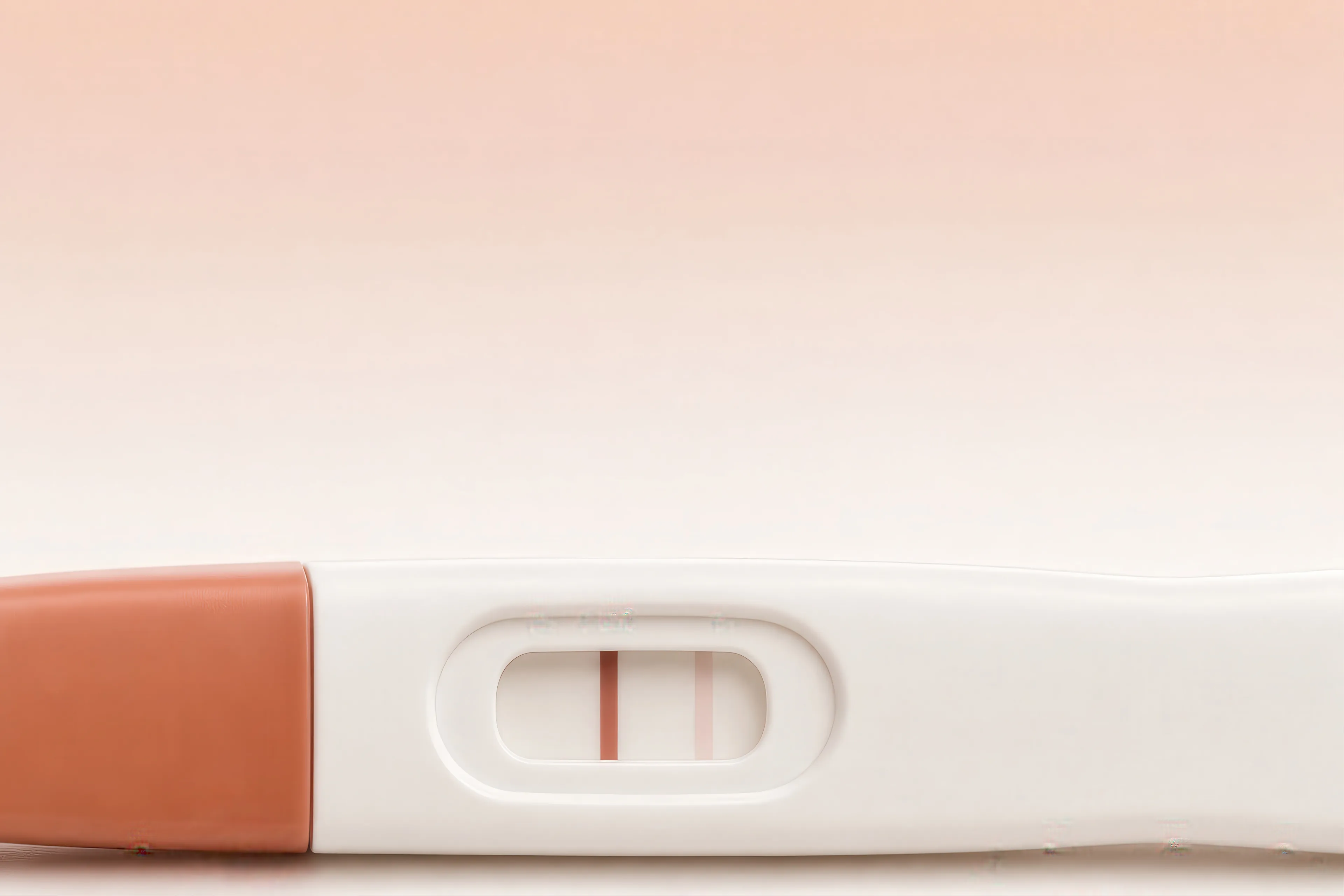
What Low or High HCG Levels May Indicate
HCG results outside the expected reference range need to be interpreted in context. A low or high result does not automatically indicate a pregnancy complication. Your doctor may recommend repeat testing or an ultrasound to understand the cause.
Low HCG Levels: Causes and Concerns
Low hCG levels can have several explanations. Sometimes, the pregnancy is simply earlier than expected because ovulation or implantation occurred later than estimated.
However, low levels or an unexpected pattern of change may also be associated with certain pregnancy complications, including:
- Early pregnancy loss: Falling hCG levels may indicate that a pregnancy is not continuing. However, a single low result cannot confirm a miscarriage.
- Ectopic pregnancy: This occurs when a fertilised egg implants outside the uterus, most commonly in a fallopian tube. HCG may rise more slowly than expected, although the pattern can vary.
- Anembryonic pregnancy: Also known as a blighted ovum, this occurs when a gestational sac develops without an embryo becoming visible. An ultrasound, rather than hCG alone, is needed for diagnosis.
If your hCG level is lower than expected, your doctor may recommend repeat blood tests and an ultrasound. If you experience severe abdominal pain, shoulder-tip pain, dizziness or fainting, seek urgent medical assessment because these symptoms may indicate an ectopic pregnancy.
High HCG Levels: What They May Mean
High hCG levels can occur for several reasons, including differences in gestational age and individual variation. Sometimes, an elevated result may warrant further investigation.
Possible explanations include:
- Multiple pregnancy: Twin or higher-order pregnancies may produce higher hCG levels, although the ranges overlap with singleton pregnancies.
- Molar pregnancy: This uncommon condition involves abnormal growth of placental tissue and can cause unusually high hCG levels.
- Gestational age differences: You may be further along in pregnancy than initially estimated, which can explain a higher result.
- Chromosomal conditions: Abnormal hCG levels can be associated with certain chromosomal conditions and may form part of prenatal screening. However, hCG alone cannot diagnose these conditions.
Rarely, elevated hCG may occur because of certain medical conditions unrelated to pregnancy. If your results are unexpectedly high, your doctor may recommend additional tests and an ultrasound to identify the cause.