logo
0

HCG Test: Beta HCG Levels, Pregnancy Detection & Price

Learn what an HCG test measures, beta HCG levels by week, pregnancy detection timing, test prices in India, accuracy, and result interpretation.

article image

Dr. Mayank

Few moments carry as much anticipation as waiting for a pregnancy test result. The hcg test is the gold standard behind that answer, whether you are using a home strip or asking your doctor for a blood test. Understanding what the test measures, what the numbers mean, and what to expect at the lab can make the whole process far less stressful.

What Is an HCG Test?

HCG stands for human chorionic gonadotropin, a hormone produced by the placenta shortly after a fertilised egg implants in the uterine lining. Levels rise rapidly in early pregnancy, which is why this hormone is such a reliable marker.

An hcg test measures the amount of this hormone in your blood or urine. There are two broad types:

  • Qualitative test: A qualitative test simply confirms whether HCG is present (positive or negative).
  • Quantitative test: A quantitative test (also called a beta hCG test) measures the exact concentration, usually reported in milli-international units per millilitre (mIU/mL).

Doctors use the quantitative version not just to confirm pregnancy, but to track whether the pregnancy is progressing normally, investigate suspected miscarriage, or detect conditions like ectopic pregnancy or gestational trophoblastic disease.

Types of HCG Tests: Blood vs Urine

Both urine and blood tests detect HCG, but they are not identical in what they can tell you.

Urine HCG test

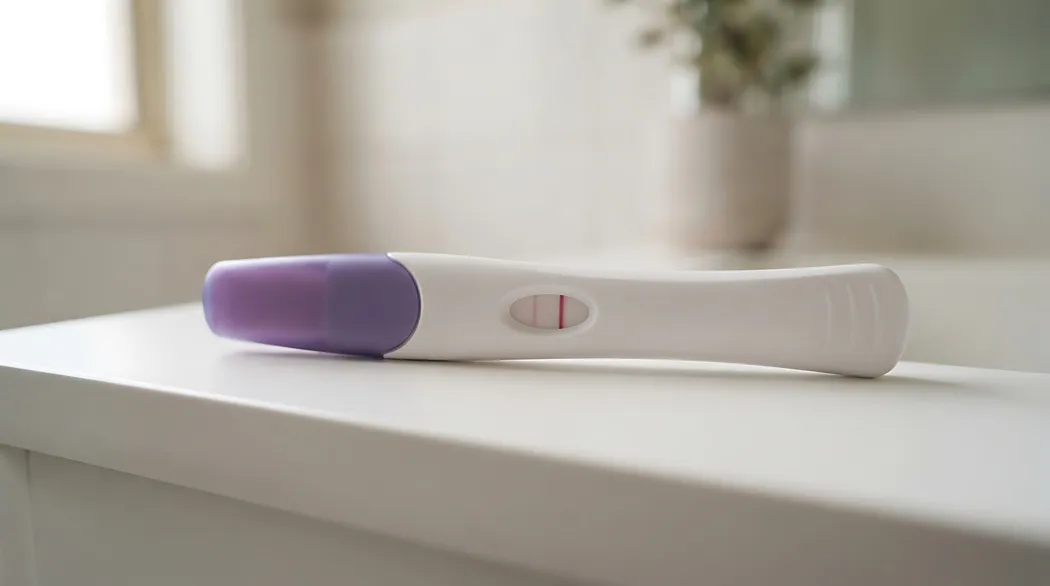
Home pregnancy strips and lab urine tests are qualitative. They give a yes or no result and are convenient for an initial check. Most reliable from the first day of a missed period onward, though sensitivity varies by brand and urine concentration (morning urine is best).

Beta HCG blood test

A blood draw sent to a laboratory can be either qualitative or quantitative. Key differences:

  • Blood tests can detect HCG at lower concentrations, so they may confirm pregnancy a few days earlier than a urine strip.
  • The quantitative hcg test provides an actual number, which your doctor can compare across serial readings to assess how the pregnancy is developing.
  • Results take a few hours to a day rather than minutes, and require a lab visit.

For most women, a home urine test is a sensible first step. If the result is positive, or if there is uncertainty, your doctor will usually order a beta hcg blood test to get more detail.

Beta HCG Levels Chart by Week of Pregnancy

HCG rises steeply in the first trimester, peaks around weeks 8 to 10, then gradually falls and plateaus for the rest of pregnancy. The ranges below are approximate; there is wide natural variation between individuals, and a single reading is rarely as useful as two readings taken 48 hours apart.

Gestational Week (from last menstrual period)Typical HCG Range (mIU/mL)
3 weeks5 to 50
4 weeks10 to 425
5 weeks182 to 7,340
6 weeks1,080 to 56,500
7 to 8 weeks7,650 to 229,000
9 to 12 weeks25,700 to 288,000
13 to 16 weeks13,300 to 254,000
17 to 24 weeks    4,060 to 165,400
25 to 40 weeks,640 to 117,000

These values are drawn from commonly published reference ranges. Your laboratory report will include its own reference intervals, which your doctor will use for interpretation. Never compare your number to an online chart alone.

How HCG Blood Tests Detect Pregnancy

The procedure is straightforward. A phlebotomist draws a small blood sample from a vein in your arm; no fasting is needed beforehand. The sample is analysed in the laboratory, and results are typically available within a few hours to one working day.

  • When to test: HCG appears in blood as early as 8 to 10 days after conception. In practical terms, a beta hcg test for pregnancy is most reliably taken on the first day of a missed period or after. Testing too early can produce a falsely low or undetectable result even in a viable pregnancy.
  • Serial testing: If the first result is ambiguous, your doctor may ask you to repeat the test 48 hours later. In a healthy early pregnancy, HCG typically doubles roughly every 48 to 72 hours. A slower rise, or a falling level, prompts further investigation.
  • Result turnaround: Most diagnostic labs return results the same day. Apollo's network of labs provides same-day or next-day reporting, and results are accessible digitally through the patient portal.

HCG Test Price in India

The hcg blood test price varies depending on the type of test and the city or laboratory.
Test TypeApproximate Price Range (INR)
Urine HCG (qualitative, lab-based)100 to 300
Blood HCG qualitative200 to 500
Quantitative beta HCG blood test300 to 900

Prices in metro cities such as Mumbai, Delhi, or Bengaluru may sit at the higher end of these ranges, while smaller cities and government facilities may offer lower rates. Home sample collection services may add a small convenience fee. Apollo Diagnostics offers competitive, transparent pricing; check for current rates and offers in your city.

High or Low HCG Levels: What They May Indicate

A single HCG number without clinical context has limited meaning. That said, certain patterns are medically significant.

Low HCG levels may suggest:

  • Very early pregnancy (testing before HCG has built up)
  • A pregnancy that is not progressing, including early miscarriage
  • Ectopic pregnancy, where the embryo implants outside the uterus and HCG may rise more slowly than expected


High HCG levels may suggest:

  • Multiple pregnancy (twins or more produce proportionally higher levels)
  • Molar pregnancy (an abnormal growth of placental tissue)
  • Certain rare tumours that secrete HCG

None of these conclusions should be drawn from a single number. A doctor will consider the level alongside the gestational age confirmed by ultrasound, symptoms, and serial readings before making any diagnosis. If your result is outside the typical range, speak with your gynaecologist promptly rather than self-interpreting.

Contraindications and Precautions

There are no medical contraindications to having an HCG blood test. It is a routine blood draw and is safe for all women, including those with existing health conditions.

However, certain medications and conditions can interfere with results and should be disclosed to your doctor:

  • Fertility treatments containing HCG: Fertility treatments containing HCG injections (used in IVF cycles) can produce artificially elevated readings.
  • Certain medications: Some anticonvulsants, antipsychotics, and diuretics have been reported in medical literature to occasionally affect results, though this is uncommon.
  • High-dose biotin supplementation: Very high biotin supplementation may interfere with immunoassay-based tests in some laboratory systems.
  • Recent miscarriage or termination: HCG can remain detectable in blood for several weeks afterwards, leading to a positive result that does not reflect a current pregnancy.

Always tell your doctor and the laboratory about any recent treatments, medications, or supplements before the test.

Conclusion

An HCG test is a reliable way to detect pregnancy, with a quantitative beta-HCG blood test providing the exact hormone level for clinical assessment when needed. HCG values vary widely by gestational age, so a single result should not be interpreted in isolation. Your doctor may recommend repeat testing and ultrasound to understand whether the pregnancy is progressing normally or to investigate an unusual result. Test prices in India vary by laboratory, location, and test type. If you receive an unexpected HCG result or have concerns about early pregnancy, consult a qualified healthcare professional for appropriate interpretation and follow-up.

FAQS

What is a good HCG level to confirm pregnancy?

Any level above 25 mIU/mL is generally considered a positive result, though most doctors look for a rising trend over serial readings rather than relying on one number. Your lab report and doctor's interpretation together provide the most reliable confirmation.

Can an HCG test be wrong?

Yes, though it is uncommon. False negatives can occur if you test too early or with dilute urine. False positives are rare but can happen with certain medications, molar pregnancy, or some medical conditions. A repeat test or blood-based quantitative hcg test usually clarifies uncertain results.

How many days after a missed period should I take an HCG test?

Testing from the first day of your missed period gives the most reliable result. For a blood-based hcg test for pregnancy, some doctors advise waiting 10 to 14 days after suspected conception, which often aligns with the missed period.

Is an HCG blood test more accurate than a urine test?

Yes. A beta hcg test done on blood can detect lower concentrations of the hormone and can quantify the exact level, making it more sensitive and informative than a home urine strip, particularly in very early pregnancy.

Does a high HCG level indicate twins?

It can. Twin or multiple pregnancies often produce higher HCG levels than singleton pregnancies at the same gestational age, but levels overlap significantly. An ultrasound scan remains the only reliable way to confirm multiple pregnancies.

Apollo 247 Floating Action Button