logo
0

Homemade Baby Cereal Recipes: Easy, Healthy Guide

Learn how to make a nutritious baby cereal recipe at home. Discover easy, healthy baby cereal homemade mixes and baby porridge for 6-month-olds.

article image

Dr.Nallapu Siri

Starting solid foods is an exciting milestone in your baby’s development. Around six months of age, breast milk or formula alone is no longer sufficient to meet a baby's rapidly expanding nutritional needs, although it remains their primary source of nutrition. According to the World Health Organization (WHO), this is the ideal time to introduce safe, nutrient-rich complementary foods.

When transitioning your little one to solids, finding the perfect baby cereal recipe is often a top priority. Cereal is incredibly gentle on developing digestive systems, easy to swallow and acts as a wonderful blank canvas for a variety of nutrients.

While store-bought baby foods are highly convenient, making your own at home allows you to take complete control over what goes into your baby’s bowl. In this comprehensive guide, we will explore the wonderful benefits of preparing a healthy homemade baby cereal meal, look at the best grains to use, walk you through the preparation process and share simple, delicious recipes your baby will love.

Why Choose Homemade Baby Cereal?

Many parents wonder if making baby food from scratch is worth the extra effort. Opting for a homemade baby cereal provides several distinct health and lifestyle advantages:

  • Maximum Freshness and Nutrient Retention: Commercial baby cereals are often processed at high temperatures to extend shelf life, which can destroy natural vitamins and minerals. When you make homemade cereal for your baby, you preserve the intact nutrients, dietary fibre and healthy fats found naturally in whole grains.
  • Zero Added Sugars or Preservatives: Packaged baby foods can sometimes contain hidden preservatives, stabilisers or added sugars. By taking charge of the process, you guarantee that your baby gets 100% pure, clean food.
  • Cost-Effective Nutrition: Buying organic whole grains in bulk and processing them yourself is significantly cheaper than buying individual boxes of commercial baby cereal.
  • Customisable Textures: Every baby is unique. Making your own cereal allows you to easily adjust the texture, from a silky-smooth purée for beginners to a slightly coarser mash as your infant develops their chewing skills.

Addressing the Iron Factor: Natural Fortification

One of the main reasons paediatricians recommend commercial baby cereals is because they are fortified with iron. The Centers for Disease Control and Prevention (CDC) explains that infants are born with natural iron stores that begin to deplete by around six months of age. Because iron is absolutely critical for healthy brain development and red blood cell production, ensuring your baby gets enough iron is paramount.

Fortunately, you can easily make a homemade iron-fortified baby cereal by selecting naturally iron-rich grains and ingredients.

How to Naturally Boost Iron in Baby Porridge

  • Choose Iron-Rich Grains: Opt for grains like finger millet (ragi), amaranth, quinoa and whole-grain oats.
  • Pair with Vitamin C: Vitamin C significantly enhances non-haem (plant-based) iron absorption. Stir in a spoonful of unsweetened apple purée, pear purée or a squeeze of baby-safe fruit juice once your baby is accustomed to fruits.
  • Mix with Breast Milk or Formula: Breast milk and iron-fortified formula contain highly bioavailable nutrients that help your baby absorb the iron present in the grains.
  • Cook in Cast Iron: Preparing your baby’s porridge in a well-seasoned cast-iron pan can naturally transfer small, safe amounts of dietary iron to the food.

Selecting the Best Grains for Baby Porridge

Before diving into cooking, it is important to choose the right grains. When preparing a basic porridge for 6 month baby, look for single grains that are easy on the stomach. As your baby grows and tolerates these individual ingredients, you can start blending them together.

Grain TypeKey Nutritional Benefits
Brown RiceHighly hypoallergenic, gentle on digestion, classic starter
Whole OatsHigh in soluble fibre, avoids constipation, rich in B vitamins
Finger MilletExceptionally high in calcium and natural plant-based iron
BarleyRich in dietary fibre, selenium and essential minerals
QuinoaComplete protein containing all nine essential amino acids

Historically, white rice cereal was the standard first food. However, modern paediatric guidance, including resources from the Cleveland Clinic, recommends incorporating a wide variety of grains. Introducing grains like oats, barley and millet reduces potential exposure to trace environmental arsenic occasionally found in rice crops, while providing a much broader spectrum of nutrients.

Grinding Baby Cereal Powder at Home: A Step-by-Step Guide

You do not need to cook raw grains from scratch every single morning. The easiest, most efficient method is grinding baby cereal powder at home ahead of time. This yields a convenient, shelf-stable homemade baby food powder that cooks in under five minutes.

Here is how to make a nutritious baby cereal powder homemade batch:

Step 1: Clean and Wash the Grains

Thoroughly rinse your chosen whole grains, such as organic brown rice, whole barley or raw ragi, under clean running water. This removes any surface dust, debris or starches.

Step 2: Dry Completely

Spread the washed grains in a single, thin layer over a clean, dry cotton cloth. Let them air-dry completely in a well-ventilated room or under direct sunlight. Ensure there is absolutely no moisture left, as damp grains will cause your powder to spoil.

Step 3: Dry Roast for Digestibility

Transfer the completely dry grains to a heavy-bottomed pan. Roast them dry on low-to-medium heat for about 5 to 8 minutes. Stir continuously. You will know they are ready when they release a pleasant, toasted aroma and feel warm to the touch. Roasting breaks down complex starches, making the grains much easier for your baby's tiny tummy to digest, while also extending the shelf life of the powder.

Step 4: Grind to a Fine Powder

Let the roasted grains cool completely. Transfer them to a clean, dry, high-powered blender or food processor. Grind until you achieve a fine, velvety powder. For a young 6-month-old, pass the ground powder through a fine sieve to remove any remaining coarse husks or grains.

Step 5: Secure Storage

Transfer your dry homemade baby cereal mix into a clean, sterilised, airtight glass container. Keep it stored in a cool, dark pantry for up to one month, or place it in the refrigerator or freezer to keep it fresh for up to three months.

3 Wholesome Homemade Baby Cereal Recipes

Having your pre-made powders on hand makes meal preparation incredibly simple. Here are three highly nutritious baby cereal recipes that cater to different stages of your baby’s culinary journey.

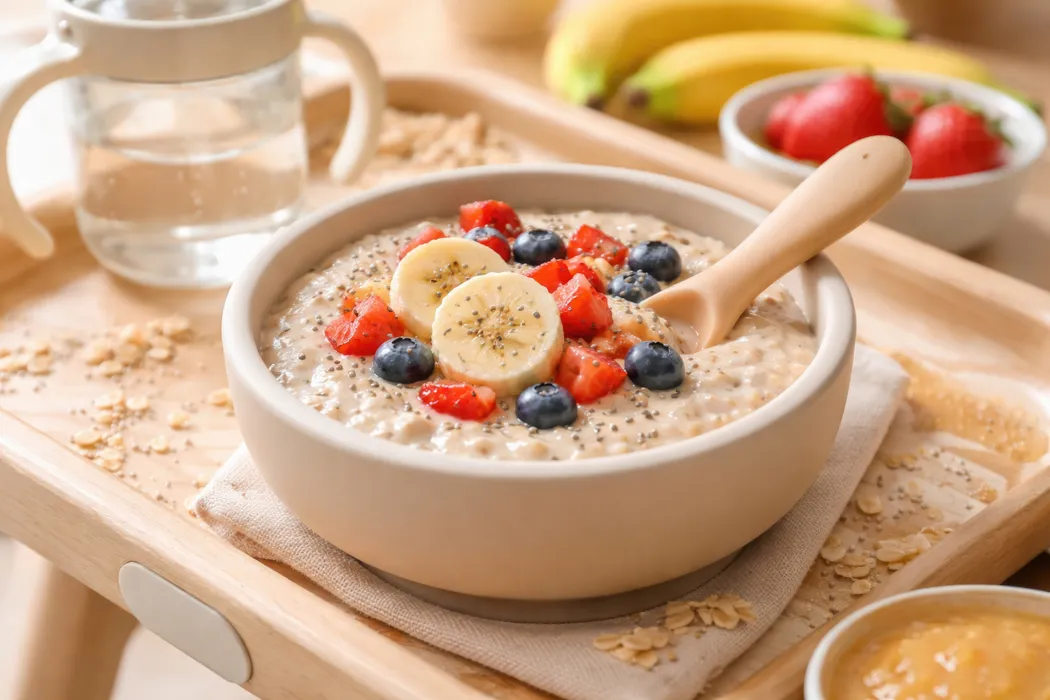
Recipe 1: The Ultimate Creamy Oats Baby Cereal (A Perfect First Food)

This gentle baby cereal recipe is highly recommended for babies taking their very first bites of solid foods. Oatmeal is packed with fibre, which helps keep your baby's bowel movements regular.

Prep time: 2 minutes
Cook time: 5 minutes
Yield: 1 serving

Ingredients:

  • 2 tablespoons of oat-based baby cereal homemade powder
  • 1 cup of filtered water
  • 2 to 3 tablespoons of breast milk or prepared infant formula (optional, for creaminess)

Instructions:

  • In a small, clean saucepan, combine the dry oat powder and cold water. Whisk vigorously before turning on the heat to ensure there are no lumps.
  • Place the saucepan over medium heat and bring the mixture to a gentle boil, stirring constantly.
  • Reduce the heat to low and let it simmer for 5 minutes. Continue stirring to prevent the porridge from sticking to the bottom of the pan.
  • Once the mixture reaches a smooth, pudding-like consistency, remove it from the heat.
  • Allow the homemade baby cereal porridge to cool down to a lukewarm temperature. Stir in breast milk or formula to adjust the consistency and provide a familiar flavour that comforts your baby. Serve immediately.

Recipe 2: Nutritious Multigrain Baby Porridge with Finger Millet and Rice

Once your baby has successfully tried rice, oats and ragi individually, you can combine them to create a robust, nutrient-dense multigrain baby porridge homemade blend. This recipe offers a perfect balance of carbohydrates, proteins, calcium and iron.

Prep time: 2 minutes
Cook time: 8 minutes
Yield: 1 serving

Ingredients:

  • 1 tablespoon of brown rice powder
  • 1 tablespoon of ragi (finger millet) powder
  • 1 cup of filtered water
  • A pinch of cardamom powder (optional, for babies 8 months and older)
  • 1 teaspoon of baby porridge with nuts powder (Only use this if your baby has already been safely introduced to tree nuts and peanuts individually with no allergic reaction).

Instructions:

  • In a small pot, whisk the brown rice powder and ragi powder into the cold water until completely smooth.
  • Turn the heat to medium-low and bring the mixture to a slow simmer.
  • Cook for 8 minutes, stirring continuously. Ragi requires thorough cooking to ensure it is fully digestible.
  • As the porridge thickens, stir in a pinch of cardamom for a pleasant aroma, along with the nut powder to add healthy fats and proteins.
  • Once cooked, turn off the heat and let the porridge cool. Ensure the consistency is soft and easy for your baby to swallow before serving.

Recipe 3: Travel-Friendly Instant Oats & Banana Porridge

If you are travelling or dining out, you don't have to turn to store-bought options. This is one of the most reliable instant baby food recipes for travel because it requires absolutely no cooking on-site.

Prep time: 3 minutes
Yield: 1 serving

Ingredients:

  • 3 tablespoons of pre-roasted, finely ground quick oats or parboiled rice powder
  • Hot water (safely stored in a clean thermos)
  • 1/4 of a ripe banana or avocado

Instructions:

  • Measure your dry, pre-roasted baby cereal powder homemade mix into a clean, travel-safe baby bowl with a lid.
  • When it is time for your baby to eat, slowly pour a small amount of hot water from your thermos into the dry powder. Whisk or stir vigorously with a clean baby spoon.
  • Cover the bowl with the lid and let it sit for 3 minutes. The pre-roasted grains will absorb the water, swelling into a soft, cooked texture.
  • Uncover the bowl and check the consistency. Mash in the ripe banana or avocado using your spoon. This adds natural sweetness, potassium and essential healthy fats, creating an instant, highly nutritious meal anywhere you go.

Crucial Food Safety and Storage Tips

Infants have delicate immune systems, making food safety highly important. The Mayo Clinic and other reputable medical institutions recommend following these vital rules when preparing homemade complementary foods:

  • Maintain Pristine Hygiene: Always wash your hands thoroughly with soap and warm water before handling ingredients. Clean and sterilise all blender parts, cooking pans, storage jars and baby utensils before use.
  • Check the Temperature: Always test a small drop of cooked porridge on the inside of your wrist before feeding your child. It should feel lukewarm, never hot.
  • Strictly Avoid Honey: Do not add honey to any baby food or cereal for infants under 12 months old. Honey can harbour spores of Clostridium botulinum, which can lead to infant botulism, a rare but highly serious illness.
  • Discard Leftovers Safely: If your baby does not finish their bowl of cereal, discard the leftovers. Saliva from your baby’s mouth introduces bacteria into the bowl, which can quickly multiply in the warm food.
  • Keep Dry Mixes Airtight: Store your homemade baby cereal mix away from moisture, heat and direct sunlight. To maximise freshness, store larger batches in the freezer.

Conclusion

Homemade baby cereal can be a simple, nutritious, and wholesome addition to your baby’s diet when prepared with age-appropriate ingredients and textures. By using fresh grains, fruits, vegetables, and other suitable foods, you can create a variety of cereals that support your baby’s growing nutritional needs. Start with simple recipes, introduce new ingredients gradually, and adjust the texture as your baby develops. With a little preparation and variety, homemade baby cereals can make the transition to solid foods enjoyable, healthy, and nourishing.

FAQS

When can I start giving my baby homemade cereal?

Most paediatric guidelines, including those from the WHO and the American Academy of Pediatrics (AAP), recommend introducing solid foods around six months of age when your baby shows signs of developmental readiness, such as sitting with minimal support and showing interest in your food.

Can I use cow's milk to cook baby cereal?

No. Whole cow's milk should not be introduced as a primary drink or used in large quantities until your baby reaches 12 months of age, as their kidneys and digestive tract cannot process its proteins safely. However, you can use breast milk, infant formula or water to cook and thin out the cereal.

How do I prevent lumps in my homemade baby porridge?

Lumps form when dry cereal powder is added directly to hot liquid. To keep your porridge smooth, always whisk your dry cereal powder into cold water or cold liquid first until completely dissolved, and then turn on the heat.

How long does homemade baby cereal powder last?

If stored in an airtight glass container in a cool, dark, dry pantry, the toasted dry powder will remain fresh for up to 4 weeks. If stored in the freezer, it can safely last for up to 3 to 6 months.

What should I do if my baby rejects the homemade cereal?

It is completely normal for babies to reject new foods at first. The flavour and texture of solids are entirely new sensations. Be patient, avoid forcing them to eat and try offering a small spoonful when they are happy and not overly tired. It can sometimes take up to 10 to 15 exposures for an infant to accept a new flavour.

Apollo 247 Floating Action Button