logo
0

Homemade Baby Food Ideas with Safety Guidelines

Simple homemade baby food ideas with hygiene, storage and allergy safety guidelines. Doctor-reviewed tips for parents starting solids.

article image

Dr.Kamran

Starting your baby on solid foods is one of the most exciting milestones of early parenthood, and homemade baby food gives you complete control over what goes into every bite. Knowing which foods to offer, when to introduce them, and how to prepare them safely makes the process much less daunting. This guide covers simple homemade baby food recipes, age-by-age ideas, and the baby food safety tips every parent needs before picking up a blender.

When Can You Start Homemade Baby Food?

Most pediatric guidelines recommend introducing solid foods at around 6 months, once breast milk or formula alone no longer meets a growing baby's nutritional needs. Starting before 4 months carries real risks, including choking, digestive upset, and reduced breast milk intake.

Watch for these signs of readiness before offering solids:

  • The baby can hold their head steady and sit upright with minimal support.
  • They show clear interest in food, leaning forward or watching others eat.
  • The tongue-thrust reflex, which pushes food out automatically, has reduced.
  • Birth weight has roughly doubled.

If you are unsure whether your baby is ready, a quick check-in with your pediatrician is the safest first step. You may also find it helpful to read up on newborn care essentials for new parents as you prepare for this stage.

Simple Homemade Baby Food Ideas by Age

6 to 8 Months: First Foods for Babies

At this stage, textures should be smooth and thin. The goal is introducing taste and the swallowing action, not nutrition volume, since breast milk or formula remains the primary source.

Good first foods for babies at this age include:

  • Rice or ragi porridge cooked with water and thinned to a runny consistency.
  • Pureed banana or ripe papaya, mashed until completely smooth.
  • Boiled and pureed sweet potato or carrot, naturally sweet and easy to digest.
  • Thin moong dal puree, a classic Indian first food providing protein and iron.
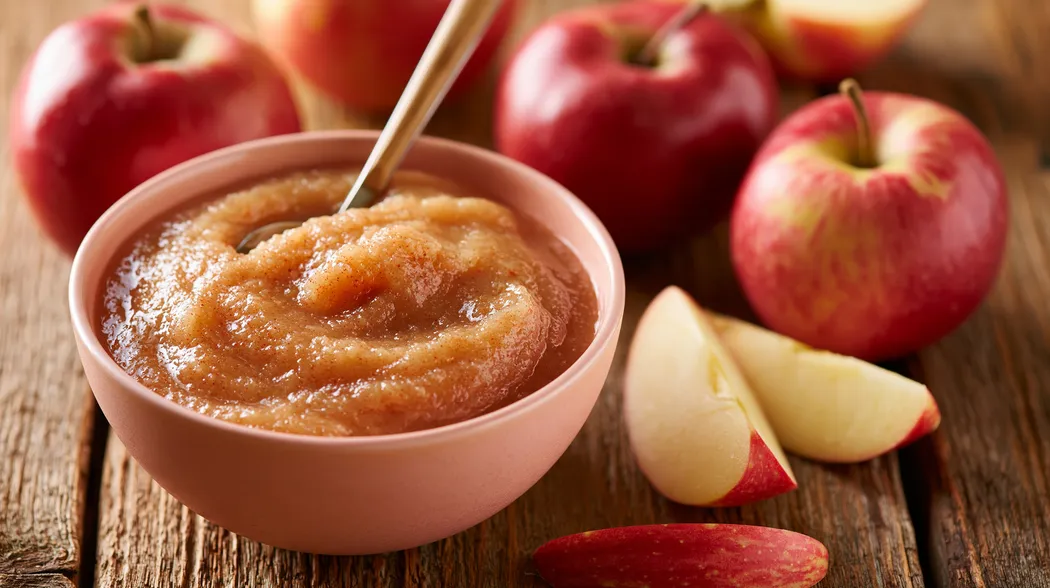
  • Apple or pear puree, steamed and blended without skin.

Keep portions small, roughly 1 to 2 teaspoons to start. Offer just one new food for 3 consecutive days before moving on.

9 to 12 Months: More Texture and Variety

Babies this age can manage mashed and soft-chopped foods. Practical homemade baby food recipes for this window include:

  • Soft khichdi made with rice and moong dal, mashed with a little ghee for added calories.
  • Mashed idli or soft dosa with thin sambar, nutritious and easy on the stomach.
  • Mashed avocado or well-ripened mango.
  • Soft-cooked vegetables such as pumpkin, bottle gourd, or beetroot.
  • Scrambled egg yolk, then whole egg after confirming no reaction.

Homemade purees for babies at this stage can be slightly thicker and lumpier to encourage chewing practice.

Hygiene and Preparation Safety Guidelines

Baby food hygiene guidelines are not optional. A baby's immune system is still developing, making contaminated food a genuine health risk. Following careful baby food safety tips at every step protects your child from preventable illness.

Follow these steps every time you prepare food:

  • Wash hands with soap and water for at least 20 seconds before handling food or utensils.
  • Sterilise bowls, spoons, and blenders by boiling for at least 5 minutes or using a steam steriliser.
  • Use clean, filtered, and boiled water for cooking and thinning purees throughout the first year.
  • Peel and cook fruits and vegetables rather than offering them raw in the early months.

Three things to avoid entirely in the first year: added salt, added sugar, and honey. Salt places strain on immature kidneys. Honey can carry Clostridium botulinum spores that a baby's gut cannot neutralise, creating a risk of infant botulism, a serious and potentially life-threatening condition.

Storage and Reheating Safety

Batch-cooking is a practical approach to managing homemade baby food, but safe storage is essential.

  • Fresh purees can be refrigerated in airtight, sterilised containers for up to 48 hours.
  • Frozen portions stored in ice cube trays, then transferred to sealed bags, are generally safe for up to one month.
  • Always label containers with the preparation date.
  • Reheat food only once. Repeated heating and cooling allows
  • bacteria to multiply. If your baby does not finish a reheated portion, discard it.
  • Throw away any food that came into contact with the feeding spoon after the baby has eaten from it, since saliva introduces bacteria that multiply quickly in leftovers.

Allergy Introduction and Warning Signs

The one food at a time rule is the foundation of safe allergy introduction. Offer a single new ingredient for 3 full days before adding anything else. This window lets you identify which food caused a reaction.

Common allergenic foods include eggs, peanuts, tree nuts, fish, wheat, and dairy. Current evidence suggests gradual early introduction, rather than delay, may reduce allergy risk. If there is a family history of allergies, discuss the order of introduction with your doctor before starting.

Watch for these warning signs after any new food:

  • Hives, redness, or a rash around the mouth or on the body.
  • Swelling of the lips, tongue, or face.
  • Vomiting or sudden diarrhoea shortly after eating.
  • Wheezing, coughing, or difficulty breathing.
  • Unusual irritability or limpness.

Stop the food immediately if any of these appear and seek medical attention. Report adverse events to your healthcare provider or the relevant regulatory authority.

Foods to Avoid and Contraindications

Certain foods should not be given to babies under 12 months under any circumstances:

  • Honey, for the botulism risk described above.
  • Cow's milk as a main drink. Small amounts in cooking are generally acceptable, but cow's milk should not replace breast milk or
  • formula before 12 months. It lacks adequate iron and its protein load is hard on immature kidneys.
  • Whole nuts, large chunks of raw vegetables, whole grapes, and hard pieces of fruit are choking hazards at any age in the first year.
  • Added salt and added sugar in any form, including jaggery in large amounts, should be avoided.
  • Caffeinated drinks, unpasteurised products, and processed foods with preservatives have no place in infant feeding.

Parents sometimes ask whether to start homemade baby food recipes that include family spices. Mild spices like turmeric or cumin in small quantities are generally tolerated, but pungent or chilli-heavy preparations are best saved for after the first year.

When to Consult a Doctor?

Reach out to your pediatrician promptly if you notice:

  • Consistent refusal of all solid foods beyond 7 to 8 months,
  • combined with poor weight gain.
  • Any suspected allergic reaction as described above.
  • Persistent vomiting, diarrhoea, blood in stools, or visible discomfort after feeds.
  • Concerns about growth or development milestones.

Conclusion

Homemade baby food can be a simple and nutritious way to introduce your baby to a variety of flavours, textures, and essential nutrients. Start solids at the appropriate age, introduce foods gradually, and progress from smooth purees to mashed and soft finger foods as your baby develops. Good hygiene, safe storage, careful allergy introduction, and avoiding choking hazards, honey, added salt, and added sugar are essential. Every baby develops differently, so speak with your paediatrician if you have concerns about feeding, allergies, growth, or your baby's readiness for solids.

FAQS

How much homemade baby food should I feed my baby daily?

Start with 1 to 2 teaspoons once a day at 6 months and gradually increase to 2 to 3 small meals by 9 to 12 months. Breast milk or formula remains the main nutrition source throughout the first year.

Can I add salt or sugar to homemade baby food?

No. Salt stresses immature kidneys and sugar encourages a preference for sweetness that can affect eating habits long-term. Let the natural flavours of fruits, vegetables, and grains do the work.

Is it safe to freeze homemade baby food?

Yes, provided portions are frozen promptly in sterilised, airtight containers and used within one month. Thaw in the refrigerator overnight or in warm water, and reheat only once before discarding any leftovers.

What utensils are safe for making baby food at home?

Use food-grade stainless steel, BPA-free plastic, or glass bowls and spoons. Sterilise them before each use, especially in the first 6 months, by boiling or steam sterilising.

How do I know if my baby is allergic to a new food?

Signs typically appear within minutes to a couple of hours and include rashes, swelling, vomiting, or breathing changes. Following the 3-day introduction rule for each new food makes it much easier to identify the trigger quickly.

Apollo 247 Floating Action Button