logo
0

How to Change a Newborn Diaper

Learn how to change a newborn diaper step by step, including what you need, safe cleaning techniques, proper positioning and tips to prevent nappy rash.

article image

Dr.Mayank

Knowing how to change a newborn diaper correctly matters far more than new parents expect. A poor technique can cause skin irritation, urinary infections, or a rash that compounds an already exhausting early-parenthood experience. This guide covers what to do, what to avoid, the best way to handle night changes, and when to involve your doctor.

<Explore Diapers>

What Do You Need Before You Start?

Never lift your baby onto the changing mat without gathering everything first. A newborn will not wait, and stepping away even for a second is a fall risk.

Keep these within arm's reach every time:

  • A clean, properly sized diaper
  • Fragrance-free baby wipes, warm if possible, especially in winter
  • A thin layer of zinc-oxide barrier cream or petroleum jelly
  • A waterproof changing mat or a folded towel on a firm, flat surface
  • A small bag for the soiled diaper
  • A spare set of clothes in case of a blowout

A consistent changing station builds muscle memory fast. Once you are comfortable, the whole process takes under two minutes.

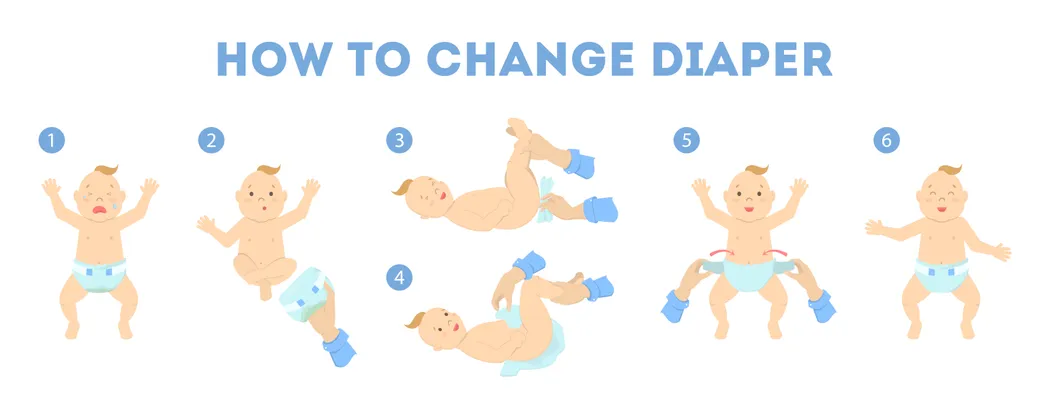
Step-by-Step: How to Change a Newborn's Diaper

These newborn diaper-changing steps work for cloth or disposables.

  • Wash your hands before you begin.
  • Lay your baby on their back on the mat. Keep one hand on the baby at all times.
  • Unfasten the soiled diaper but do not remove it yet. Fold the front half down.
  • Use the clean inner surface of the old diaper to gently wipe away the bulk of any stool before reaching for wipes.
  • Lift your baby's bottom by gently holding both ankles and raising the legs just enough to slide the dirty diaper out.
  • To clean your baby during a diaper change, wipe the skin thoroughly. For girls, always wipe front to back to keep bacteria away from the vaginal area. For boys, lay a spare wipe over the penis before fully opening the diaper. This simple step prevents an unexpected spray mid-change.
  • Clean all skin folds in the thighs and groin. Pat gently rather than scrubbing.
  • If the umbilical cord stump is still present, keep it dry and position the diaper waistband below it. For more detail, read the guide on how to care for your newborn's belly button.
  • Apply a thin layer of barrier cream to dry skin before putting the new diaper on.
  • Slide the clean diaper under your baby, fasten the tabs snugly but not tightly, and wash your hands again.

Best Way to Change a Diaper at Night

Nighttime changes deserve their own approach. The goal is to keep your baby as calm and drowsy as possible so they settle back to sleep quickly.

Dim the lights rather than switching on bright overheads. Keep wipes close to a warm surface or use a wipe warmer so the shock of cold does not fully wake your baby. Have everything laid out before bedtime so you are not fumbling in the dark.

If the diaper is only wet and your baby is sleeping soundly, it is generally safe to wait until they wake naturally for a feed. If there is stool, change it promptly regardless of the hour, as stool is far more irritating to newborn skin than urine. Apply barrier cream generously at night since the diaper will be on longer between changes.

How Often Should You Change a Newborn's Diaper?

Newborns urinate frequently, and their digestive systems are active around the clock. Most newborns need 8 to 12 diaper changes every 24 hours in the first few weeks, though this varies by individual baby.

Do not go by a fixed schedule. Check after every feed and before every sleep. Leaving a wet diaper on too long softens the skin and creates the perfect environment for irritation. For soiled diapers, change as soon as you notice, as stool is much more irritating than urine.

Common Mistakes to Avoid

These newborn diaper changing mistakes come up repeatedly in pediatric consultations.

  • Wiping back to front on baby girls. This is the most critical direction error and can introduce bacteria to the urethra and vagina.
  • Fastening the diaper too tightly. You should be able to slide two fingers under the waistband comfortably. Too snug causes rubbing and can restrict the abdomen.
  • Skipping barrier cream on healthy skin. Barrier cream is not just for treating rashes; it protects clean skin before the next wet diaper arrives.
  • Delaying a change because the baby seems settled. Even a quiet, sleeping baby needs a prompt change if they are soiled.
  • Using scented wipes or soap. Fragrances and alcohol strip the natural skin barrier and trigger irritation quickly in newborns.
  • Leaving the baby unattended on the changing mat, even briefly. Falls from changing surfaces happen in seconds.

Preventing and Managing Diaper Rash

Diaper rash prevention in newborns comes down to a few consistent habits: frequent changes, gentle cleaning, and a good barrier cream at every single change, not only when redness appears.

After wiping, allow 30 to 60 seconds of air time before fastening the new diaper. This brief drying period reduces moisture under the diaper significantly. Zinc-oxide barrier creams create a physical layer between damp skin and diaper material.

If mild redness does appear, increase air time and apply cream more generously. Most mild rashes respond well within a few days of consistent care. If the skin looks broken or inflamed, check basic wound care tips if skin gets irritated and follow up with your doctor.

When to Consult a Doctor?

Some signs go beyond what home care can manage. See your paediatrician if:

  • The rash has not improved after three to four days of consistent barrier cream use and frequent changes
  • You notice blisters, open sores, or bleeding skin
  • There is a bright red rash with sharply defined edges, which can indicate a fungal infection requiring a prescription antifungal
  • Your baby develops a fever alongside the rash
  • There is unusual discharge, swelling, or a foul smell from the diaper area

Trust your instincts. A call to your doctor is always the right move if something feels off.

Who Should Not Delay a Diaper Change?

There is no situation in which it is safe to leave a soiled newborn diaper in place for convenience. Newborns with very sensitive skin, a history of skin conditions, or any sign of a fungal infection need especially prompt changes and consistent barrier cream use. If you are unsure which cream or product is appropriate for your baby's skin type or health condition, speak with a pharmacist or paediatrician before using any new product.

Report adverse events to your healthcare provider or the relevant regulatory authority.

Conclusion

Changing a newborn's diaper becomes easier with practice and a consistent routine. Keep all supplies within reach, place your baby on a safe, flat changing surface and never leave the baby unattended during a nappy change. Gently clean the nappy area, wipe from front to back, allow the skin to dry and fit a clean diaper comfortably without making it too tight. Change the diaper promptly after stools and whenever it is wet to help protect delicate skin and reduce the risk of nappy rash. If your baby develops persistent redness, sores or signs of infection, seek advice from a paediatrician.

FAQS

How many times a day should a newborn's diaper be changed?

Most newborns need 8 to 12 changes every 24 hours, though individual babies vary. Check after each feed and change whenever the diaper is wet or soiled rather than following a fixed clock.

Should you wake a sleeping baby to change their diaper?

If the diaper is only wet, it is generally fine to let a sleeping newborn rest until they wake naturally. If there is stool, wake and change them promptly to protect the skin.

What is the correct way to wipe a baby girl versus a baby boy?

For girls, always wipe from front to back to prevent bacteria from reaching the urethra or vagina. For boys, wipe around the penis and scrotum thoroughly, and cover the penis at the start of the change to avoid spray.

Is it normal for a newborn to cry during diaper changes?

Yes, many newborns dislike the sensation of being undressed or the cold air on their skin. Keeping the room warm, using warm wipes, and working quickly usually reduces distress.

What should I do if my newborn has a diaper rash?

Increase change frequency, apply a zinc-oxide barrier cream at every change, and allow some air-drying time before fastening the new diaper. If the rash does not improve within a few days or looks severe, contact your paediatrician.

Apollo 247 Floating Action Button