logo
0

How to Check Pregnancy at Home Naturally

Learn how to check pregnancy at home, recognise early pregnancy signs, understand why DIY pregnancy tests do not work and use a home pregnancy test correctly.

article image

Dr. Vasantha Sree

If you are wondering whether you could be pregnant, you may notice changes such as a missed period, nausea, tiredness or breast tenderness. These signs can occur in early pregnancy, but they can also have other causes and cannot confirm pregnancy on their own.

This guide explains which early pregnancy signs you can notice at home, why traditional methods such as DIY salt or toothpaste tests are unreliable and how to use a home pregnancy test correctly for a dependable result.

What Early Signs of Pregnancy Can You Notice at Home?

Early pregnancy symptoms vary from person to person. Some women notice changes before their missed period, while others have few or no symptoms initially.

Common early signs include:

  • A missed period: This is one of the most common early signs, particularly if your menstrual cycles are usually regular.
  • Nausea or vomiting: Pregnancy-related nausea can occur at any time of day and often begins during the early weeks.
  • Tiredness: Hormonal changes can cause noticeable fatigue.
  • Breast changes: Your breasts may feel tender, swollen or heavier, and the nipples or areolae may become more sensitive.
  • Frequent urination: You may need to urinate more often than usual.
  • Mild cramping: Some women experience mild lower abdominal or pelvic cramping during early pregnancy.
  • Changes in taste or smell: You may notice a metallic taste, increased sensitivity to smells, food aversions or cravings.
  • Mood changes: Hormonal changes can affect your mood.

These symptoms are not specific to pregnancy and can occur with premenstrual changes, stress or other health conditions. A pregnancy test is the most practical way to check for pregnancy at home.

Do DIY or Traditional Pregnancy Tests Work?

You may have heard of using salt, sugar, toothpaste or other household substances to test for pregnancy. These methods involve mixing urine with a household ingredient and interpreting changes such as foaming, clumping or colour changes.

These methods are not reliable and should not be used to confirm pregnancy. There is no established scientific basis for using salt, sugar, toothpaste or similar household substances to detect hCG in urine.

Pregnancy tests work by detecting human chorionic gonadotrophin (hCG), a hormone produced during pregnancy. Household substances do not provide a validated way of detecting this hormone.

Relying on an unvalidated method can give false reassurance or unnecessary concern. If you think you may be pregnant, use a properly designed home pregnancy test or arrange testing with a healthcare professional.

How Do Home Pregnancy Test Kits Work?

Home pregnancy tests detect hCG in urine. After implantation, hCG levels rise during early pregnancy and can usually be detected by a urine test around the time of a missed period.

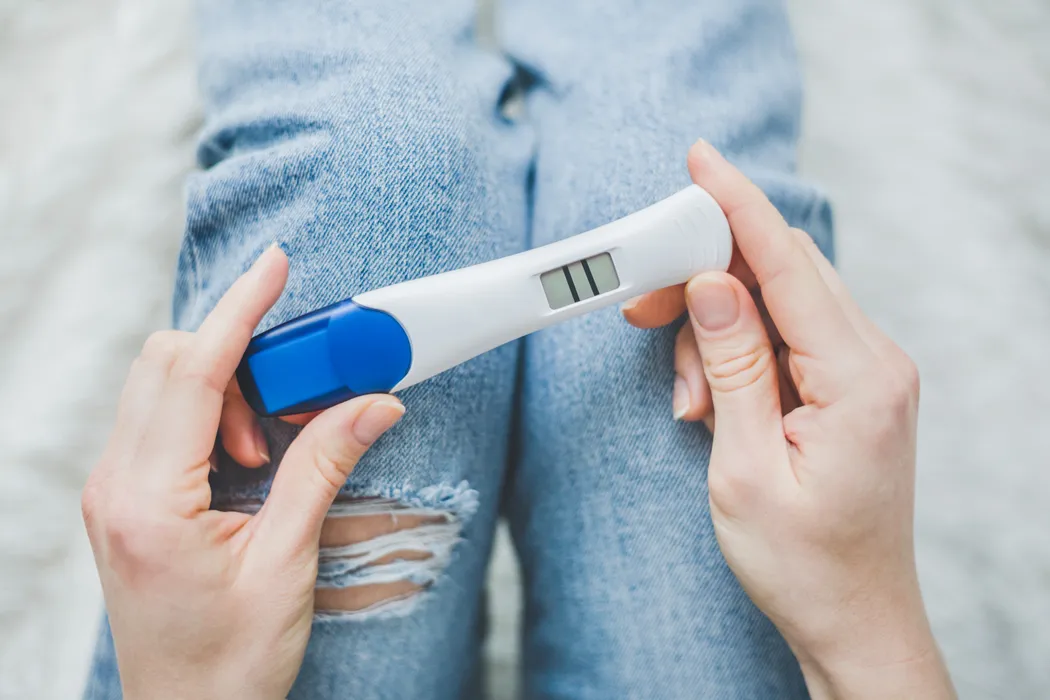
Most home pregnancy tests use antibodies that react with hCG. Depending on the type of test, the result may appear as lines, a plus or minus symbol, or a digital result.

A line-based test usually has:

  • Control line: Shows that the test has worked correctly.
  • Test line: Appears when hCG is detected at or above the test's detection threshold.
  • A positive result generally means that hCG has been detected and pregnancy is likely.
  • A negative result means that hCG was not detected at the level measured by the test. If you test too early, however, hCG may not yet be high enough to produce a positive result.

What Can Affect the Accuracy of a Home Pregnancy Test?

Home pregnancy tests are generally reliable when used correctly, but several factors can affect the result:

  • Testing too early
  • Using very diluted urine
  • Not following the test instructions correctly
  • Reading the result outside the specified time window
  • Using an expired or damaged test
  • Incorrectly storing the test

For the most reliable result, check the expiry date, follow the instructions carefully and read the result within the time stated by the manufacturer.

How Do You Use a Home Pregnancy Test Correctly?

Following the instructions supplied with your particular test is important because the procedure and reading time can vary between brands.

  • Check the expiry date. Do not use an expired or damaged test.
  • Read the instructions. Check how the urine sample should be collected and how long you need to wait.
  • Use the recommended urine sample. Some tests can be used directly in the urine stream, while others require urine to be collected in a clean, dry container.
  • Follow the specified testing procedure. Use the required number of drops or hold the test in the urine stream for the stated duration.
  • Wait for the specified time. Use a timer if necessary rather than estimating the time.
  • Read the result within the stated window. Do not interpret lines that appear after the recommended reading time.
  • Repeat the test if necessary. If the result is negative but your period does not start, repeat the test after a few days.


When Is the Best Time to Take a Pregnancy Test?

Testing from the first day of a missed period generally provides a more reliable result than testing earlier. If you are unsure when your period is due, follow the timing guidance provided with your test.

First-morning urine may be useful when testing early because it is usually more concentrated. If you test later in the day, avoid drinking excessive amounts of fluid immediately beforehand, as this can dilute your urine.

What Should You Do After a Home Pregnancy Test?

A positive home pregnancy test usually means that hCG has been detected and pregnancy is likely. Arrange an appointment with your doctor or obstetrician to begin antenatal care.

Your healthcare professional may review your medical history, medicines and supplements, calculate the expected stage of pregnancy and advise you about folic acid and other aspects of pregnancy care. Further blood tests or an ultrasound may be recommended depending on your circumstances.

If the test is negative but your period does not arrive, repeat the test after a few days. If you continue to get negative results and your period remains absent, speak with your doctor.

A negative test should not be used to explain away concerning symptoms. Seek medical attention if you develop significant pelvic or abdominal pain, heavy bleeding, fainting or severe vomiting.

Contraindications and Precautions

Certain situations can make a home pregnancy test result more difficult to interpret.

  • Fertility treatment containing hCG: Medicines containing hCG can cause a positive pregnancy test even when the result is related to the treatment rather than a new pregnancy. Ask your fertility specialist when to test.
  • Recent pregnancy: hCG can remain detectable for some time after a miscarriage, abortion or delivery.
  • Very dilute urine: Drinking excessive amounts of fluid before testing can reduce the concentration of hCG in urine and may contribute to a false-negative result.
  • Expired or incorrectly stored tests: Heat, moisture or use after the expiry date can affect test performance.
  • Evaporation lines: A line that appears after the recommended reading time may not represent a positive result.
  • Symptoms suggesting ectopic pregnancy: A positive pregnancy test with severe or one-sided pelvic pain, vaginal bleeding, dizziness or fainting requires prompt medical assessment.


Do not rely on a home pregnancy test alone if you have concerning symptoms or have been advised to have medical follow-up.

If you receive an unexpected, unclear or invalid result despite following the test instructions correctly, repeat the test with a new kit and speak with your healthcare professional if the result remains unclear. If you suspect the test itself is faulty or defective, retain the kit and packaging. Report suspected product defects or other test problems through the appropriate reporting system.

Conclusion

There is no reliable natural or household method for confirming pregnancy. Symptoms such as a missed period, nausea, tiredness and breast tenderness may suggest pregnancy, but they cannot confirm it.

A properly used home urine pregnancy test is a reliable way to check for pregnancy at home. Test at an appropriate time, follow the instructions carefully and repeat the test if necessary. After a positive result, arrange antenatal care, and seek prompt medical attention if you develop significant pain, bleeding, fainting or other concerning symptoms.

FAQS

How many days after a missed period should I take a pregnancy test?

You can usually take a home pregnancy test from the first day of a missed period. If you test earlier, there is a greater chance of a false-negative result because hCG may not yet be high enough to detect. If the result is negative but your period does not arrive, repeat the test after a few days.

Can a home pregnancy test be wrong?

Yes. False-negative results are more common when a test is taken too early or when urine is very diluted. False-positive results are uncommon but can occur after a recent pregnancy, with some fertility medicines containing hCG or because of problems with the test.

What is the most accurate way to check pregnancy at home?

Use a pharmacy-bought urine pregnancy test from the first day of a missed period or according to the timing instructions for the specific test. Follow the instructions carefully, use an appropriate urine sample and read the result within the specified time.

Does a pregnancy test work at night?

Yes, a pregnancy test can be used at night. However, urine may be more diluted later in the day, particularly after drinking plenty of fluids. If you are testing early, first-morning urine may provide a more concentrated sample.

Can stress delay your period and cause pregnancy-like symptoms?

Yes. Significant stress can affect the menstrual cycle and may cause symptoms such as tiredness, changes in appetite or breast discomfort. Stress does not cause a positive pregnancy test. If your period is late, a home pregnancy test can help determine whether hCG is present.

Apollo 247 Floating Action Button