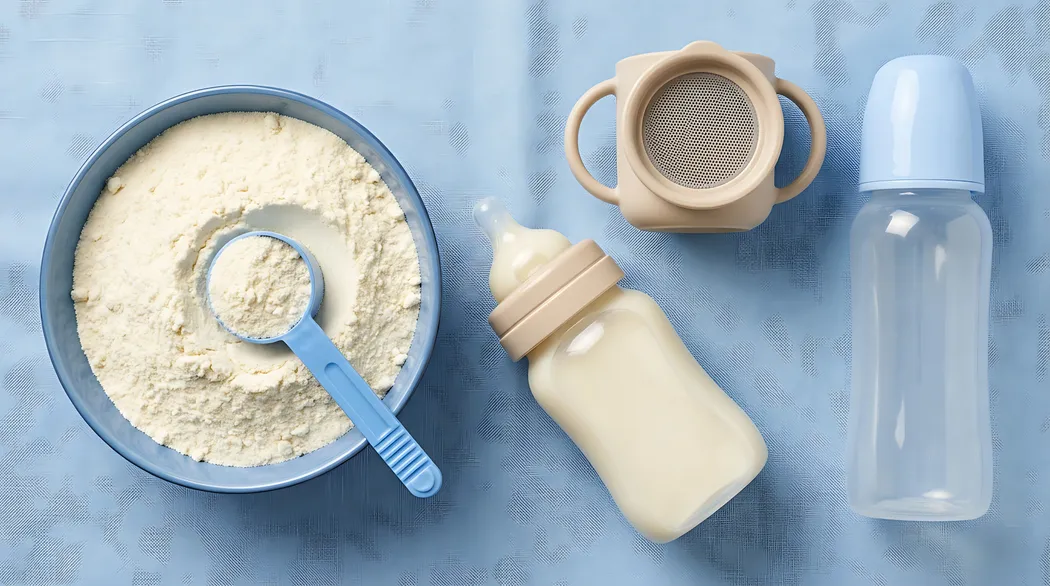
Learn how to choose, clean, sterilise and safely use infant milk bottles, including guidance on bottle materials, nipple flow, warming, feeding practices and replacement.
Choosing an infant milk bottle involves more than selecting a size or design. The bottle, nipple, cleaning routine and feeding technique can all affect how comfortably and safely a baby feeds. Because babies have developing feeding skills and different preferences, there is no single bottle that is best for every infant.
Safe bottle feeding also depends on proper cleaning, appropriate sterilisation, safe handling of breast milk or infant formula, and responsive feeding. Understanding these basics can help parents and caregivers choose suitable equipment and reduce avoidable feeding and hygiene problems.
Bottle choice should take into account the material, design, nipple flow and the baby's individual feeding cues. A bottle that works well for one baby may not suit another.
Which Bottle Material Is Best: Glass, Plastic or Silicone?
Glass, plastic and silicone bottles can all be suitable for infant feeding when they are made for this purpose and used according to the manufacturer's instructions. Each material has practical advantages and limitations.
The following table compares common bottle materials and the factors parents may want to consider:
Bottle material
Potential advantages
Considerations
Glass
Durable, easy to clean and less likely to retain odours or stains
Heavier and can break if dropped
Plastic
Lightweight and convenient for everyday use
Can become scratched or worn over time; follow the manufacturer's instructions for heating and cleaning
Silicone
Lightweight, flexible and less likely to break than glass
Can have a softer texture and may require careful inspection for wear or damage
Choose a bottle intended for infant feeding from a reputable manufacturer. If using plastic, follow the product's instructions for heating, dishwasher use and replacement. There is no need to assume that one material is universally safer than the others.
How Do You Choose the Right Nipple Flow?
Nipple flow refers to how quickly milk passes through the nipple. Manufacturers may label nipples as slow, medium or fast flow, but age ranges differ between brands and should not be treated as universal rules.
Newborns often begin with a slower-flow nipple, but the appropriate flow should be guided by the baby's feeding behaviour.
Signs that the flow may be too fast can include:
Coughing, choking or sputtering during feeds
Milk leaking from the mouth
Pulling away from the bottle
Distress or difficulty coordinating sucking, swallowing and breathing
Signs that the flow may be too slow can include:
Becoming frustrated during feeds
Sucking very hard without getting enough milk
Taking unusually long to complete feeds
Falling asleep from feeding effort
Do not automatically move to a faster nipple as a baby gets older. If feeding remains difficult despite using an appropriate nipple, speak with a paediatrician or feeding specialist.
Can Anti-Colic Bottles Help With Gas and Fussiness?
Anti-colic bottles commonly use vents or valves designed to reduce the amount of air a baby swallows while feeding. Some babies may seem more comfortable with a particular bottle design, but no bottle can guarantee prevention of colic, gas or fussiness.
If a baby appears uncomfortable during feeds, check the nipple flow, feeding position and attachment to the bottle. Allow the baby to pause when needed rather than encouraging continuous sucking. Some babies also benefit from being burped during or after a feed, although not every baby needs to be burped after every feed.
How Can You Warm a Baby Bottle Safely?
Breast milk and infant formula do not have to be warmed if the baby accepts them at room temperature or chilled when appropriate. If you choose to warm a feed, do so gradually and check the temperature before offering it.
Can You Use a Bottle Warmer?
You can use a bottle warmer if it is suitable for the type of bottle and feed being warmed.
Follow the warmer manufacturer's instructions.
Use the recommended amount of water and heating time.
Swirl the milk gently after warming to distribute heat evenly.
Check the temperature before feeding the baby.
Do not leave a bottle warming for longer than recommended.
Heating can vary depending on the bottle, volume and starting temperature, so do not rely only on the warmer's timer.
Can You Warm a Bottle in Warm Water?
A bottle can be warmed by placing it in warm water or holding it under warm running water.
Keep water from entering the bottle or touching the nipple.
Warm the feed gradually rather than using very hot water.
Gently swirl the bottle to distribute the heat.
Test a few drops on the inside of your wrist before feeding.
Why Should You Never Microwave a Baby Bottle?
Microwaving a baby bottle is not recommended because it can create hot spots within the milk. The bottle may feel only moderately warm while parts of the milk are hot enough to burn a baby's mouth.
Microwave heating can also heat the contents unevenly, particularly when the bottle is not mixed thoroughly. Use warm water or a suitable bottle warmer instead.
How Should You Clean and Sterilise Infant Milk Bottles?
Cleaning and sterilisation are separate steps. Cleaning removes milk residue, while sterilisation or sanitisation provides an additional level of germ reduction. Proper cleaning should be done after every feed.
What Is the Correct Way to Clean a Baby Bottle?
Clean bottles and their components promptly after each use.
Wash your hands before handling feeding equipment.
Take the bottle apart completely, including the nipple, ring, cap and valves.
Rinse away milk residue.
Wash the components with hot water and dishwashing liquid using a clean bottle brush.
Clean the nipple opening carefully.
Rinse all components thoroughly.
Allow the parts to air-dry completely on a clean, dry surface.
Store the equipment in a clean, dry place once completely dry.
If using a dishwasher, check that the bottle and all components are dishwasher-safe and follow the manufacturer's instructions.
Avoid drying clean bottle parts with a used kitchen towel, as this can recontaminate them.
What Are the Safe Ways to Sterilise Baby Bottles? Common methods include boiling, steam sterilisation and approved cold-water sterilising solutions. The appropriate method depends on the bottle and its components, so always follow the manufacturer's instructions.
Boiling
If the bottle and all its components are suitable for boiling:
Disassemble the bottle completely.
Place the parts in a clean pot and cover them fully with water.
Bring the water to a boil.
Follow the manufacturer's recommended boiling time.
Remove the components carefully using clean tongs.
Place them on a clean surface and allow them to air-dry completely.
Steam Sterilisation
Steam sterilisation can be performed using compatible electric or microwave steam sterilisers.
Check that all bottle components are suitable for steam sterilisation.
Follow the steriliser manufacturer's instructions for the amount of water and cycle duration.
Allow the equipment to cool before removing it.
Handle the steriliser carefully to avoid burns from hot steam or water.
Cold-Water Sterilising Solutions
Approved cold-water sterilising solutions can be used with compatible feeding equipment.
Prepare the solution exactly according to the product instructions.
Ensure that all bottle components are completely immersed.
Follow the specified soaking or contact time.
Do not alter the recommended concentration.
Follow the product instructions regarding whether rinsing is required before use.
How Often Should Baby Bottles Be Sterilised?
Recommendations for sterilising feeding equipment vary between health authorities and may depend on the baby's age, health and whether breast milk or infant formula is being used.
Babies who are very young, born prematurely or medically vulnerable may require additional precautions. Some guidance recommends daily sanitisation for young infants, while other health authorities recommend sterilising feeding equipment throughout the first year.
Follow the advice of your paediatrician, local health authority and the bottle or steriliser manufacturer. Regardless of the sterilisation schedule, bottles should be thoroughly cleaned after every feed.
How Should You Handle Breast Milk and Infant Formula in Bottles?
Safe handling is as important as choosing and cleaning the bottle. Breast milk and infant formula should be stored, prepared and used according to appropriate food-safety guidance.
Use clean, completely dry bottles and components.
For powdered infant formula, prepare the formula exactly according to the instructions on the product label.
Measure the water first and then add the required amount of formula powder, unless the product instructions state otherwise.
Use a safe water source appropriate for infant feeding.
Do not dilute infant formula or add extra powder.
Follow storage and use times provided by the formula manufacturer and local health guidance.
Do not keep unfinished formula in the bottle for later use.
If breast milk is being stored or warmed, follow recommended breast milk storage and handling practices.
Do not repeatedly warm and cool the same feed.
Powdered infant formula is not sterile. Babies who are premature or medically vulnerable may need additional precautions when formula is prepared or given, so individual medical advice may be appropriate.
How Can You Bottle-Feed a Baby Safely?
Safe bottle feeding involves more than the bottle itself. Responsive feeding allows the baby to control the pace of feeding and helps caregivers recognise hunger and fullness cues.
During a bottle feed:
Hold the baby in a supported, semi-upright position.
Hold the bottle at an angle that allows the baby to control the milk flow rather than tipping it vertically.
Allow pauses during the feed.
Watch for signs that the baby needs a break or has had enough.
Do not force the baby to finish the bottle.
Never prop a bottle against a baby's mouth or leave a baby alone with a bottle.
Avoid feeding a baby while they are lying flat.
Do not add cereal, thickeners or other foods to a bottle unless specifically advised by a healthcare professional.
Bottle propping can increase the risk of choking and may contribute to problems such as ear infections and tooth decay. A caregiver should remain with the baby throughout the feed.
When Should You Replace a Baby Bottle or Nipple?
There is no single replacement schedule that applies to every bottle. Inspect bottles and nipples regularly and replace them when they show signs of deterioration.
Replace a bottle or component if you notice:
Cracks, chips or other damage
Deep scratches or significant surface deterioration
Persistent odour or changes in appearance that remain after cleaning
A nipple that is torn, sticky, thinning or misshapen
An enlarged or damaged nipple opening
Any component that no longer fits securely
Nipples may need to be replaced more frequently than bottles because they undergo repeated sucking, washing and sterilisation. Follow the manufacturer's recommendations, but replace any component sooner if it becomes damaged or worn.
What Precautions Are Needed for Babies With Special Feeding Needs?
Some babies need additional care when bottles and feeding equipment are selected or used. Individual guidance may be particularly important when a baby was born prematurely, has a medical condition or is experiencing persistent feeding difficulties.
What Precautions Are Needed for Premature or Medically Vulnerable Babies?
Premature and medically vulnerable babies may have different feeding and infection-control needs. Their healthcare team may recommend specific bottle systems, nipple flows, feeding positions, sterilisation practices or formula preparation methods.
Follow the baby's individual feeding plan rather than relying solely on general bottle-feeding advice.
What If Your Baby Has Feeding Difficulties?
Speak with a paediatrician if your baby consistently:
Coughs or chokes during feeds
Has difficulty coordinating sucking, swallowing and breathing
Refuses feeds or appears distressed while feeding
Takes unusually long to feed
Vomits frequently
Is not gaining weight as expected
Persistent feeding problems may require assessment of feeding technique, nipple flow, swallowing or other underlying causes.
What If Your Baby Has a Suspected Allergy?
A baby who develops symptoms such as hives, facial swelling, repeated vomiting, blood in the stool, wheezing or breathing difficulty after feeding should be medically assessed.
Breathing difficulty or significant swelling of the face, lips, tongue or throat requires urgent medical attention.
Do not change formula or introduce a specialised feeding product solely on the basis of suspected allergy without appropriate medical advice.
What Bottle-Feeding Practices Should You Avoid?
A few simple precautions can reduce the risk of burns, choking, contamination and feeding problems.
Avoid:
Microwaving milk in a baby bottle
Feeding from a bottle that has not been properly cleaned
Using bottles or nipples that are cracked, damaged or deteriorated
Propping a bottle or leaving a baby unattended during a feed
Forcing a baby to finish a bottle
Adding cereal or other thickeners without medical advice
Diluting or concentrating infant formula
Reusing unfinished formula from a previous feed
Changing sterilising solution concentration or contact time without following the product instructions
Using feeding equipment that is incompatible with the sterilisation method
Relying on a fixed nipple-flow schedule instead of observing the baby's feeding cues
Conclusion
Choosing an infant milk bottle is largely about finding equipment that is safe, suitable for the baby's feeding needs and practical for the caregiver. Glass, plastic and silicone bottles can all be appropriate when they are designed for infant feeding and used correctly. Nipple flow should be guided by the baby's feeding cues rather than age alone.
Safe bottle feeding also requires careful cleaning after every use, appropriate sterilisation, safe handling of breast milk or infant formula, responsive feeding and regular inspection of bottles and nipples. When a baby has persistent feeding difficulties, poor weight gain, repeated vomiting or possible allergy symptoms, a paediatrician should assess the situation.
FAQS
Which material is safest for an infant milk bottle?
Glass, plastic and silicone bottles can all be suitable for infant feeding when they are made for this purpose and used according to the manufacturer's instructions. Each material has different practical advantages, so the choice can depend on durability, weight, handling and cleaning preferences.
How often should infant milk bottle nipples be replaced?
There is no universal replacement interval for every nipple. Inspect nipples regularly and replace them if they become torn, sticky, thin, misshapen or develop an enlarged opening. Manufacturer recommendations can also help determine when routine replacement is appropriate.
Can I reuse a bottle after simply rinsing it with water?
No. A bottle used for breast milk or infant formula should be properly cleaned after every feed. Rinsing alone may leave milk residue that can support bacterial growth. The bottle should be disassembled, washed thoroughly and rinsed before being dried and, when appropriate, sterilised.
Does a baby bottle need to be sterilised after every use?
Bottles should always be thoroughly cleaned after every use. Recommendations for additional sterilisation or sanitisation vary according to the baby's age, health status and local guidance. Young infants, premature babies and medically vulnerable babies may require additional precautions.
How do I know if my baby's nipple flow is too fast or too slow?
A flow that is too fast may cause coughing, sputtering, milk leakage, pulling away or distress. A flow that is too slow may cause frustration, forceful sucking or unusually long feeds. Rather than changing nipple flow based only on age, observe your baby's feeding behaviour and seek professional advice if difficulties persist.