logo
0

Baby Hampers: A Guide to Infant Nutrition & Essentials

 Learn how to choose useful baby hampers with practical essentials such as diapers, clothing, feeding supplies, skincare, hygiene products and gifts for new parents.

article image

Dr.J.T.Hema Prathima

A baby hamper is a thoughtful way to welcome a new baby, but the best hampers are not necessarily the biggest ones. New parents are more likely to appreciate things they can use straight away, such as diapers, baby clothes, muslin cloths, feeding accessories and basic care products.

The right choice also depends on the baby's age, feeding method, skin needs and what the family already has at home. This guide explains what is worth including in a baby hamper, what to ask the parents before buying, and which products are better left out.

What Should a Baby Hamper Include?

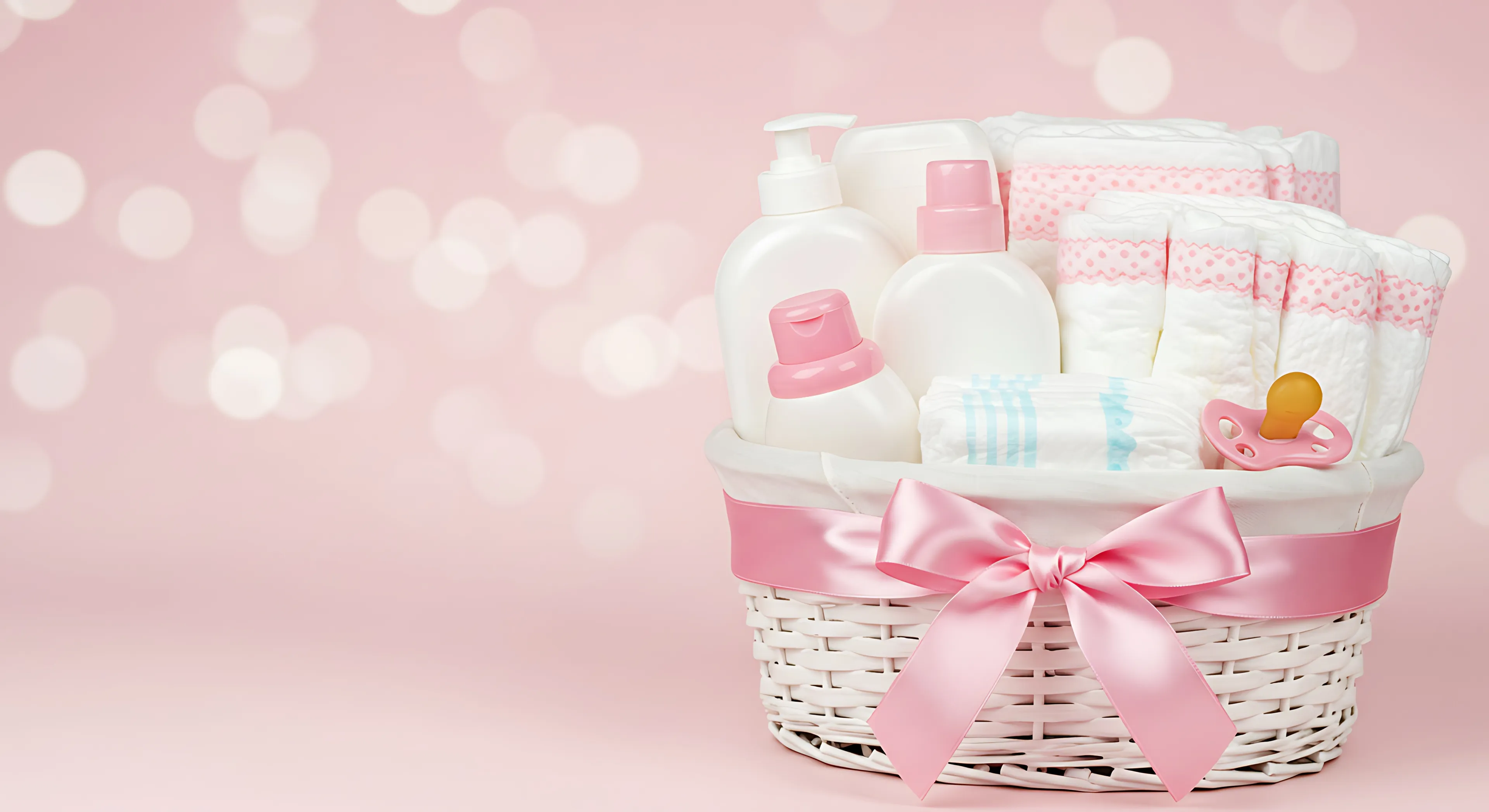
A practical baby hamper can combine a few everyday essentials with one or two personal touches. You do not need to recreate an entire newborn shopping list. Choose items that are easy to use, unlikely to go to waste and appropriate for the baby's age.

These are some of the most useful options.

  • Diapering: A small pack of diapers, a changing mat and a baby barrier cream are practical choices. If you know the baby's current weight, choose the corresponding diaper size. If you are buying for a baby who is already a few weeks old, ask the parents about the current size before buying several packs.
  • Clothing: Two or three soft cotton bodysuits or sleepsuits can be more useful than a single expensive outfit. Consider buying one size larger as well, so the baby can continue using part of the gift as they grow.
  • Muslin cloths: These are among the simplest and most useful additions to a baby hamper. Parents can use them during feeds, burping, bathing and everyday care.
  • Bathing and skincare: A soft washcloth, baby towel and a simple moisturiser can be useful. You do not need to include several different washes, oils, lotions and creams.
  • Hygiene: Gentle wipes, cotton wool and a digital thermometer are practical additions for everyday care.
  • Feeding: A bottle brush, breast milk storage bags or other feeding accessories can be useful, but ask the parents about their feeding method before buying bottles, teats or formula.
  • For the parent: Nursing pads, snacks, a reusable water bottle, or comfortable socks can make the hamper feel more thoughtful because the person caring for the baby needs practical support too.

If you want to add something sentimental, consider a board book, keepsake card or small memory book rather than another skincare or feeding product.

For a simple hamper, three or four useful categories are usually enough. A smaller hamper filled with things the family will actually use is more valuable than a large collection of novelty products.

Choosing Infant Nutrition Products Safely

Food and formula require more thought than most other hamper items because you may not know what the parents have already chosen for their baby.

If the baby is breastfed, you could include nursing pads or breast milk storage bags if the parent has said they would use them. A breast pump is a more personal purchase because parents may already have one or may prefer a particular type.

If the baby is formula-fed, ask the parents which formula they use before buying it. Different formulas are not interchangeable for every baby, and some infants may need a specialised formula because of a particular nutritional or medical need.

Infant food should also match the baby's age. A newborn does not need complementary foods, so baby cereals, purees and snacks do not belong in a hamper intended for a newborn.

Before buying a nutrition product:

  • Ask about feeding: Find out whether the baby is breastfed, formula-fed or combination-fed.
  • Check the age or stage: Choose a product intended for the baby's current age and feeding stage.
  • Check FSSAI information: For packaged infant food and infant nutrition products sold in India, check the required FSSAI information and labelling on the package. Foods for infant nutrition are covered by specific FSSAI regulations.
  • Check the ingredients: Look for allergens or other ingredients the parents have been advised to avoid.
  • Check the packaging: Do not give food or formula with damaged, leaking, opened or tampered packaging.
  • Check the expiry date: Choose products with a reasonable amount of time remaining before expiry.
  • Follow storage instructions: Formula and other infant foods should be stored and prepared according to the product instructions.

If you do not know the family's feeding plan, it is better to ask than to surprise them with formula or infant food.

Non-Nutrition Essentials Worth Adding

Many of the most useful baby hamper items have nothing to do with nutrition. They are the things parents reach for repeatedly during the first few weeks.

  • Diapers: Buy a small pack rather than several large packs unless you know the baby's current size. Babies can move between sizes quickly.
  • Changing mat: A washable, wipe-clean mat is useful at home and when travelling.
  • Barrier cream: A simple baby barrier cream can be useful for protecting the diaper area. Choose a product intended for babies rather than a medicated cream.
  • Muslin cloths: Give several rather than just one. They are useful for feeding, burping, wiping and general baby care.
  • Washcloths and towel: Soft, washable cloths and a baby towel are practical additions.
  • Digital thermometer: This is one of the more useful health-related items for parents to have at home.
  • Clothing: Bodysuits and sleepsuits in two sizes are more practical than several outfits in the smallest size.
  • Caregiver essentials: Snacks, a water bottle, nursing pads or a small notebook can make the hamper more useful for the parent as well.

If you include a swaddle, choose a lightweight product and make sure the parents know how to use it safely. Babies should be placed on their backs for sleep, and swaddling should stop when they show signs of trying to roll. Avoid weighted swaddles and sleep products that restrict normal movement.

Safety Checks Before Buying a Baby Hamper

Before putting the hamper together, check each product rather than assuming that a product is safe simply because it is marketed for babies.

  • Check the size: Ask the parents what diaper and clothing size the baby currently uses if possible.
  • Check expiry dates: Check food, formula, creams, wipes and other products with a limited shelf life.
  • Check packaging: Avoid anything with a broken seal, leakage, damaged packaging or signs of tampering.
  • Check FSSAI information: Packaged food and infant nutrition products should have the required FSSAI information and labelling.
  • Read the ingredient list: Do not rely only on claims such as “natural”, “organic”, “gentle” or “for newborns”.
  • Keep skincare simple: One basic baby moisturiser or barrier cream is more useful than several different products that may not suit the baby's skin.
  • Check feeding equipment: If you are buying bottles or teats, ask the parents which type they use. Feeding equipment also needs to be cleaned and sterilised according to the manufacturer's instructions.
  • Avoid medicines and supplements: Do not add medicines, vitamin supplements or medicated creams as general gifts unless the parents have specifically requested them or a healthcare professional has recommended them.
  • Avoid small objects: Do not include small toys, detachable accessories, beads or other objects that a baby could put in their mouth.
  • Be careful with sleep products: Do not add pillows, sleep positioners, wedges, cot bumpers or other products that could interfere with safe sleep. A baby's sleep space should be firm, flat and free from loose objects and soft bedding.

If you are buying a product that you have never used before, check its instructions and safety information before adding it to the hamper.

Contraindications and When to Avoid Certain Items

Some babies have additional nutritional or healthcare needs, so a general baby hamper may not be appropriate for every infant.

For a premature or medically fragile baby, ask the parents what the healthcare team has recommended before buying formula, specialised nutrition, supplements or medicated skincare. Premature and low-birth-weight babies may require additional feeding, warmth, hygiene and monitoring.

If the baby has a known food allergy, do not add food or formula containing the relevant allergen. When you are unsure about an ingredient, check with the parents rather than making the decision yourself.

Medicines, therapeutic creams, antiseptics and supplements should not be included as general gifts. A product intended for babies may still be unsuitable for a particular infant.

The same applies to products that promise to treat colic, improve sleep, boost immunity or solve another health concern. A baby hamper is not the right place to experiment with products that make medical claims.

When buying for someone else's baby, asking the parents what they need is often the simplest way to avoid an unsuitable gift. It also gives you an opportunity to choose something that fits naturally into the family's existing routine.

Conclusion

A thoughtful baby hamper does not need to contain dozens of products. A small selection of diapers, muslin cloths, soft clothing, a digital thermometer, gentle wipes and basic baby-care products can be genuinely useful during the first few weeks.

Take more care with formula, infant food, medicines, supplements, specialised skincare and sleep products because these depend on the baby's individual needs. If you are unsure, ask the parents before buying. A practical gift that fits the family's routine is often far more useful than a hamper filled with products they may never use.

FAQS

What should be in a baby hamper for a newborn?

Useful choices include a small pack of diapers, soft cotton clothing, muslin cloths, a changing mat, gentle wipes, cotton wool and a digital thermometer. You can add a simple baby-care product and feeding accessories if you know what the family already uses. A small gift for the parent, such as snacks or a reusable water bottle, can also be a thoughtful addition.
Is it safe to gift infant formula in a hamper?

Ask the parents before buying formula. They may already use a particular product, breastfeed exclusively or follow a feeding plan recommended by a healthcare professional. If they ask you to buy formula, check the baby's age or stage, FSSAI information, ingredients, packaging and expiry date before purchasing it.

How do I choose a baby hamper for a premature baby?

Ask the parents what their baby currently needs. A premature baby may have specific feeding and care requirements, so avoid choosing formula, specialised nutrition, supplements or medicated skincare without guidance from the baby's parents or healthcare team. Practical items such as suitable clothing, diapers, muslin cloths or something useful for the parents may be easier choices.

What are useful gifts for new parents besides baby products?

Practical gifts for the parent can be just as useful as products for the baby. Snacks, a reusable water bottle, comfortable socks, nursing pads, a simple notebook or a prepared meal can all be thoughtful choices. If you are unsure, ask what would make the first few weeks easier for them.

Can baby hampers include medicated skincare products?

It is better not to include medicated or therapeutic skincare products in a general baby hamper. They may be needed for a specific skin condition but may not be suitable for another baby. For a general gift, choose a simple baby-care product and let the parents or their healthcare professional decide whether specialised treatment is needed.

Apollo 247 Floating Action Button