logo
0

Diaper Rash: Causes, Prevention, and Treatment

Learn what causes diaper rash, how to prevent it, and safe treatment options for your baby. Doctor-reviewed guide from Apollo Pharmacy.

article image

Dr.Kamran

Diaper rash is one of the most frequent skin concerns parents encounter during a baby's first two years. Finding inflamed, tender skin in the diaper area can be distressing, but this condition is usually manageable with basic changes to your daily routine. Understanding what triggers diaper rash helps you soothe your baby's discomfort quickly and protect their skin from future flare-ups.

What Is Diaper Rash?

Diaper rash, medically known as diaper dermatitis, refers to inflammation of the skin covered by a diaper. It affects the buttocks, thighs, lower abdomen, and genital area. Most babies experience at least one episode before they are potty trained, with the highest occurrence seen between 9 and 12 months of age.

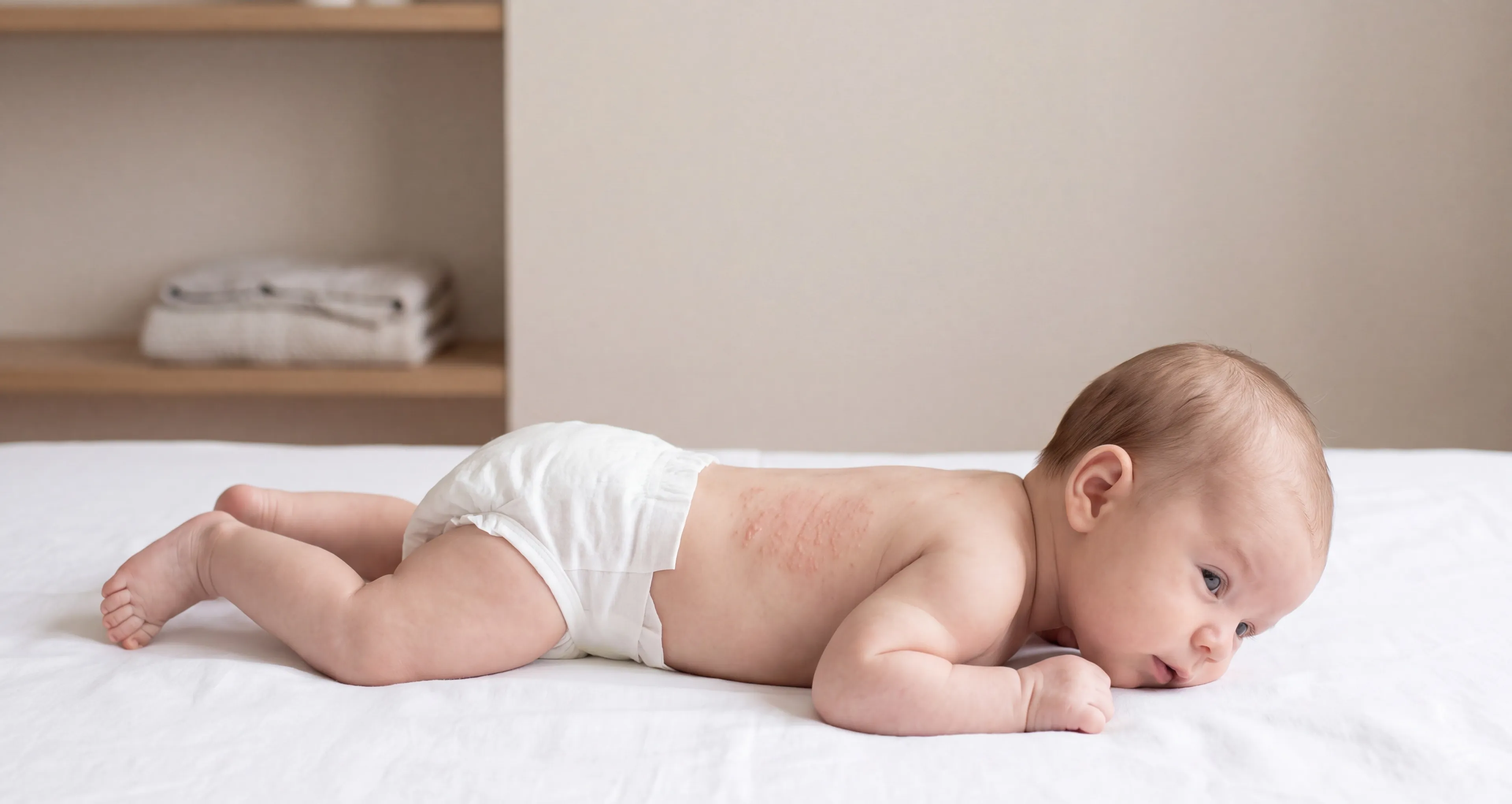
A mild baby rash on bottom usually appears as patchy pink or red skin that looks slightly puffy or dry. In babies with darker skin tones, the rash may look purple, gray, or darker brown than the surrounding skin. The area often feels warm to the touch. While the skin is uncomfortable and may cause your baby to fuss during diaper changes or bathing, simple home management resolves most cases within a few days.

Common Causes of Diaper Rash

Diaper dermatitis develops when the delicate skin barrier breaks down under moisture, friction, and chemical irritants. Understanding specific diaper rash causes makes it easier to pinpoint why a breakout occurred suddenly.

  • Prolonged contact with urine and stool. Stool contains digestive enzymes, and urine breaks down into ammonia. When left against the skin, these substances raise skin pH, eroding natural protective lipids and causing rapid irritation.
  • Chafing and friction. Tight diapers or synthetic clothing rub against moist skin, creating micro-tears that leave the surface vulnerable to irritation.
  • Sensitivity to hygiene products. Fragrances, alcohol, preservatives, and dyes found in disposable wipes, laundry detergents, fabric softeners, or bubble baths can trigger contact dermatitis.
  • Introduction of solid foods. Starting new foods alters the composition, frequency, and acidity of a baby's stool. This dietary shift often leads to unexpected flare-ups.
  • Antibiotic use. Antibiotics kill beneficial bacteria alongside harmful ones. When a baby or a nursing mother takes antibiotics, the balance of skin flora changes, allowing yeast such as Candida albicans to multiply.
  • Yeast or bacterial infections. A warm, damp diaper creates an ideal environment for fungi and bacteria. A yeast diaper rash typically looks bright red with distinct edges and small, scattered red bumps or pimples outside the main rash area.

Symptoms to Watch For

Recognizing specific diaper rash symptoms allows you to intervene before the inflammation deepens or spreads.

In mild cases, you will notice scattered pinkness or slight dryness across the convex surfaces that touch the diaper, such as the buttocks and thighs. The skin folds usually remain clear because they do not directly rub against the diaper material. Your baby may show slight irritability during cleanings.

In moderate to severe cases, the rash covers larger areas with fiery redness, noticeable swelling, and peeling skin. You might see open sores, small blisters, or oozing patches. Moderate-to-severe inflammation causes significant discomfort, making the baby cry during urination, bowel movements, or routine wiping.

If the rash spreads directly into the deep creases of the thighs and groin, develops pus-filled bumps, or forms yellow crusting, an underlying yeast or bacterial infection is likely present.

How to Prevent Diaper Rash

Consistent hygiene habits form the foundation of skin health in infants. Knowing how to prevent diaper rash involves minimizing moisture and reducing friction against the skin.

Prevention StepBest PracticeWhy It Helps
Change Frequency    Change diapers every 2 to 3 hours, and immediately after bowel movements.Minimizes skin exposure to digestive enzymes and ammonia.
Cleaning RoutineUse warm water and soft cotton pads or fragrance-free wipes. Pat dry gently.Avoids chemical irritation and prevents abrasive micro-tears from scrubbing.
Air TimeLeave the diaper off for 10 to 15 minutes during changes or floor play.Allows the skin to dry completely, restoring natural barrier function.
Fit and Sizing    Fasten diapers loosely, ensuring air can circulate. Size up if waistbands leave red indentations.Reduces physical friction and traps less heat against the skin.
Barrier ApplicationApply a thin layer of protective ointment at each change.Forms a physical shield between the skin and wetness.

For broader newborn routines, reviewing essential newborn skin and hygiene care tips can help you establish a consistent, head-to-toe care plan. Applying similar basic principles to general wound and skin care basics also ensures that open skin heals without secondary irritation.

Treatment Options for Diaper Rash

Most mild cases improve within 48 to 72 hours when using an effective diaper rash treatment protocol at home.

Over-the-Counter Barrier Creams and Ointments

A thick diaper rash cream serves as a physical barrier against moisture. The most reliable active ingredients include:

  • Zinc oxide: Provides a water-impermeable barrier that shields broken skin while reducing local inflammation. Formulations range from 10% for daily prevention to 40% for active, severe rashes.
  • Petroleum jelly (white petrolatum): A simple, hypoallergenic emollient that traps moisture inside the skin while keeping bodily fluids out.
  • Lanolin: An effective emollient, though parents should monitor for potential contact sensitivities in babies with reactive skin.

Apply your chosen diaper rash cream generously at every diaper change, like icing on a cake. Do not scrub off residual cream during wet-only diaper changes, as wiping it away repeatedly irritates the healing skin beneath. Simply wipe away soiled portions and apply a fresh layer on top.

Prescription Treatments for Secondary Infections

If a rash does not respond to standard barrier pastes or shows signs of microbial overgrowth, a doctor may prescribe targeted topical medications:

  • Topical antifungals: Generic clotrimazole 1% or miconazole 2% cream applied 2 to 3 times daily treats confirmed Candida yeast infections. Apply the antifungal layer directly to clean skin first, then cover it with a protective diaper rash cream.
  • Topical corticosteroids: Low-potency hydrocortisone 0.5% or 1% cream may be used for a brief period (rarely exceeding 3 to 5 days) under strict medical supervision to calm severe, non-infected inflammatory flare-ups.
  • Topical antibiotics: Prescribed if a bacterial infection, such as impetigo or staphylococcal folliculitis, develops over broken skin.

Contraindications and Precautions

Not every skin product is safe for infant skin. The skin of a baby absorbs substances more readily than adult skin, making careful product selection necessary.

Who should not use certain products:

  • Do not apply over-the-counter hydrocortisone or combination steroid creams without explicit pediatrician guidance. Strong steroids thin the infant skin barrier and can be absorbed into the bloodstream under occlusive diapers.
  • Avoid products containing benzocaine, camphor, phenol, methyl salicylate, or high concentrations of boric acid, as these compounds carry significant toxicity risks for young infants.
  • Avoid using baby powders or cornstarch. Inhaled powder particles can cause severe respiratory distress in infants. Cornstarch can also serve as a food source for Candida yeast, worsening fungal infections.
  • Check labels for fragrance, parabens, and essential oils. Natural oils like tea tree oil can cause severe contact dermatitis on raw, broken skin.

Prescribing information disclaimer: Prescription topical medications such as antifungals, antibiotics, and topical steroids must be used strictly according to the prescribing physician's directions and duration. Do not reuse leftover prescription creams for future rashes without re-evaluating the diagnosis.

Report adverse events to your healthcare provider or the relevant regulatory authority. If your child develops an unexpected skin reaction, hives, burning, or worsening swelling after applying any cream, discontinue use immediately and seek medical evaluation.

When to See a Doctor?

While most cases resolve at home, certain symptoms require professional medical assessment:

  • The rash does not improve after 3 days of consistent barrier cream use and hygiene adjustments.
  • Blisters, open ulcers, or raw, bleeding skin develop.
  • You see signs of bacterial infection, such as pus-filled lesions,
  • honey-colored crusting, or red streaks.
  • The rash is accompanied by a fever.
  • Your baby is unusually lethargic, inconsolable, or refuses to feed.
  • The rash spreads significantly beyond the diaper area to the abdomen, back, arms, or face.

Conclusion

Diaper rash is common in babies and can develop when delicate skin is exposed to moisture, urine, stool, friction, or irritating products for prolonged periods. Regular diaper changes, gentle cleaning, thorough drying, and allowing the skin to remain dry can help prevent and manage mild irritation. Barrier creams containing ingredients such as zinc oxide or petrolatum may help protect the skin from moisture when used appropriately. Persistent or severe rashes can have other causes, including fungal infection, bacterial infection, eczema, or contact dermatitis, and may require professional assessment. Parents should avoid using medicated creams, particularly steroid or antifungal products, without appropriate medical guidance. If the rash is spreading, blistering, bleeding, associated with fever or significant discomfort, or does not improve with routine care, a paediatrician or healthcare professional should evaluate the baby.

FAQS

How long does diaper rash take to heal?

Most mild cases clear within 2 to 3 days of consistent barrier cream use and frequent diaper changes. Severe or fungal rashes may take up to a week to heal completely under appropriate treatment.

Can breastfeeding affect diaper rash?

Yes, changes in maternal diet or medications can slightly alter the acidity and composition of breast milk, affecting stool frequency and composition. Breastfed babies, however, statistically experience fewer diaper rashes than formula-fed infants due to lower stool pH and specific protective antibodies.
Is coconut oil good for diaper rash?

Virgin coconut oil has mild moisturizing and soothing properties that may help mild dryness. However, for active, inflamed rashes, a regulated diaper rash cream with zinc oxide provides a far more resilient physical barrier against stool and urine.

Can diaper rash spread to other body parts?

Standard irritant diaper dermatitis stays confined to the diaper zone. However, fungal or bacterial infections starting in the diaper area can spread across the abdomen, thighs, and other folds if left unmanaged.

What is the best diaper rash cream for newborns?

For newborns, a fragrance-free, hypoallergenic diaper rash cream containing zinc oxide or pure white petroleum jelly is ideal. These gentle formulations shield delicate skin without introducing common allergens or irritants.

Apollo 247 Floating Action Button