logo
0

Pregnancy Test Kit Use: Types, Steps & hCG Levels Guide

Learn how to use a pregnancy test kit, including urine and blood tests, hCG levels, the best time to test, result interpretation, accuracy, and next steps.

article image

Dr.Kamran

A missed period can set off a wave of emotions, and knowing how to approach pregnancy test kit use correctly can mean the difference between reliable results and unnecessary anxiety. Whether you are trying to conceive or simply need clarity, understanding the science behind these tests, from hormone detection to line reading, helps you act on accurate information. This guide covers the types of pregnancy test available, how hCG levels confirm a pregnancy, and what your result actually means.

Types of Pregnancy Tests: Urine Kits vs Blood Tests

Two main approaches are used to test for pregnancy: at-home urine kits and laboratory blood tests. Choosing between them depends on how early you are testing and how much precision you need.

Home Urine Pregnancy Test Kits

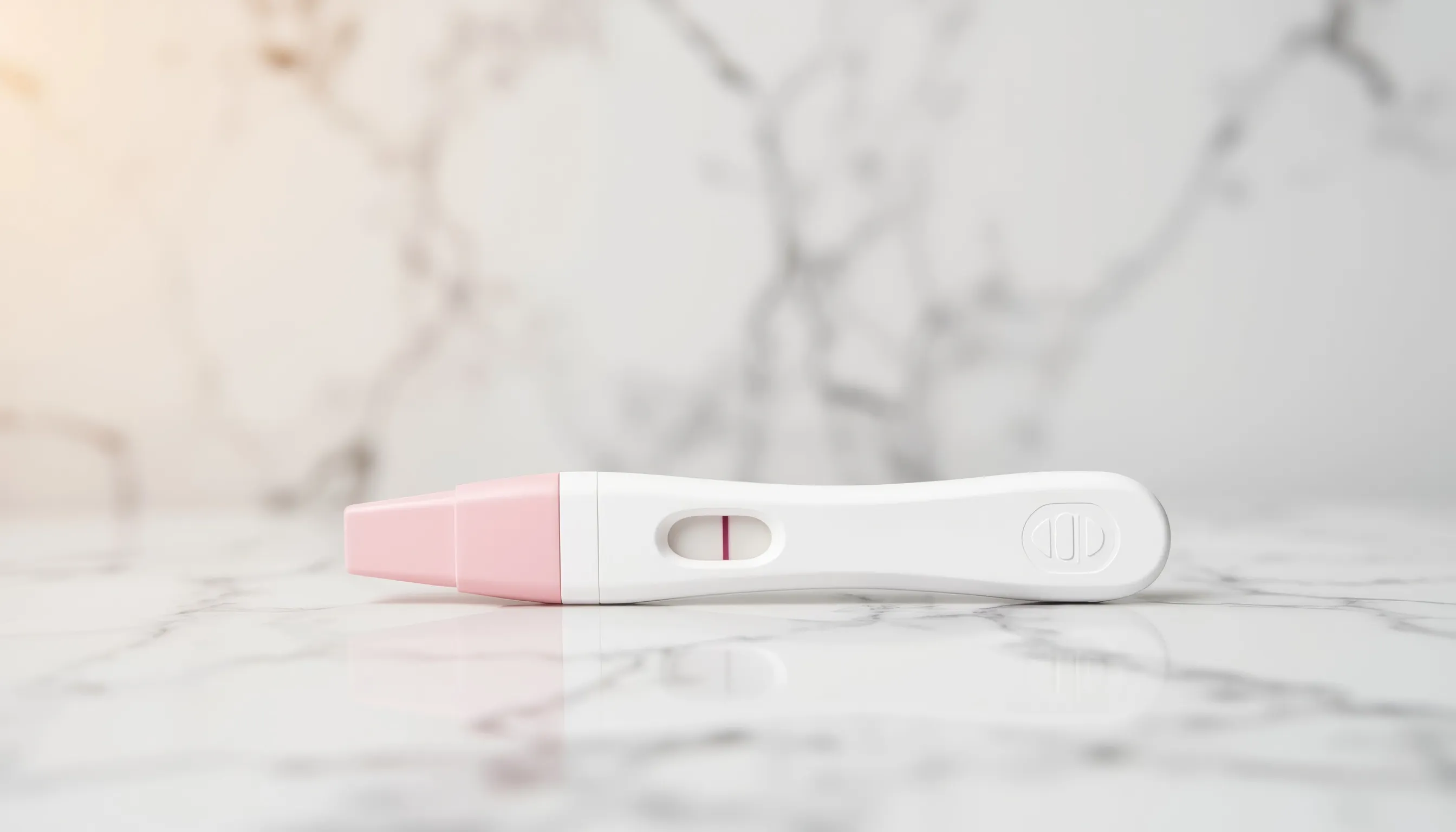
Home kits detect human chorionic gonadotropin (hCG), a hormone produced after a fertilised egg implants in the uterus. They come in two forms:

  • Strip tests: a paper strip you dip into a urine sample, widely available at pharmacies and usually the most affordable option.
  • Digital tests: a device that displays "pregnant" or "not pregnant," removing the guesswork around faint lines.

Most home kits can detect hCG at a sensitivity of 20 to 25 mIU/mL, which is enough to pick up a pregnancy around the time of a missed period.

Blood Test for Pregnancy

A blood test for pregnancy, done at a laboratory, measures hCG directly in the bloodstream. There are two types:

  • Qualitative hCG test: confirms whether hCG is present (a simple yes or no).
  • Quantitative hCG test (beta-hCG): gives an exact level in mIU/mL, allowing doctors to monitor how the pregnancy is progressing.

Blood tests can detect pregnancy as early as 6 to 8 days after ovulation, several days before a home kit would show a positive. If there is concern about ectopic pregnancy, early pregnancy loss, or an unusual result at home, a quantitative blood test is the preferred next step.

A home kit is a practical and private first step. A blood test offers greater precision and is the standard for clinical confirmation.

How to Use a Home Pregnancy Test Kit: Step-by-Step

Correct pregnancy test kit use matters as much as the kit's sensitivity. Even a reliable test can return an inaccurate result when used at the wrong time or in the wrong way. Knowing when to take a pregnancy test and how to collect the sample properly makes a real difference.

When to take the pregnancy test: Test on the first day of your missed period for the most reliable result. Testing earlier raises the chance of a false negative because hCG may not yet have reached the kit's detection threshold.

Step-by-step guide:

  • Read the full instructions inside your specific kit before opening any packaging. Formats differ between brands.
  • Use first morning urine. It is the most concentrated and carries the highest hCG levels of the day.
  • Avoid drinking large amounts of fluid in the hours before testing. Diluted urine can lower hCG concentration below the detection threshold.
  • For a midstream test, hold the absorbent tip in the urine stream for the number of seconds stated in the instructions, typically 5 to 10 seconds. For a strip test, dip the strip to the marked line in a collected sample.
  • Lay the test flat on a clean, dry surface and wait the full time indicated, usually 3 to 5 minutes.
  • Read the result within the window specified in your kit's instructions. Results read after this window may not be valid.

Store unused kits at room temperature, away from direct sunlight, and always check the expiry date before use.

Understanding hCG Levels and How They Confirm Pregnancy

hCG is produced by the cells that will form the placenta. It begins rising shortly after implantation and roughly doubles every 48 to 72 hours in a healthy early pregnancy. This rapid increase is what makes it such a reliable marker for home and clinical testing.

A urine kit gives a positive result once hCG crosses its detection threshold, around 20 to 25 mIU/mL. A blood test can detect levels as low as 1 to 5 mIU/mL, which is why it can confirm pregnancy earlier than any home kit.

hCG Levels Pregnancy Chart (Approximate Ranges)

Individual hCG levels vary considerably. A single reading matters less than the trend over serial measurements.

Weeks from Last Menstrual PeriodApproximate hCG Range (mIU/mL)
3 to 4 weeks5 to 50
4 to 5 weeks5 to 426
5 to 6 weeks18 to 7,340
6 to 7 weeks1,080 to 56,500
7 to 8 weeks7,650 to 229,000
9 to 12 weeks25,700 to 288,000

If quantitative hCG levels are not rising as expected every 48 to 72 hours, a doctor will investigate further, particularly to rule out ectopic pregnancy or early pregnancy loss.

Interpreting Your Pregnancy Test Result

Pregnancy test result interpretation is straightforward once you know what each line or display actually means.

  • Positive result: Two lines, even a faint second line, or a "pregnant" display on a digital test means hCG was detected. A genuine positive is rarely a false positive. If you see two lines, the test is responding to the hormone.
  • Negative result: One line or "not pregnant" means hCG was not detected at this time. This does not always mean you are not pregnant. Testing too early, diluted urine, or an expired kit can each cause a false negative. If your period does not arrive within 2 to 3 days, retest.
  • Faint line: A faint second line still indicates hCG is present and is generally considered a positive result. It is common when levels are low in very early pregnancy. Retest with first morning urine after 48 hours to see whether the line darkens as hCG rises.
  • Evaporation line: A colourless or grey shadow can appear on the test strip after the reading window closes. This is caused by urine evaporating off the strip, not by hCG detection. Always read results within the time stated in the instructions.

If you are ever uncertain about your result, speak with a pharmacist or doctor rather than acting on an ambiguous reading alone.

When to See a Doctor and Who Should Not Self-Test Alone?

Some situations call for a clinical consultation rather than relying solely on pregnancy test kit use at home.

See a doctor promptly if:

  • You have a positive home result and want clinical confirmation before making health decisions.
  • You experience pelvic pain, heavy bleeding, or shoulder-tip pain alongside a positive result (possible signs of ectopic pregnancy).
  • Your hCG levels from serial blood tests are not rising appropriately.
  • A home test is negative but your period has still not arrived after several more days.

Contraindications and Conditions That Can Affect Results

Certain factors can interfere with accuracy and should be discussed with a doctor before or after testing:

  • Fertility treatments that involve hCG injections can cause a false positive on both urine and blood tests. The injected hormone takes time to clear from the body.
  • Some rare conditions, including certain ovarian tumours, can produce hCG and cause a false positive.
  • Kidney disease affecting urine concentration may influence urine-based test sensitivity.
  • Very early testing, before the first missed period, significantly raises the risk of a false negative regardless of kit brand.

Report adverse events related to any diagnostic test or medication to your healthcare provider or the relevant regulatory authority.

Once a positive home result is confirmed, early antenatal care is the priority. You may also find it useful to read Apollo's newborn care guide for after pregnancy confirmation to start planning ahead.

Conclusion

Pregnancy test kits detect human chorionic gonadotropin (hCG), a hormone produced after implantation, with urine tests providing a convenient way to check for pregnancy at home. For the most reliable result, the test should be used according to the manufacturer's instructions and at an appropriate time, as testing too early may produce a false-negative result. A positive result generally indicates pregnancy, while a negative result may need to be repeated if the period remains delayed or pregnancy is still suspected. Quantitative blood tests can measure the amount of hCG and may be used when more detailed assessment is needed. hCG levels vary widely between pregnancies, so a single value should not be used to determine pregnancy progress without considering gestational timing and clinical findings. Severe abdominal pain, heavy bleeding, dizziness, fainting, or other concerning symptoms after a positive test require prompt medical evaluation.

FAQS

How soon can I take a pregnancy test after a missed period?

You can take a home pregnancy test on the first day of your missed period. Testing from this point gives the most reliable result because hCG levels are usually high enough to cross the kit's detection threshold. Testing even earlier is possible but significantly raises the risk of a false negative.
Can a pregnancy test be wrong?

Yes. False negatives are more common than false positives and usually result from testing too early, using diluted urine, or using an expired kit. False positives are rare but can occur with certain fertility medications containing hCG or specific medical conditions. Retesting and clinical confirmation resolve most doubts.

What is the best time of day to take a pregnancy test?

First morning urine is the best choice because it is the most concentrated sample of the day and carries the highest hCG levels. Testing later in the day after drinking fluids is possible but can produce a weaker or missed result, particularly in very early pregnancy.

How accurate are home pregnancy test kits?

When used correctly and at the right time, most home kits are over 99% accurate from the day of a missed period. Accuracy drops when testing early, using diluted urine, or not following the kit's instructions precisely.

Do I need a blood test to confirm a positive home test?

A clinical blood test for pregnancy is not always mandatory after a clear positive at home, but doctors often recommend it to confirm the result and establish baseline hCG levels. It becomes essential if there is any clinical concern, such as pain, bleeding, or a history of ectopic pregnancy.

Apollo 247 Floating Action Button