logo
0

How to Use SuperBottoms Cloth Diapers for Newborns

Step-by-step guide to using, wearing, washing and maintaining SuperBottoms cloth diapers for newborns, plus skin-safety tips from Apollo Pharmacy.

article image

Dr.Mayank

Knowing how to use SuperBottoms cloth diaper correctly from the very first change takes the guesswork out of cloth diapering a newborn. Done right, it protects delicate skin, reduces waste, and saves money over time. This guide covers fitting, insert placement, washing, long-term care, and rash prevention so you feel confident at every stage.

How to Put On a SuperBottoms Cloth Diaper on a Newborn?

Getting the fit right is the single most important step. A poorly fitted diaper leaks; a well-fitted one stays comfortable for hours.

Placing the Insert

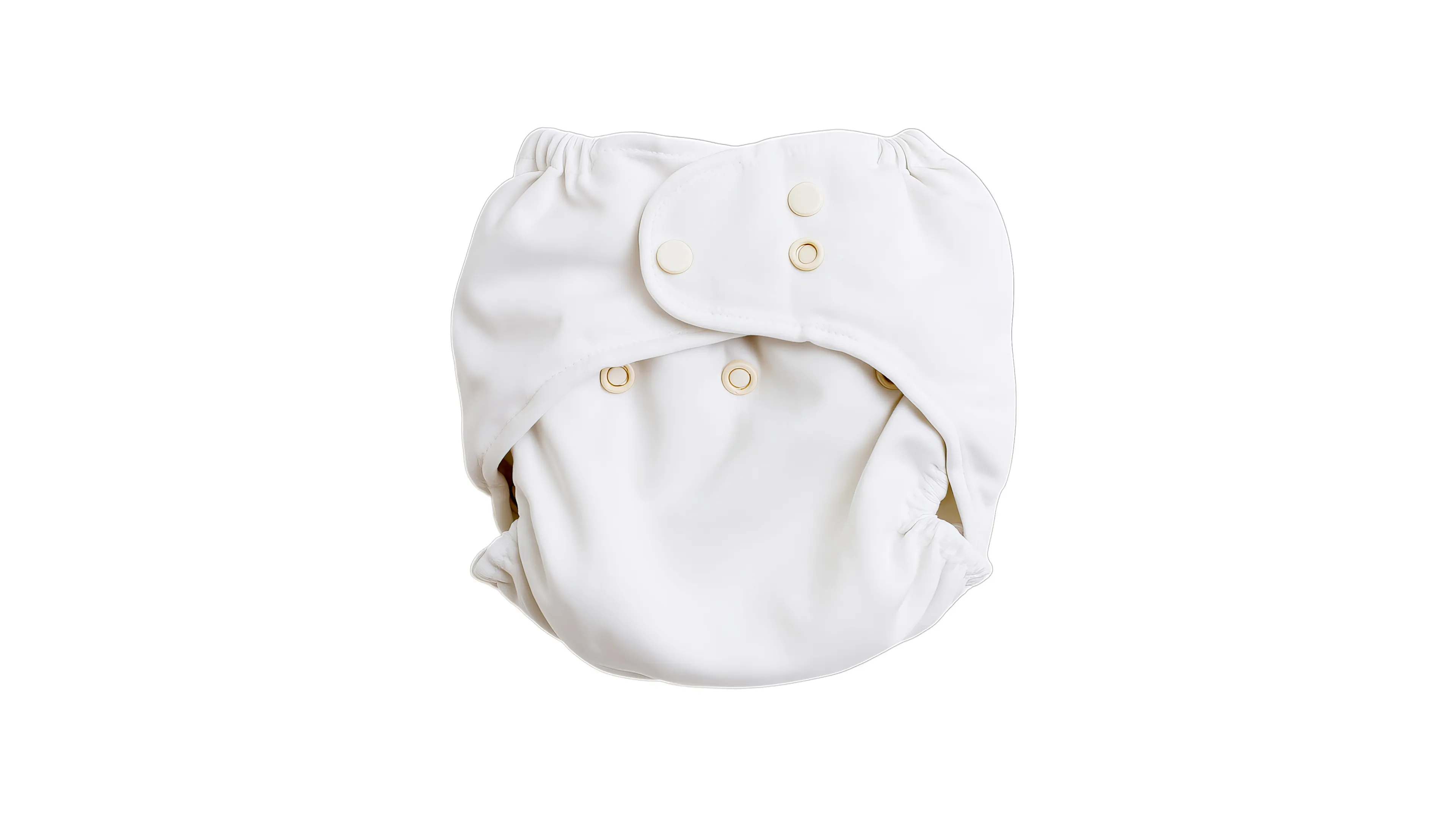
Before dressing your baby, tuck the absorbent insert into the diaper's pocket opening. Lay it flat so there are no bunched-up edges. Proper cloth diaper insert usage matters more than most parents expect: for a light wetter, a single flat insert is fine; for a heavy wetter, fold the insert once or add a booster for extra absorbency. Make sure no insert fabric peeks out at the leg openings, because exposed fabric wicks moisture straight onto clothing.

Snapping to the Right Size

SuperBottoms cloth diapers use rows of snaps at the front to adjust rise (the height from waist to crotch). For a cloth diaper newborn fit, fold the diaper down to its smallest rise setting by snapping the bottom row up toward the waist. This creates a trim, snug shape rather than a bulky one that gaps at the sides.

Achieving a Snug but Comfortable Fit

  • The waistband should sit just below the belly button. See newborn hygiene care while diapering for guidance on keeping that area clean until the cord stump falls off.
  • Run a finger around the leg elastics. They should hug the thigh gently with no red marks after 20 minutes of wear.
  • A two-finger gap at the waist is the standard check: snug enough to prevent leaks, loose enough for comfort.

How Often to Change and Check the Diaper?

Newborns urinate very frequently, and cloth diapers do not pull moisture away from the skin the way disposables do. Change your baby every 2 to 3 hours during the day, or immediately after any soiled diaper. At night, a quality insert can last a longer stretch, but most newborns still need a change after every feed.

Signs it is time for a change:

  • The wetness indicator strip (if present on your SuperBottoms diaper) has changed colour.
  • The diaper feels heavy or warm to the touch.
  • There is visible sagging at the crotch.
  • Your baby is fussy without an obvious reason.

Leaving a wet cloth diaper on for more than 3 hours significantly raises the risk of skin irritation, so prompt changing is your first line of defence.

How to Wash and Dry SuperBottoms Cloth Diapers?

Learning how to wash cloth diapers properly protects the fabric and your baby's skin. Detergent residue or body fluids left in the fabric can trigger rashes and reduce absorbency over time.

Before the First Use

Wash new diapers two to three times before putting them on your baby. This removes manufacturing residues and builds up the insert's full absorbency, which typically peaks after several washes.

The Daily Wash Routine

  1. Remove solids into the toilet. For exclusively breastfed newborns, stool is water-soluble and can go straight into the machine, but a quick rinse first is good practice.
  2. Run a cold rinse cycle with no detergent to flush out urine and loose soil.
  3. Run a full warm wash (follow the care label, generally 40 to 60 degrees Celsius) with a cloth-diaper-safe, enzyme-free, fragrance-free detergent.
  4. Add one extra rinse at the end to clear any remaining detergent.

What to Avoid?

  • Fabric softeners coat fibres and destroy absorbency.
  • Bleach used regularly breaks down elastic and the waterproof PUL layer.
  • Overloading the machine prevents thorough rinsing.

Drying

Sun-drying is the best option. UV rays disinfect naturally and lift stubborn stains without chemicals. If the weather does not cooperate, air-dry indoors in a well-ventilated spot. Tumble drying on low heat is generally acceptable for the shell but can shorten the life of elastic and PUL over time. Always check the care label first.

Maintaining Cloth Diapers Long-Term

Good maintenance habits keep diapers performing well for years, and for more than one child if stored carefully.

Stripping

Over weeks of use, detergent buildup or hard-water mineral deposits can cause persistent odour or reduced absorbency. Stripping means running a hot wash with no detergent, followed by several rinse cycles until the water runs clear. Do this every one to two months, or whenever you notice a problem.

Checking for Wear

Inspect your diapers monthly for these issues:

  • Leg and waist elastics that leave deep red marks or have gone slack need replacing.
  • Cracked or loose snaps affect fit and, if a snap falls off, pose a choking hazard.
  • Bubbling or peeling on the PUL waterproof layer means the shell will start leaking and the diaper should be retired.

Storage

Store clean, dry diapers in a breathable bag or drawer. Use a wet bag for soiled diapers between washes, but do not leave them sealed for more than two days to prevent ammonia buildup and mould.

Preventing Diaper Rash and Skin Irritation

Cloth diaper rash prevention starts with hygiene and change frequency. Most rashes trace back to infrequent changes, detergent residue, or yeast overgrowth in a persistently damp environment.

Practical steps:

  • Change every 2 to 3 hours as described above.
  • Allow 10 to 15 minutes of nappy-free time after each change to let the skin breathe.
  • Use a cloth-diaper-safe barrier cream (zinc oxide-based creams can coat inserts and reduce absorbency; use a liner if needed).
  • Rinse diapers thoroughly so no detergent remains against the skin.

If a rash does not improve within 48 to 72 hours of more frequent changes and good hygiene, or if you see blistering, bleeding, or spreading redness, consult your paediatrician promptly. Report adverse events to your healthcare provider or the relevant regulatory authority.

Contraindications and When Not to Use Cloth Diapers

A superbottoms cloth diaper for newborn use is generally safe, but there are situations where you should seek medical advice before continuing:

  • Diagnosed skin conditions such as eczema, psoriasis, or epidermolysis bullosa require a dermatologist's guidance on diaper material and washing products.
  • A known allergy to any component of the diaper shell, insert fabric, or detergent means you must identify the trigger before resuming use.
  • Severe or recurrent fungal infections (thrush) need antifungal treatment before cloth diapering resumes, as the moist environment can worsen the condition.
  • Premature infants or babies with open wounds in the diaper area should only use materials approved by their neonatal care team.

When in doubt, pause use and speak with your child's doctor before reintroducing cloth diapers.

Conclusion

Using a SuperBottoms cloth diaper for a newborn involves choosing an appropriately sized product, preparing the absorbent insert correctly, securing a comfortable fit, and changing the diaper regularly. Parents should follow the specific product instructions because designs, insert types, sizing, and fastening systems can vary between models. A newborn's diaper should be changed promptly when wet or soiled to help reduce prolonged moisture exposure and skin irritation. Used diapers should be handled and washed according to the manufacturer's care instructions, with thorough cleaning and drying before reuse. Parents should check the fit around the baby's waist and legs to avoid excessive tightness or leaks and should never leave a newborn unattended on an elevated changing surface. If persistent redness, sores, or other skin problems develop despite appropriate diaper care, consult a paediatrician or healthcare professional.

FAQs

How many SuperBottoms diapers does a newborn need per day?

Newborns go through roughly 10 to 12 diaper changes in 24 hours, so a stash of 20 to 24 diapers gives you a comfortable two-day supply between washes.

Can newborns wear cloth diapers from birth?

Yes, provided you use the correct rise setting and achieve a snug fit around the legs. SuperBottoms diapers with adjustable snaps can typically fit newborns from around 2.5 kg onwards, but always check the brand's weight guide.

How do you soften cloth diapers before first use?

Wash them two to three times in warm water with a small amount of cloth-diaper-safe detergent. This pre-washing softens the fibres and improves absorbency before the diaper touches your baby's skin.

Are cloth diapers safe for sensitive newborn skin?

Generally yes. The soft inner layer of most SuperBottoms diapers is designed to be gentle, and using a fragrance-free, enzyme-free detergent minimises irritation. If redness or rash persists, consult your paediatrician to rule out an allergy.

How long do SuperBottoms cloth diapers last?

With proper washing and maintenance, a well-cared-for cloth diaper typically lasts two to three years of regular use, or through more than one child, before the elastic or PUL layer needs attention.

Apollo 247 Floating Action Button