logo
0

How to Use, Wash, and Maintain Superbottoms Cloth Diapers

Learn how to use, wash, dry, and maintain Superbottoms cloth diapers, with practical tips for fit, absorbency, rash prevention, and long-term care.

article image

Dr.Nallapu Siri

Choosing how to diaper your baby is one of the first decisions new parents make, and knowing how to use Superbottoms cloth diapers correctly makes the difference between a comfortable, leak-free experience and a frustrating one. Whether you have just unboxed your first set or are troubleshooting fit and wash issues, this guide walks you through every step, from putting the diaper on your newborn to keeping it in good shape for years.

How to Put On a Superbottoms Cloth Diaper Correctly

Getting the fit right is the single most important step. A well-fitted diaper prevents leaks and reduces the risk of skin irritation from rubbing or prolonged moisture contact.

Rise settings and snap sizing

Superbottoms diapers use a row of snaps on the front panel to adjust the rise, which is the diaper's height from front to back. For newborns and smaller babies, snap the front panel up to the smallest rise setting. As your baby grows, unsnap one row at a time. Most parents find the middle rise setting works well from around 3 to 6 months onward.

For waist fit, fasten the side snaps so the diaper sits snugly at the waist without leaving red marks. You should be able to slide two fingers flat under the waistband comfortably.

Leg gusset fit

Run your finger along the leg gussets to make sure the elastic sits in the leg crease, not cutting into the thigh or gaping outward. A gusset that lies flat against the skin all the way around is your best defence against poop blowouts and urine leaks.

For more on keeping your newborn's skin clean and comfortable from day one, read this guide on newborn hygiene and skin care basics.

How to Use the Absorbent Insert Properly

Every Superbottoms diaper comes with an absorbent insert, and how you position it affects both comfort and leak protection.

Place the insert inside the pocket opening at the back of the diaper shell. Push it flat so it covers the entire inner panel without bunching. The insert should lie smooth, because bunched fabric creates pressure points and uneven absorption.

The number of inserts needed depends on the baby's age, urine output, the particular Superbottoms diaper and insert configuration, and the length of time between changes. Start with the configuration recommended for your specific product and adjust based on how wet the insert becomes and whether leaks occur. For longer periods, use the additional insert or booster recommended for your specific Superbottoms model. Extra absorbency can increase capacity, but it does not replace regular diaper changes. Superbottoms diaper insert use follows a simple rule: more layers mean longer wear, but never skip a change if the diaper feels saturated.

Change the diaper promptly when wet. Prolonged exposure to moisture, urine, stool, friction, and other irritants can contribute to diaper dermatitis. Change the diaper promptly when it becomes wet or soiled.

How to Wash Superbottoms Cloth Diapers Step by Step

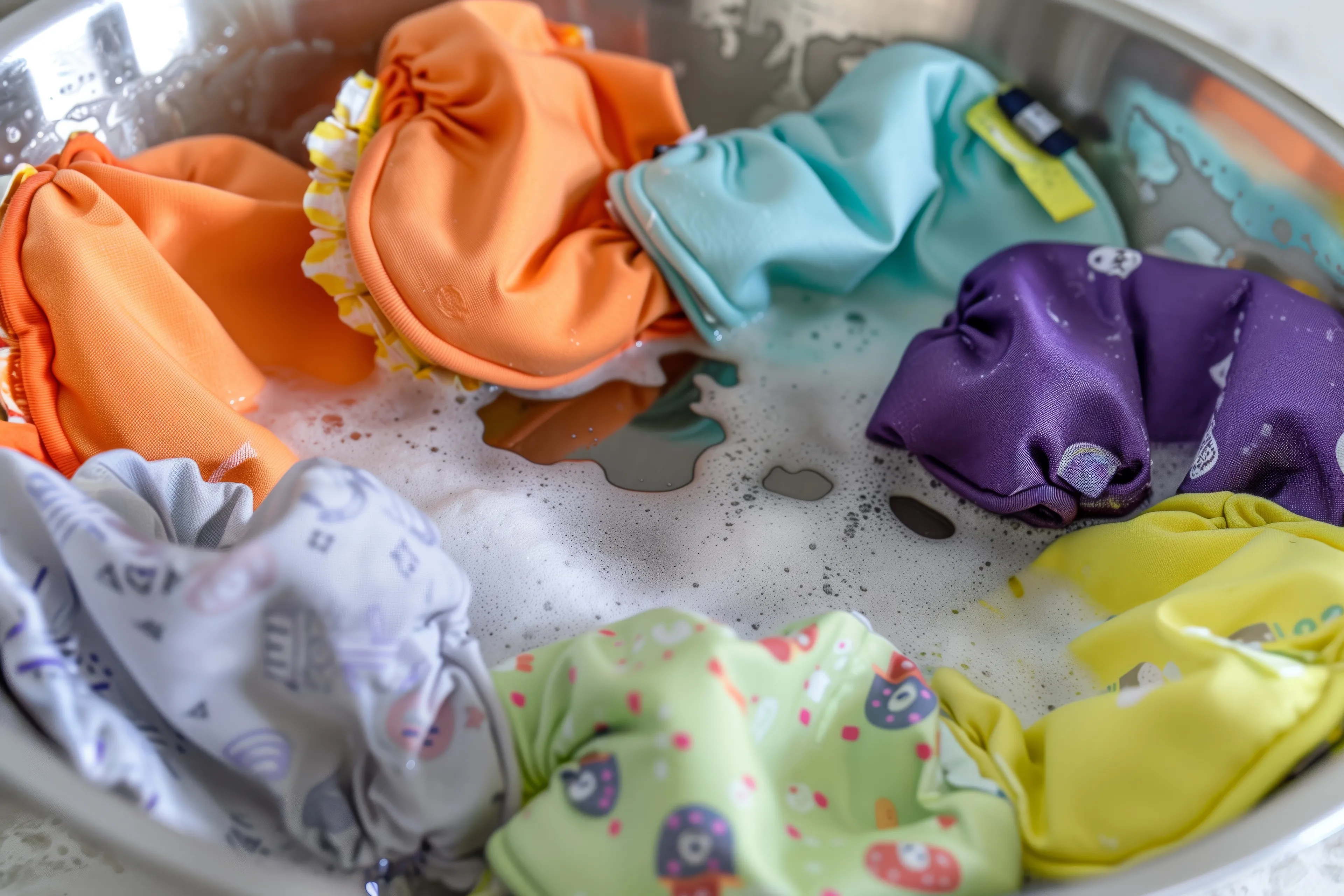
A consistent washing routine keeps the fabric hygienic and extends the diaper's life. Here is how to wash Superbottoms cloth diapers effectively.

Before the first use

Wash new diapers two to three times before putting them on your baby. This pre-wash removes manufacturing residues and begins building the absorbency of the insert fabric. A warm machine wash without detergent is fine for the first cycle; add a small amount of detergent from the second cycle onward.

Routine wash cycle

  • Remove solid waste into the toilet. For breastfed newborns, the runny stool can go directly into the wash without pre-scrubbing.
  • Do a cold pre-rinse or a short rinse cycle with no detergent to flush out urine and surface soiling.
  • Run a full wash using the temperature and cycle recommended by Superbottoms for your specific diaper and insert. Use an appropriate amount of detergent according to the detergent manufacturer's instructions. Use the amount the detergent manufacturer recommends for a medium-soiled load.
  • Run an extra rinse at the end to clear all detergent residue. Residue left in the fabric can cause irritation and reduce absorbency over time.

What to avoid

  • Avoid fabric softeners unless the manufacturer specifically states that they are suitable. Fabric softeners can leave a coating on absorbent fibres and may reduce absorbency.
  • Do not use bleach unless Superbottoms specifically recommends it for your particular product. Bleach and other harsh chemicals may damage fabric, elastic, or waterproof components when used incorrectly.
  • Avoid temperatures higher than those recommended on the diaper's care label, as excessive heat may damage elastic or waterproof components over time.

Drying

Line drying in sunlight is ideal. UV light naturally disinfects and fades stains without heat damage. If you use a dryer, choose a low heat setting. High heat shortens the life of the elastic and the laminate layer.

How to Maintain and Store Cloth Diapers Long-Term

Learning how to maintain cloth diapers goes beyond the wash routine.

Stripping

Over time, detergent buildup or hard water minerals can make inserts smell even after washing or reduce absorbency. Stripping, which means soaking the inserts in hot water with a small amount of a residue-removing agent, restores performance. Consider a deeper cleaning or stripping process only if the manufacturer recommends it or if you are experiencing persistent odour or absorbency problems. Follow the specific product-care instructions rather than using stripping as a routine monthly treatment.

Elastic care

Avoid wringing the diaper tightly or stretching the leg and waist elastic roughly when folding. Store diapers unsnapped so the elastic rests in a relaxed position. This alone extends elastic life considerably.

Storage

Keep clean, dry diapers in a breathable bag or open container. Airtight storage traps residual moisture and can cause mildew. Soiled diapers waiting for wash day go into a dry pail (no water soaking, which weakens the PUL over time) lined with a washable wet bag.

How long a cloth diaper lasts depends on the specific product, frequency of use, washing routine, and how the fabric, elastic, and waterproof layer are maintained. Follow the manufacturer's care instructions to help maximise product life.

Preventing Diaper Rash and Skin Irritation

Cloth diaper rash prevention is mostly about moisture management and change frequency. The fabric itself is generally gentler than disposables for sensitive skin, but no diaper prevents rash if left on too long.

Practical steps to protect your baby's skin:

  • Change the diaper every 2 to 3 hours during the day, and immediately after every bowel movement.
  • Pat the skin completely dry before putting on a fresh diaper.
  • If you use a barrier cream, check whether it is compatible with your specific cloth diaper and insert. Some creams may leave residue on absorbent fibres and affect absorbency. Follow the manufacturer's recommendations and use a liner if the product instructions recommend one.
  • Allow a short nappy-free airing period after each change when possible.
This is general preventive guidance. If a rash appears, persists, or worsens, consult your baby's pediatrician before continuing cloth diaper use.

Contraindications and When to Avoid Cloth Diaper Use

There are situations where you should pause cloth diapering and seek medical advice:

  • If your baby has severe diaper rash, broken skin, or a suspected skin infection, follow your pediatrician's advice about whether to temporarily change diapering products. Keep the area clean and dry and avoid anything that causes additional friction or irritation.
  • If a fungal or bacterial diaper-area infection is suspected, seek medical advice about treatment and diaper care. Wash reusable diapers appropriately according to the manufacturer's instructions to maintain hygiene.
  • Any dermatological condition your pediatrician has asked you to manage with specific products or dressing changes.
  • Post-surgical or post-procedural skin in the diaper zone, such as after circumcision or treatment for a hernia.

Always follow your pediatrician's guidance on diapering during any period of illness or skin concern. Report adverse events to your healthcare provider or the relevant regulatory authority.

Conclusion

Using Superbottoms cloth diapers successfully comes down to a proper fit, suitable absorbency, and a consistent care routine. Follow the instructions for your specific Superbottoms model when choosing rise settings, inserts, washing temperature, detergent, and drying method. Change the diaper regularly when it becomes wet or soiled, keep the diaper area clean and dry, and monitor your baby's skin for irritation. If your baby develops a persistent or worsening diaper rash or another skin concern, contact your paediatrician for advice.

FAQS

How many times a day should I change a cloth diaper?

Change a cloth diaper regularly when it becomes wet and promptly after a bowel movement. Newborns often need frequent diaper changes, although the exact number varies between babies.

Can Superbottoms diapers be used overnight?

Some Superbottoms models can be configured for greater absorbency, but the appropriate insert combination depends on the specific product. Follow the manufacturer's instructions and change the diaper if it becomes wet enough to cause discomfort or leakage, or promptly after a bowel movement. Check the fit at the legs before bed to prevent leaks during longer sleep stretches.

How do I remove stains from cloth diapers?

Line dry the washed diaper in direct sunlight. UV exposure fades most organic stains naturally without needing bleach or harsh stain removers.

Is it safe to use cloth diapers for newborns?

Cloth diapers can be used for newborns when the particular product is designed for their size and is fitted correctly. Follow the manufacturer's sizing and care instructions, and change the diaper regularly to help keep the skin clean and dry. Newborn skin is sensitive, so prompt changes matter most.

What should I do if my baby gets a rash from cloth diapers?

Switch temporarily to disposables, keep the area clean and dry, and consult your pediatrician. Do not apply cream directly to the cloth insert without a liner.

Apollo 247 Floating Action Button