logo
0

Hyaluronic Acid Face Serum: Benefits and How to Use It

Discover the benefits of hyaluronic acid face serum, how to apply it correctly, suitable skin types, possible side effects and tips for a hydrated complexion.

article image

Dr.Rohini priyanaka

If your skin feels dry or tight after cleansing, a hyaluronic acid face serum may help restore moisture and improve skin comfort. Hyaluronic acid is a substance naturally found in your body, including your skin, where it helps retain water and maintain hydration. When used in skincare, it can help your skin feel softer, smoother and more supple.

Choosing a suitable serum and applying it correctly can help you get the most from this ingredient. This guide explains the benefits of hyaluronic acid serum, how to use it in your daily routine, which skin types may benefit and what to know about possible side effects.

What Is Hyaluronic Acid and How Does It Work on Skin?

Hyaluronic acid (HA) is a naturally occurring substance that belongs to a group of molecules called glycosaminoglycans. In the skin, it helps retain water and supports hydration within the surrounding tissue.

Hyaluronic acid is a humectant, which means it attracts and holds moisture. In a skincare serum, it helps increase hydration in the outer layer of the skin, making it feel softer and appear temporarily plumper. This can reduce the appearance of fine lines caused by dehydration, although it does not reverse structural skin ageing.

Hyaluronic acid serums may contain molecules of different sizes. Larger molecules tend to remain closer to the skin's surface, where they help retain moisture, while smaller molecules may penetrate further into the outer skin layers. The effects depend on the formulation, so a serum containing smaller molecules does not automatically provide better results.

Cosmetic hyaluronic acid is generally well tolerated. However, the other ingredients in a serum, such as fragrances, preservatives or additional active ingredients, can influence how your skin responds.

What Are the Benefits of Hyaluronic Acid Face Serum?

Hyaluronic acid serum mainly supports skin hydration rather than treating every skin concern. Its benefits can be particularly useful if your skin feels dry, tight or dehydrated.

  • Helps maintain skin hydration: Hyaluronic acid attracts and retains moisture in the outer skin layer, helping reduce dryness and tightness.
  • Makes skin feel softer and smoother: Better hydration can improve skin texture and reduce the appearance of flakiness.
  • Temporarily plumps the skin: Hydrated skin may look fuller, making fine lines associated with dehydration less noticeable.
  • Supports the skin barrier: Adequate hydration helps the outer skin barrier function effectively and may improve skin comfort.
  • Provides lightweight moisture: Many HA serums have a light texture, making them suitable for people who prefer not to use a heavy product.
  • Can complement other skincare ingredients: Hyaluronic acid can generally be used alongside ingredients such as niacinamide and vitamin C, provided the overall formulation suits your skin.

Does Hyaluronic Acid Serum Reduce Wrinkles?

Hyaluronic acid can temporarily soften the appearance of fine lines caused by dehydration by helping the skin retain moisture. However, it does not eliminate deeper wrinkles, replace lost collagen or reverse the structural changes associated with ageing.

If you are concerned about persistent wrinkles, pigmentation or other skin changes, consult a dermatologist about suitable treatment options.

How to Use Hyaluronic Acid Serum Correctly

Applying hyaluronic acid serum as part of a simple skincare routine can help maintain hydration. The most important steps are to apply it according to the product instructions and follow it with a suitable moisturiser.

Step-by-Step Application

Follow these steps when using a hyaluronic acid face serum.

  • Cleanse your face: Use a gentle cleanser to remove dirt, excess oil and impurities.
  • Leave your skin slightly damp: Gently pat your face with a clean towel, leaving a little moisture on the skin.
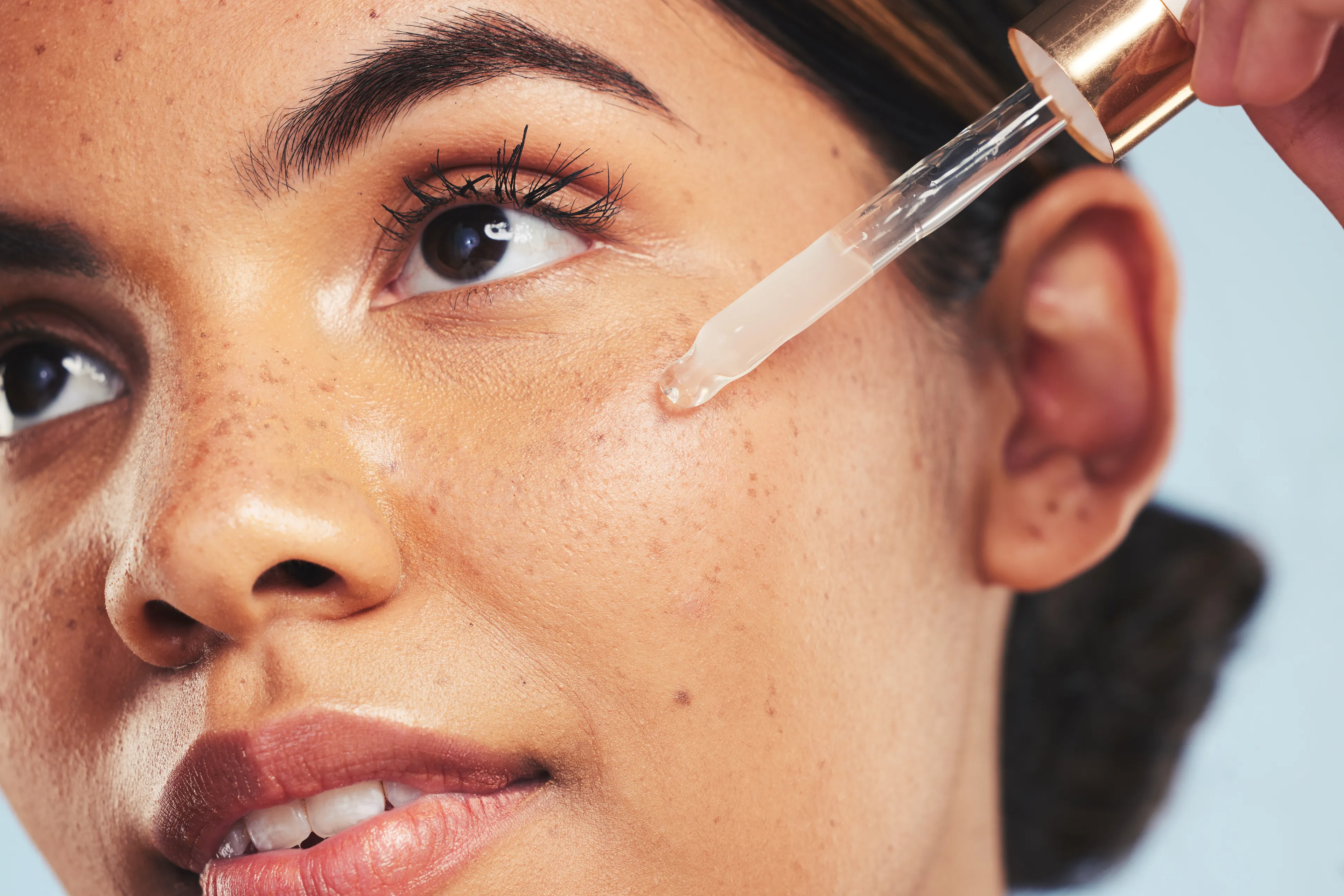
  • Apply the serum: Dispense the amount recommended on the product label and spread it gently over your face and neck, avoiding the eyes unless the product is specifically intended for that area.
  • Apply a moisturiser: Follow with a moisturiser to help reduce moisture loss and keep your skin comfortable.
  • Use sunscreen in the morning: Finish your morning routine with a broad-spectrum sunscreen with SPF 30 or higher.

Applying hyaluronic acid to slightly damp skin can be helpful, but it is not an absolute requirement. The effect depends on the product formulation and surrounding conditions. In a dry environment, a moisturiser is particularly useful because it helps limit moisture loss.

Should You Use Hyaluronic Acid Serum in the Morning or at Night?

You can generally use hyaluronic acid serum in the morning, evening or both, depending on your skin's needs and the product instructions.

In the morning, apply it after cleansing and before moisturiser and sunscreen. In the evening, use it after cleansing and follow it with moisturiser or night cream.

If you are introducing several skincare products, add them one at a time. This makes it easier to identify which product may be causing irritation.

Which Skin Types Can Benefit from Hyaluronic Acid Serum?

Hyaluronic acid can suit many skin types because it primarily supports hydration. However, the best formulation depends on your skin's needs and tolerance.

Dry Skin

If your skin feels rough, tight or flaky, hyaluronic acid may help attract moisture and improve comfort. Follow it with a moisturiser containing ingredients such as glycerin or ceramides to help reduce moisture loss.

Oily and Acne-Prone Skin

Oily skin can still become dehydrated, particularly when you use products that dry out the skin. A lightweight hyaluronic acid serum may help improve hydration without adding a heavy, oily feel.

Hyaluronic acid itself is not generally considered pore-clogging. However, the complete formulation matters, so choose a product that suits your skin and discontinue it if you notice persistent irritation or breakouts.

Sensitive Skin

Hyaluronic acid is generally well tolerated, but sensitive skin may react to other ingredients in a serum. Look for a simple formulation without unnecessary fragrance, and introduce it gradually.

Patch testing a new product may help identify some reactions, although it cannot guarantee that the product will not irritate your face.

Mature Skin

As skin changes with age, it may become drier and show more noticeable fine lines. Hyaluronic acid can help improve hydration and temporarily soften the appearance of dehydration-related lines. It should be considered a moisturising ingredient rather than a complete anti-ageing treatment.

For more options to support your daily routine, explore skincare products.

Can You Use Hyaluronic Acid Serum With Other Skincare Ingredients?

Hyaluronic acid is generally compatible with many common skincare ingredients. Combining products thoughtfully can help you address different skin concerns without making your routine unnecessarily complicated.

  • Niacinamide: Both ingredients can support skin hydration and comfort. They can generally be used together.
  • Vitamin C: Hyaluronic acid can be used alongside vitamin C in a routine focused on hydration and improving the appearance of uneven skin tone.
  • Retinoids: Hyaluronic acid may help relieve dryness associated with retinoid use. Introduce retinoids cautiously and follow the instructions for your specific product.
  • Exfoliating acids: Hyaluronic acid can complement exfoliating products by supporting hydration. Avoid overusing exfoliants, particularly if your skin becomes red, dry or irritated.
  • Moisturisers: Applying a moisturiser after the serum helps reduce moisture loss and supports skin comfort.

When using several products, follow the directions on each label. There is no universal application order for every formulation, although lighter serums are often applied before thicker creams. If you have a skin condition or use prescription treatments, consult your dermatologist before changing your routine.

What Are the Possible Side Effects of Hyaluronic Acid Serum?

Hyaluronic acid serum is generally well tolerated, but side effects can occur, particularly if your skin is sensitive or the product contains ingredients that do not suit you.

Possible reactions include:

  • Redness or stinging: This may occur if your skin is sensitive or the formulation contains irritating ingredients.
  • Dryness or tightness: Your skin may continue to feel dry if the serum is not suitable for your skin or is used without adequate moisturising.
  • Breakouts or congestion: These may be associated with other ingredients in the formulation rather than hyaluronic acid itself.
  • Allergic reactions: Rarely, a skincare product may cause itching, swelling, hives or a rash.

Stop using the product if you develop persistent irritation. Seek urgent medical attention if you experience facial or throat swelling, difficulty breathing or other signs of a serious allergic reaction.

If you develop severe or persistent side effects, consult your doctor promptly. In India, you may report adverse events to the Central Drugs Standard Control Organisation (CDSCO) through its pharmacovigilance reporting system.

Who Should Take Precautions Before Using Hyaluronic Acid Serum?

Most people can use a suitable hyaluronic acid serum, but certain situations call for additional care.

  • Known allergies or sensitivities: Check the complete ingredient list and avoid products containing ingredients that have caused reactions previously.
  • Active skin irritation: Avoid applying a new product to broken, infected or severely inflamed skin unless your healthcare professional advises otherwise.
  • Eczema or rosacea: If you have a skin condition that causes inflammation or sensitivity, choose products carefully and seek advice if symptoms worsen.
  • Pregnancy and breastfeeding: Topical hyaluronic acid is generally considered low risk. However, other ingredients in the serum may have different precautions, so check the complete formulation and consult your healthcare professional if you are unsure.
  • Persistent skin concerns: Hyaluronic acid is a moisturising ingredient, not a treatment for conditions such as severe acne, eczema or psoriasis. Seek medical advice if symptoms persist or worsen.

Always read the product label and follow the recommended method and frequency of use. If your skin becomes increasingly uncomfortable after introducing a serum, stop using it and seek advice if the symptoms do not settle.

Prescribing and Product Information

Hyaluronic acid face serums are cosmetic products rather than prescription medicines. They can support skin hydration but are not a substitute for medical treatment when you have a diagnosed skin condition.

Formulations vary, and some serums contain additional active ingredients with their own precautions. Check the ingredient list, usage instructions, storage recommendations and the period-after-opening symbol on the packaging. If your skin concern does not improve with appropriate skincare or becomes worse, consult a dermatologist.

Conclusion

Hyaluronic acid face serum can be a useful addition to your skincare routine if you want to improve hydration, reduce feelings of tightness and temporarily soften the appearance of fine lines caused by dehydration. It can suit many skin types and is generally compatible with common ingredients such as niacinamide and vitamin C.

For best results, use a suitable formulation, follow the product instructions and apply a moisturiser afterwards. Remember that hyaluronic acid mainly supports hydration rather than treating deeper wrinkles or medical skin conditions. If you experience persistent irritation or have concerns about a skin condition, seek advice from a dermatologist.

FAQs

Can hyaluronic acid serum be used with other active ingredients?

Yes. Hyaluronic acid can generally be used with ingredients such as niacinamide, vitamin C and retinoids. Introduce new products gradually, follow the instructions on each label and seek professional advice if you have sensitive skin or use prescription treatments.

How long does it take to see results from hyaluronic acid serum?

You may notice softer, more hydrated skin soon after application. The results vary with the formulation and your skin's condition. Continued use may help maintain hydration, but the plumping effect is temporary and depends on regular use.

Can teenagers use hyaluronic acid serum?

Generally, yes. Teenagers may find it useful if their skin feels dry or tight, including when using drying acne products. Choose a suitable formulation and remember that hyaluronic acid does not replace medical treatment when acne requires it.

Does hyaluronic acid serum expire?

Yes. Check the expiry date and the period-after-opening symbol on the packaging, which indicates how long the product should generally be used after opening. Follow the manufacturer's storage instructions and discard the serum if it has passed its expiry date or shows unexpected changes in smell, colour or texture.
Is hyaluronic acid serum suitable for oily skin?

Yes. Oily skin can still lack moisture, and a lightweight hyaluronic acid serum may help improve hydration without a heavy feel. Choose a formulation that suits your skin and follow it with a moisturiser if needed.

Apollo 247 Floating Action Button