logo
0

Iron-Fortified Infant Cereal: A Complete Guide for Parents

Learn about iron-fortified infant cereal, when to introduce it, how to prepare it safely, and how it can support your baby's iron needs after 6 months.

article image

Dr.Kamran

Starting solid foods is one of the most exciting milestones in a baby's first year, and choosing an infant cereal iron-fortified with the right nutrients can make a real difference to your child's long-term health. By the time a baby turns six months old, their iron needs outpace what breast milk alone can provide, making iron-rich complementary foods a priority. This guide covers everything parents need to know: why iron matters, how to read labels, how to prepare cereal safely, and when to call the doctor.

Why Iron Matters for Infant Growth and Development?

Iron is essential for producing haemoglobin, the protein in red blood cells that carries oxygen to every organ, including the developing brain. In the first six months of life, babies draw on iron stores built up during pregnancy. Around the six-month mark, those stores naturally begin to run low.

A full-term baby born to a well-nourished mother typically arrives with enough iron to last roughly six months. After that, dietary iron must bridge the gap.

What Happens When Babies Don't Get Enough Iron?

Iron deficiency is the most common nutritional deficiency in infants worldwide, and its effects go beyond tiredness. Baby iron deficiency signs can be subtle at first, which makes prevention through diet especially important. Low iron can affect:

  • Brain development and cognitive function
  • Motor skill milestones
  • Immune response
  • Appetite and overall growth rate

Because these baby iron deficiency signs often appear gradually, introducing iron-rich food for babies around six months is a preventive step, not just a response to an obvious problem.

What Makes a Cereal Iron-Fortified?

Food fortification means adding a nutrient to a product at levels higher than it naturally contains. For infant cereals, iron is blended into the cereal base during manufacturing so each serving delivers a meaningful amount of this mineral.

When you pick up a packet of infant cereal, check the nutrition label for elemental iron listed per serving. Most infant cereal iron-fortified products provide a substantial portion of a baby's daily iron requirement per serving, though the exact amount varies by brand and formulation.

Reading the label:

  • Look for "iron" or "ferrous sulphate" in the ingredients list.
  • The nutrition facts panel shows iron as a percentage of daily value or as milligrams per serving.
  • A higher percentage per serving is helpful, but a varied diet matters more than any single food.

Single-grain varieties tend to have cleaner ingredient lists, making it easier to confirm the iron content before moving to mixed-grain options.

When and How to Introduce Iron-Fortified Cereal?

Readiness Signs at Six Months

When to start baby cereal is a question almost every new parent asks. Guidelines generally recommend introducing solid foods at around six months of age for most healthy, full-term babies. Before offering any first foods for infants, watch for these readiness cues:

  • The baby sits upright with minimal support and holds their head steady.
  • They show interest in food: watching others eat, reaching toward plates.
  • The tongue-thrust reflex, which automatically pushes food out of the mouth, has faded.

Age alone is not the only marker. If your baby was born prematurely, discuss timing with your paediatrician, as readiness may come later.

Single-Grain Cereal First

Starting with a single grain cereal for babies, whether rice, oat, or barley, has one clear advantage: if an allergy or intolerance appears, you will know exactly which ingredient caused it. Introduce one new cereal for at least three to five days before adding another food.

Sequencing With Other First Foods

Iron-fortified cereal does not have to be the very first food, and there is no strict rule that rice cereal must come before vegetables or fruit. What matters is that iron-rich food for babies forms part of the early diet, whether through fortified cereal, pureed meat, or legumes. Your paediatrician can help plan a sequence that suits your baby's needs.

Preparation and Serving Guidelines

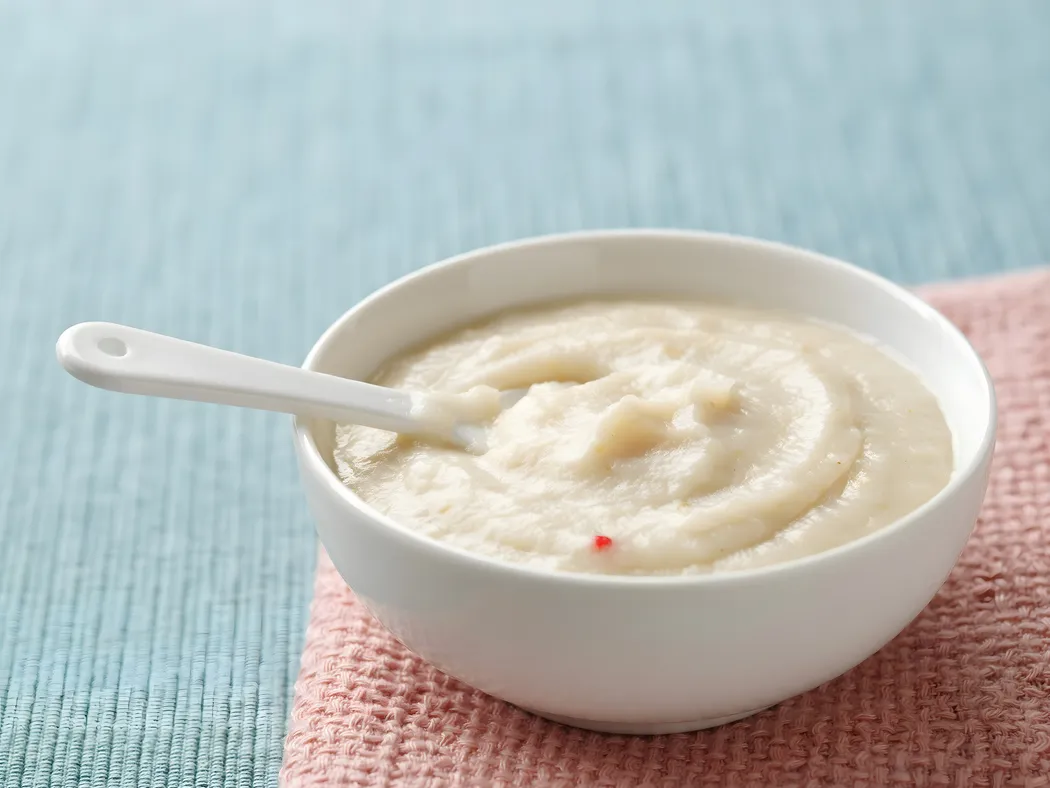
Knowing how to prepare baby cereal correctly keeps feeding safe and enjoyable. Clean hands and sterilised equipment are the starting point. Use freshly boiled water that has cooled to a safe temperature.

Basic mixing steps:

  1. Place the recommended amount of cereal in a clean bowl (typically one to two teaspoons when starting).
  2. Add expressed breast milk, formula, or cooled boiled water gradually.
  3. Stir to a thin, almost runny consistency for a first-time eater.
  4. Test the temperature on your wrist before offering it to your baby.

Texture progression: Start with a very loose, soupy texture. Over the following weeks, gradually thicken the mixture as your baby gets comfortable swallowing solids. By seven to eight months, many babies manage a thicker, spoonable porridge.

What never to add:

  • Honey, which carries a risk of infant botulism in children under one year.
  • Salt or sugar, which strain immature kidneys and set unhelpful taste preferences early on.
  • Cow's milk as the mixing liquid for babies under one year; formula or breast milk is preferred.

Always prepare cereal fresh and discard any uneaten portion after the feeding session. Do not refrigerate a half-eaten bowl.

Contraindications and When to Avoid or Delay?

Not every baby should start on fortified cereal without speaking to a doctor first. This section is not a substitute for medical advice; it highlights situations where a paediatrician should guide the decision.

Situations requiring medical guidance:

  • Premature birth: Preterm babies may need a different iron supplementation schedule. Their gut and immune system mature on a different timeline, and their iron requirements differ from full-term infants.
  • Known or suspected gastrointestinal conditions, such as poorly controlled reflux or suspected cow's milk protein allergy, where the formulation of a cereal may need to be reviewed.
  • A family history of coeliac disease, which may influence the choice of grain.
  • Existing iron overload conditions or metabolic disorders affecting iron absorption.

For families exploring newborn care essentials for new parents, speaking to a paediatrician early helps you prepare well before the six-month mark arrives.

Signs of Iron Overload or Allergic Reaction

Iron overload from dietary sources alone is rare in healthy infants, but it is worth knowing what to watch for, especially if a baby is receiving both fortified foods and iron drops.

Signs that may suggest too much iron:

  • Persistent dark or tarry stools beyond the newborn period
  • Severe or worsening constipation
  • Vomiting or significant stomach upset after feeds
  • Unusual lethargy or irritability

Signs of a possible allergic reaction to fortified cereal:

  • Rash, hives, or swelling around the mouth
  • Wheezing or difficulty breathing after a feed
  • Repeated vomiting or diarrhoea following a specific cereal

If any of these occur, stop the food and contact your doctor promptly. Report adverse events to your healthcare provider or the relevant regulatory authority.

Conclusion

Iron-fortified infant cereal can be a convenient way to provide iron as babies begin complementary foods around 6 months. Choose an age-appropriate cereal, prepare it safely, and gradually introduce different iron-rich foods such as meat, legumes and other fortified foods for a varied diet. If your baby was born prematurely, has a medical condition, or has specific nutritional needs, speak with a paediatrician before making dietary changes.

FAQS

Is iron-fortified cereal necessary for breastfed babies?

Breast milk contains very little iron, which is sufficient in the first six months when a baby relies on prenatal stores. After six months, those stores deplete, so an iron-fortified infant cereal or another reliable iron-rich food for babies becomes an important part of a breastfed baby's diet. Discuss specific needs with your paediatrician.

Can I mix baby cereal with formula instead of water?

Yes. Mixing cereal with prepared infant formula is a common and accepted practice. It adds familiar flavour and a small nutritional boost. Expressed breast milk works equally well. Avoid cow's milk as the mixing liquid for babies under twelve months.

How long can prepared baby cereal be stored?

Do not store prepared cereal. Once mixed and offered to your baby, discard any leftovers after the meal. Dry, unmixed cereal should be stored in a sealed container according to the packet instructions and used before the expiry date.

Does rice cereal cause constipation in babies?

Rice cereal can contribute to firmer stools in some babies because rice is low in fibre. If you notice hard stools or straining, try alternating with oat-based single grain cereal for babies, which is higher in fibre, and ensure adequate fluid intake. Mention persistent constipation to your paediatrician.

What's the difference between rice, oat, and multigrain baby cereal?

Rice cereal is the mildest and least allergenic, making it a traditional starting point. Oat cereal offers more fibre and a slightly nuttier flavour. Multigrain blends combine several grains and are better suited once your baby has already tolerated each grain individually. All three can be found as infant cereal iron-fortified options.

Apollo 247 Floating Action Button