Types of Infant Eye Drops: Prophylactic vs Medicinal
Prophylactic eye drops and medicinal eye drops serve very different purposes, and confusing them can be harmful.
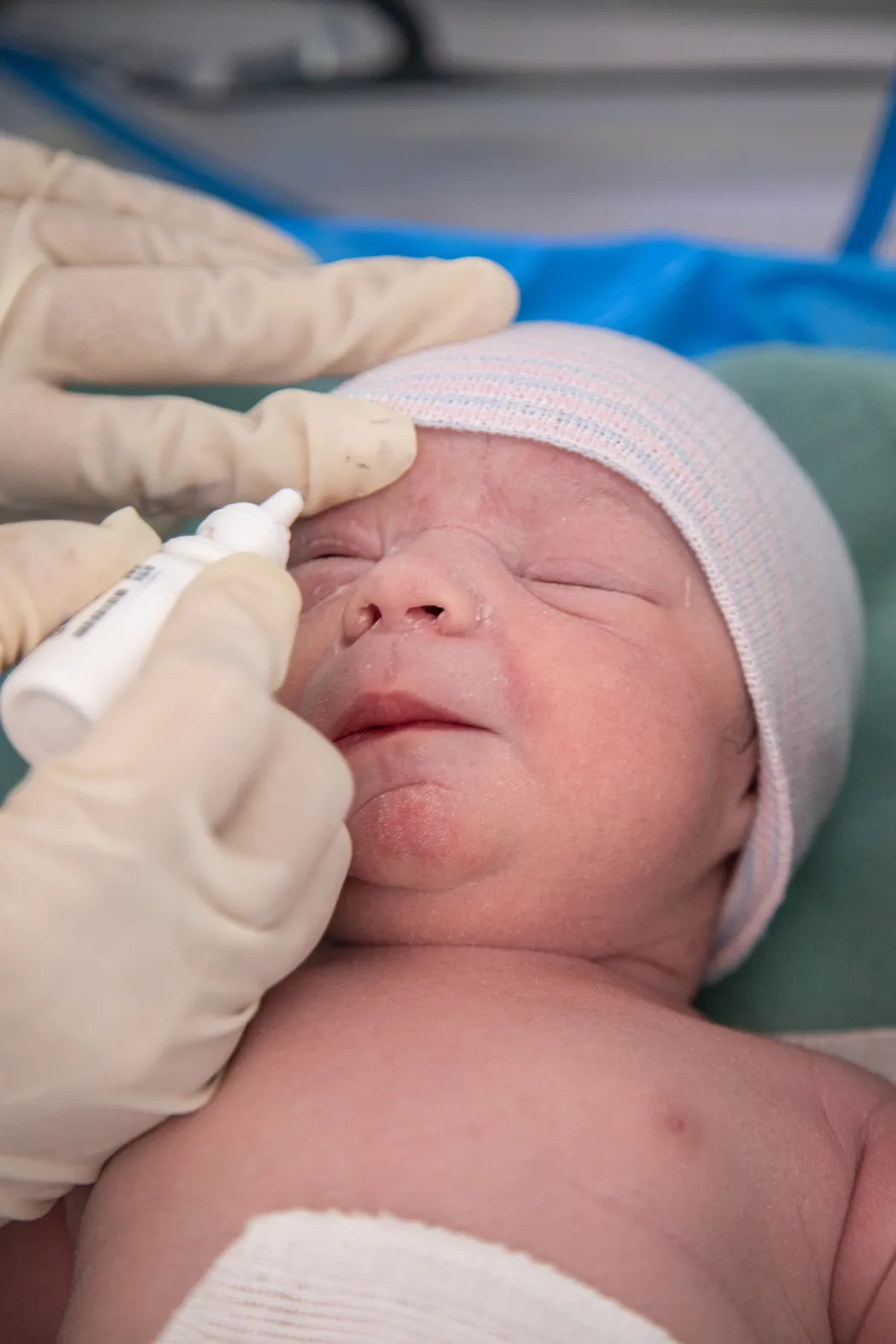
Prophylactic drops are given to healthy newborns purely as prevention. Erythromycin eye ointment (0.5%) is the standard example. It is applied once, immediately after birth, by trained hospital staff and does not require a separate prescription in that setting.
Medicinal drops are prescribed by a doctor to treat an active infection. Examples include antibiotic drops such as tobramycin or chloramphenicol eye drops for bacterial conjunctivitis, antiviral medication for certain viral infections given only under specialist care, and lubricating or saline drops to flush mild irritation.
Baby eye drops for infection should never be bought over the counter and self-administered without a diagnosis. The wrong drop can delay proper treatment or, in the case of steroid-containing drops, cause serious harm.