logo
0

Infant Formula Recalls and Safety

Learn how to check infant formula recalls, identify affected products, and follow essential safety steps to protect your baby from recalled formula.
 

article image

Dr. Mayank

Feeding your baby is one of the most meaningful ways you bond with and care for them. Whether you feed your little one exclusively with formula or use it to supplement breast milk, you deserve peace of mind knowing that what goes into their bottle is completely safe.

However, when news or social media rumors about an aptamil infant formula recall begin to circulate, it is entirely natural for parents and caregivers to feel anxious. In the world of parenting, safety alerts can feel overwhelming, leaving you with urgent questions about your baby’s nutrition and well-being.

This guide is designed to cut through the noise. We will cover the facts surrounding recent safety inquiries, explain the strict standards governing infant nutrition, and provide practical, medically backed advice on how to prepare formula safely and what to do if a recall ever affects your household.

Is Aptamil Safe for Babies? Understanding Formula Safety

First and foremost, parents want to know: is aptamil safe for babies?

The short answer is yes. Under normal circumstances, Aptamil is safe and meets strict nutritional and safety standards. Aptamil is manufactured by Danone, a global leader in pediatric nutrition. Infant formulas are among the most highly regulated food products in the world. Before any tub of formula reaches store shelves, it must undergo rigorous quality control testing to ensure it contains the precise balance of vitamins, minerals, proteins, and fats required for a growing baby, while remaining completely free of harmful contaminants.

However, no manufacturing process is completely immune to errors. From packaging defects to potential exposure to environmental bacteria, manufacturers occasionally issue recalls to protect public health. Understanding how and why these recalls happen can help you react calmly and effectively.

The Facts Behind the Aptamil Infant Formula Recall

When looking into the history of the aptamil infant formula recall, it is important to distinguish between active, urgent safety warnings and past precautionary measures.

In the food safety industry, recalls are usually preventative. This means that if a manufacturer detects even a minor variance in quality control or suspects a batch might have been exposed to moisture, they will recall the product before any illnesses are reported.

Whenever there is a danone infant formula recall, the company works directly with national food safety authorities—such as the Food and Drug Administration (FDA) in the United States, the Food Standards Agency (FSA) in the United Kingdom, or local health ministries—to immediately inform the public. If a danone recall infant formula notice is issued, it will specify the exact product names, batch numbers, and expiry dates affected. If your specific tub does not match these numbers, it is safe to use.

Regional Recalls: UK and India Safety Alerts

Because formulas are distributed globally, recalls are usually highly localised. A safety concern in one part of the world does not necessarily mean formulas sold in another country are affected.

UK Formula Safety Standards

When examining the history of the aptamil infant formula recall uk parents should know that the UK has incredibly stringent food safety laws. Most alerts in the UK regarding infant formula involve minor issues, such as changes in packaging design, labeling errors (for example, missing allergen declarations), or minor mixing issues that might make the powder difficult to dissolve. If you live in the UK, the Food Standards Agency (FSA) is the best official resource to check for active alerts.

India Formula Safety Regulations

Similarly, discussions regarding an aptamil infant formula recall India safety standards are closely monitored by the Food Safety and Standards Authority of India (FSSAI). In India, regulations on imported and domestically produced infant formulas are exceptionally strict to prevent contamination. If any batch fails to meet these local standards, it is immediately held at the port of entry or removed from shelves, ensuring that the products available to Indian consumers remain safe.

Understanding Botulism and Infant Formula Recalls

One of the most frightening terms a parent can encounter online is "botulism." Occasional rumors online link formula to this condition, which can lead to searches for an infant formula botulism recall. Let’s look at the science to understand what this means.

What is Infant Botulism?

Infant botulism is a rare but serious gastrointestinal illness caused by exposure to Clostridium botulinum spores. These bacteria can grow and produce toxins in a baby's digestive system. The most common dietary source of these spores is raw honey, which is why paediatricians advise never giving honey to babies under one year of age.

Has There Been an Infant Botulism Formula Recall?

Fears of an infant botulism formula recall often arise from historical abundance-of-caution alerts. For example, in 2013, a major global supplier raised a precautionary alarm about a potential botulism-causing bacteria in whey protein used by several brands. However, subsequent independent testing proved that the bacteria was actually a harmless, non-toxigenic strain.

While commercially processed powdered formula is not completely sterile, the high-heat manufacturing processes used by brands like Danone make the survival of Clostridium botulinum spores incredibly rare. The most common bacterial concerns associated with powdered formula recalls are actually Cronobacter sakazakii and Salmonella, which are environmental bacteria that can occasionally enter packaging facilities.

How to Check If Your Baby's Formula is Affected by a Recall

If you hear about an active aptamil infant formula recall, do not panic. Follow these simple steps to verify if the formula in your pantry is affected:

  1. Locate the Batch Details: Look at the bottom of your formula tub or can. You will find a batch number (a mix of letters and numbers) along with an expiration date.
  2. Check Official Sources: Avoid relying entirely on social media posts. Instead, visit the official Danone baby feeding website for your country, or check your local government's food safety portal (e.g., the FDA, UK FSA, or India's FSSAI).
  3. Compare the Numbers: The recall notice will list the specific batch numbers that are being recalled. If the batch number is not listed, the formula is safe to feed to your baby.
  4. Dispose or Return: If your batch number matches the recall list, immediately stop using it. Most retail stores or manufacturers will offer a full refund or exchange for recalled products.

Safe Powdered Formula Preparation Tips

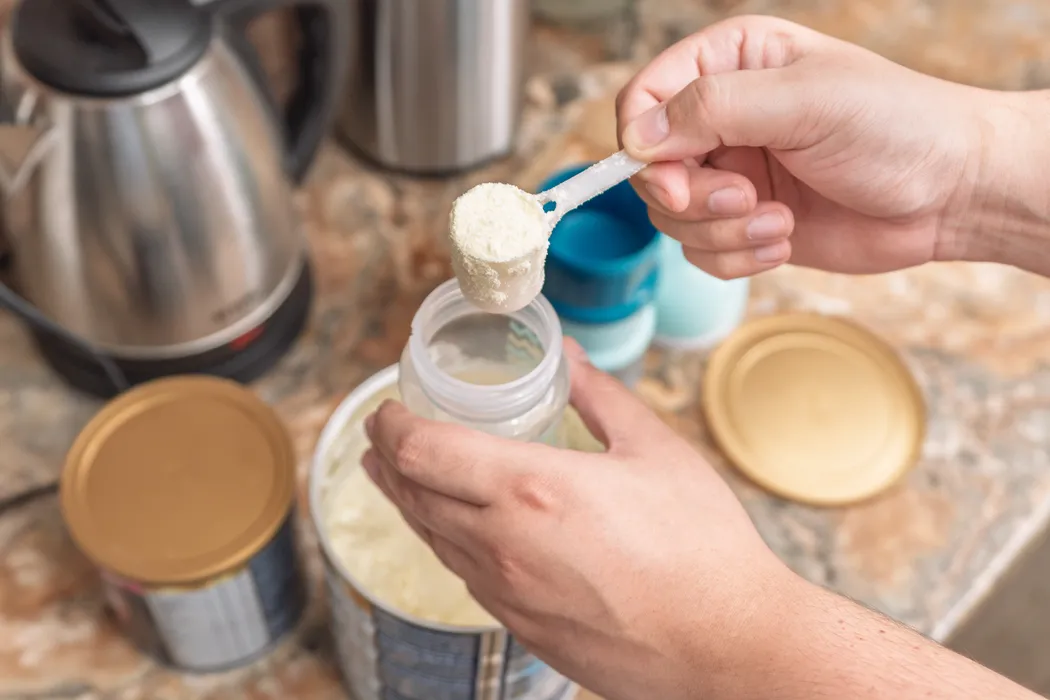
Because powdered infant formula is not a completely sterile product, how you prepare it at home plays a major role in keeping your baby safe from bacteria. Following these best practices, recommended by organisations like the World Health Organization (WHO) and the Centers for Disease Control and Prevention (CDC), can dramatically minimise safety risks:

  • Wash Your Hands: Always wash your hands thoroughly with soap and water for at least 20 seconds before preparing a bottle.
  • Sterilise Equipment: Clean and sterilise all bottles, nipples, rings, and preparation utensils before their first use, and sanitise them regularly.
  • Use Safe Water: Boil fresh tap water and let it cool for no more than 30 minutes (so it remains at least 70°C / 158°F). This temperature is hot enough to kill any harmful bacteria that might be present in the powder, without destroying the formula's nutrients.
  • Cool Before Feeding: Run the prepared bottle under cold tap water or place it in an ice bath to cool it down to body temperature. Always test the temperature on the inside of your wrist before feeding your baby.
  • Follow the 2-Hour Rule: Use prepared formula within two hours of mixing. If your baby does not finish a bottle, discard the leftover formula, as bacteria from your baby's saliva can quickly multiply in the milk.

FAQS

What should I do if my formula matches a recalled batch?

If your formula is part of an active aptamil infant formula recall, stop using it immediately. Do not attempt to use the rest of the tub. Keep the container to show the retailer or manufacturer for a refund, and switch to an alternative safe batch or brand.

Can infant formula cause botulism?

While theoretically possible if contaminated during or after manufacturing, commercially produced infant formula causing botulism is extremely rare. Strict food safety protocols are designed to eliminate Clostridium botulinum. To protect your baby from infant botulism, avoid giving them honey before their first birthday, and always prepare formula with clean water and sanitised bottles.

Why are some infant formulas recalled if they haven't made anyone sick?

Most recalls are precautionary. If a manufacturer’s internal safety testing finds a potential issue—such as a minor sanitary concern in the factory or a packaging seal defect—they will voluntarily recall the affected batches to prevent anyone from getting sick.

How can I stay updated on formula recalls?

You can sign up for email alerts on your local food safety authority's website (such as the FDA in the US, the FSA in the UK, or the FSSAI in India). Additionally, registering your contact details with the formula manufacturer when you buy products can help them contact you directly in the event of a safety notice.

What are the signs of bacterial illness in a baby?

If your baby has consumed recalled formula and develops symptoms such as a fever, extreme sleepiness, poor feeding, persistent crying, vomiting, or severe diarrhoea, contact your pediatrician or seek immediate medical care.

Conclusion

Infant formula recalls are generally precautionary measures taken to protect babies when a potential safety or quality concern is identified. Parents and caregivers can reduce risks by checking batch numbers against official recall notices, following safe formula preparation practices, and avoiding products that have been recalled. Staying informed through trusted food-safety authorities and manufacturers can help ensure that your baby receives safe and appropriate nutrition.

Apollo 247 Floating Action Button