logo
0

Infant Formula Without Sugar: Parent's Guide

Learn how to choose infant formula without added sugar, understand ingredient labels, and make safe feeding decisions for your baby.

article image

Dr.Nallapu Siri

Choosing the right formula for your baby can feel overwhelming, especially when ingredient lists read like chemistry notes. One concern coming up more often among Indian parents is added sugar in infant formula, and whether it affects a baby's teeth, weight, or taste preferences later in life. This guide breaks down what to look for, what to avoid, and how to make a confident, informed choice.

Why Added Sugar in Infant Formula Matters

Most parents assume that because formula is made for babies, every ingredient in it is automatically safe. The reality is more nuanced. Some formulas, particularly flavoured or specialty varieties, include added sugars like corn syrup solids, sucrose, or maltodextrin to improve palatability. Even in standard formulas, the type of carbohydrate used matters.

Early sugar exposure carries real risks:

  • Infants who regularly consume added sugars may develop a stronger preference for sweet foods as they grow, shaping eating habits well into childhood.
  • Excess sugar intake, even in infancy, is linked to higher calorie consumption and can contribute to unhealthy weight gain.
  • Paediatric dental organisations flag early sugar exposure as a contributing factor in primary tooth decay, often called baby bottle tooth decay or early childhood caries.

Formula can contribute to tooth decay, particularly when babies fall asleep with a bottle. Sugar from formula pools around the teeth and gums, creating an environment where harmful bacteria thrive. Formulas containing sucrose or corn syrup solids present a higher caries risk than those relying on lactose alone, making the search for infant formula without sugar a genuinely important one.

Lactose vs Added Sugars: Know the Difference

Not all sugar in formula is a problem. Lactose is the naturally occurring carbohydrate in breast milk and the primary carbohydrate in most standard cow's milk-based formulas. It supports calcium absorption, promotes beneficial gut bacteria, and provides steady energy.

Lactose in formula is not harmful for most babies. The real concern is the added sugars that manufacturers sometimes substitute or supplement it with to cut costs or improve taste. Understanding this distinction helps when looking for the best formula for baby without added sugar.

CarbohydrateOriginConcern level
LactoseNatural milk sugarLow - normal and beneficial
Corn syrup solidsProcessed starchHigh - added, high glycaemic
Sucrose    Table sugarTable sugarHigh - added, unnecessary
MaltodextrinProcessed starchModerate - added filler

A formula listing lactose as the only or primary carbohydrate is generally what you want. If corn syrup or sucrose appears near the top of the ingredient list, ask your doctor or pharmacist about alternatives.

How to Read a Formula Label for Hidden Sugars

Ingredients on a formula tin are listed in descending order by weight, so whatever appears first makes up the largest portion. This is your most useful tool when checking for a sugar-free baby formula.

Names to look out for on the ingredient list:

  • Corn syrup or corn syrup solids
  • Sucrose (plain table sugar)
  • Glucose syrup or glucose syrup solids
  • Maltodextrin (a high glycaemic index bulking agent)
  • Fructose or high-fructose corn syrup

A formula labelled as "no added sugar" should not contain any of the above. The label may still read "contains naturally occurring sugars," which refers to lactose and is perfectly fine.

If lactose appears first or second after the milk protein source, that is a good sign. If the first carbohydrate is corn syrup solids, treat it as a red flag and look for another option.

Knowing how to read infant formula labels takes practice. If a label still confuses you, ask a pharmacist at your nearest Apollo Pharmacy. They are trained to interpret these lists and can point you toward options suited to your baby's needs. You might also find Apollo's newborn care essentials guide helpful for broader guidance on caring for your baby in the early weeks.

Choosing the Right Formula: A Practical Checklist

There is no single best formula for baby without added sugar that works for every child. The right choice depends on your baby's age, any known intolerances, and your paediatrician's advice.

Use this checklist when comparing options:

  • Check the age range on the tin. Stage 1 is for 0 to 6 months, Stage 2 for 6 to 12 months, and Stage 3 for toddlers. Using the wrong stage can mean too many or too few nutrients.
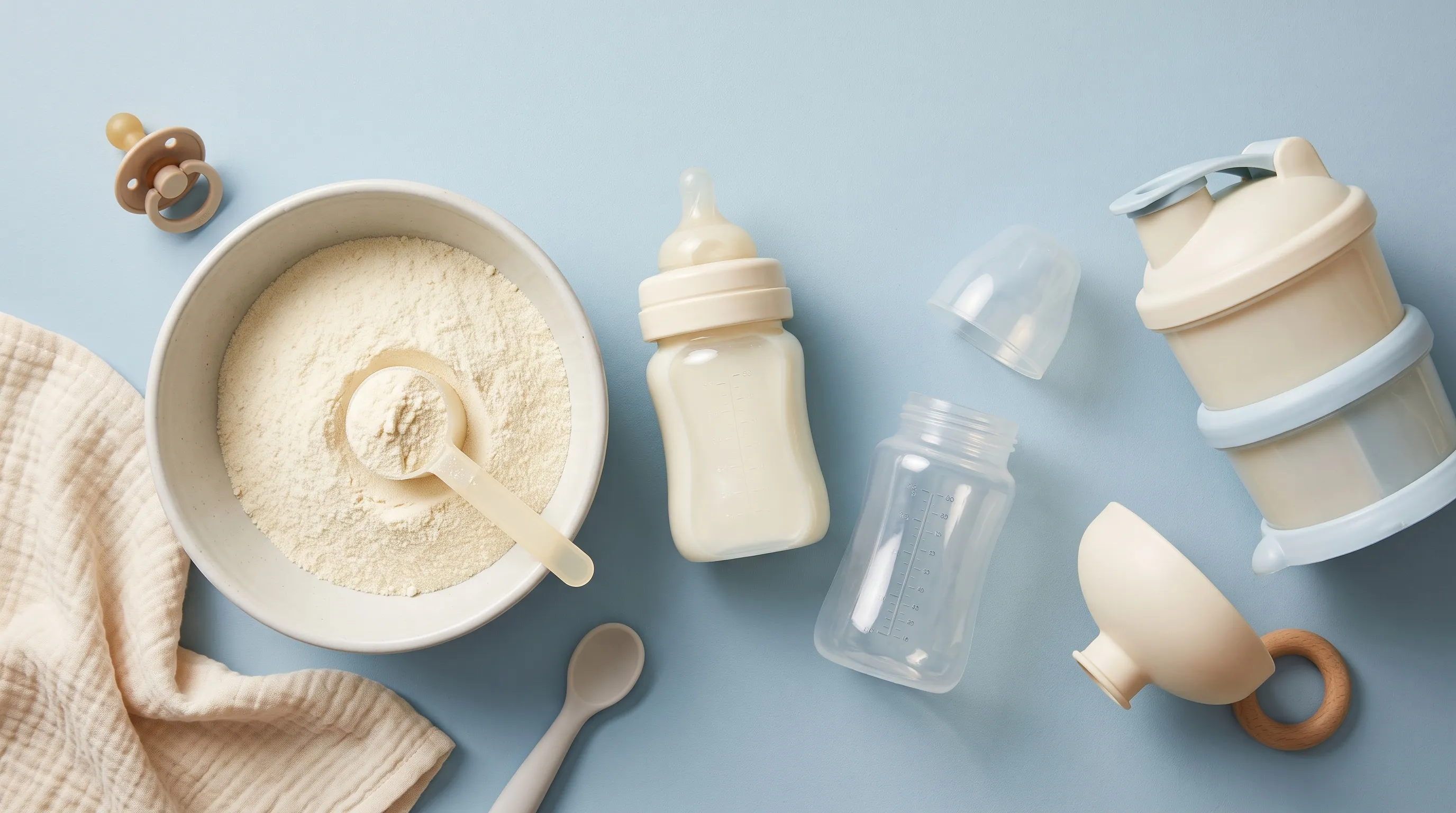
  • Confirm lactose is the primary carbohydrate and no added sugars appear among the first five ingredients.
  • Look for DHA, ARA, iron, and key vitamins, which are standard additions in India-sold formulas.
  • Consult your paediatrician before switching formulas, especially if your baby has had digestive issues or allergic reactions.
  • When switching, do it gradually over five to seven days by mixing increasing proportions of the new formula with the old one. Abrupt changes can cause gas, loose stools, or refusal to feed.

Avoid switching formulas based on advertising claims alone. "Premium" or "advanced" labelling does not automatically mean a product is lower in added sugars or better suited to your baby.

Contraindications and When to Avoid Certain Formulas

Standard cow's milk-based formula is not appropriate for every baby. Some infants need specialised formulas, and these should only be chosen under medical supervision.

Situations where standard formula may be contraindicated:

  • Cow's milk protein allergy (CMPA): requires an extensively hydrolysed or amino acid-based formula.
  • Lactose intolerance (rare in newborns but possible): requires a lactose-free formula using an alternative carbohydrate such as corn syrup or glucose syrup. In this specific case, added carbohydrates are medically necessary, not optional.
  • Premature or low-birth-weight babies: often need calorie- and protein-dense preterm formulas.
  • Metabolic disorders such as phenylketonuria (PKU): require highly specialised formulas with restricted amino acid profiles.

Never switch to a specialised formula based on a guess. An incorrect formula can cause nutritional gaps or worsen a condition. Always work with a paediatrician or neonatologist.

Report adverse events related to infant formula to your healthcare provider or the relevant regulatory authority.

Protecting Early Dental Health Beyond Formula Choice

Even when using infant formula without sugar, bottle-feeding habits matter enormously for dental health.

Practical steps to protect your baby's teeth and gums:

  • After each feed, gently wipe your baby's gums with a clean, damp cloth. Once teeth appear, use a soft infant toothbrush.
  • Never put your baby to bed with a bottle. When milk or formula pools in the mouth overnight, tooth decay risk rises significantly, regardless of the formula type.
  • Avoid propping the bottle and leaving your baby to feed unsupervised. Feeding time should involve holding and contact.
  • Introduce a cup for liquids around six months as complementary feeding begins, which reduces prolonged bottle exposure.
  • Schedule your baby's first dental visit around the time the first tooth appears or by their first birthday, whichever comes first.

These habits, combined with choosing a formula low in added sugars, give your baby's teeth the best start.

Conclusion

Choosing an infant formula without added sugar requires careful attention to ingredient labels, nutritional composition, and your baby's age-specific needs. Remember that lactose, a naturally occurring milk sugar, is different from added sugars such as sucrose or glucose syrup. Formula should provide the essential nutrients required for healthy growth and development, so avoid selecting products based only on their sugar content. Check the label for added sweeteners, follow preparation instructions carefully, and choose an age-appropriate formula that meets applicable nutritional standards. Consult a paediatrician before changing your baby's formula, particularly if your baby has allergies, feeding difficulties, or specific nutritional needs. Breast milk remains the recommended feeding choice whenever possible.

FAQS

Is there sugar-free baby formula available in India?

Yes, several formula brands sold in India list lactose as their only carbohydrate, with no sucrose or corn syrup solids added. Check the ingredient list carefully, and ask your pharmacist if you need help identifying a suitable option.

What is the difference between lactose and added sugar in formula?

Lactose is the naturally occurring sugar in breast milk and is nutritionally appropriate for infants. Added sugars like sucrose or corn syrup solids are processed sweeteners included for taste or cost reasons, and they carry higher risks for dental decay and unhealthy weight gain.

Can added sugar in formula cause obesity later?

Early and repeated exposure to sweet-tasting foods, including sweetened formulas, may condition a preference for sugary foods that persists into childhood, which is one factor associated with excess weight. Choosing a formula without added sugar is a reasonable step, alongside balanced complementary feeding as your baby grows.

How do I switch my baby to a formula without added sugar?

Consult your paediatrician first to confirm the new formula is age-appropriate and nutritionally complete. Then transition gradually over five to seven days, starting with a small proportion of the new formula mixed into the old, and slowly increasing the ratio.

Should I consult a doctor before changing formula?

Yes, always. What appears to be a simple intolerance could have an underlying cause that needs diagnosis, and some specialised formulas require medical supervision to use safely.

Apollo 247 Floating Action Button