logo
0

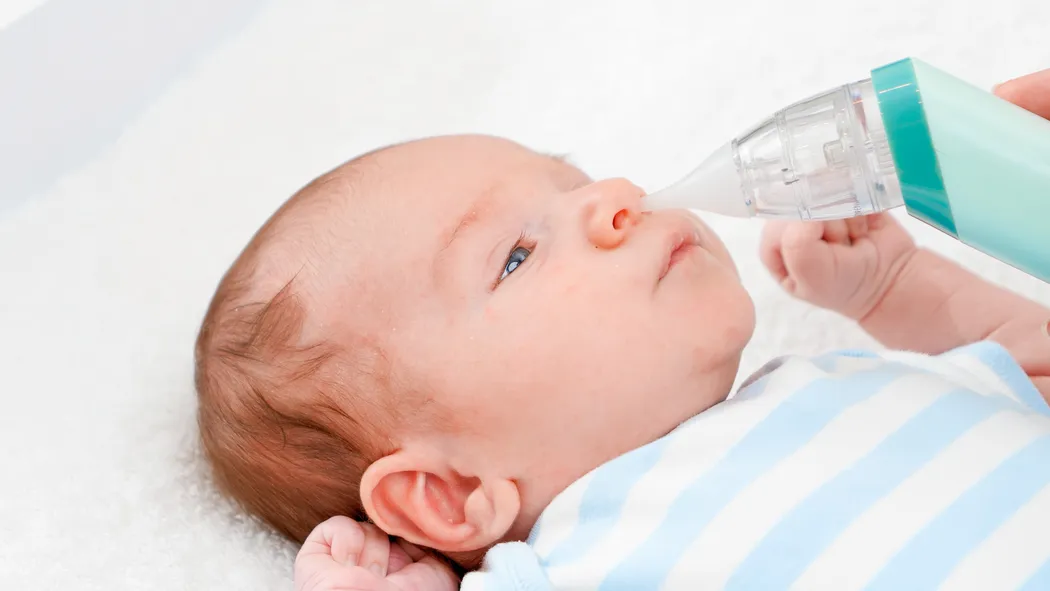
Infant Nose Suction: Guide to Clearing a Baby's Nose

Learn how to safely use infant nose suction devices, treat a stuffy nose, and clear nasal passages at home. Doctor-reviewed guidance for parents.

article image

Dr.Yusuf

Few things feel more helpless than watching your newborn struggle to breathe through a blocked nose. Infant nose suction is one of the most practical skills a new parent can learn, yet doing it incorrectly can irritate delicate nasal tissue or push mucus deeper. This guide walks you through safe techniques, the right tools, and honest guidance on when home care is enough and when your baby needs a doctor.

Why Infants Get Stuffy Noses?

Babies are obligate nasal breathers for the first few months of life, meaning they rely almost entirely on their noses to breathe. Their nasal passages are tiny, so even a small amount of mucus causes noticeable congestion. Understanding this helps explain why infant blocked nose treatment is such a common concern for new parents.

Common triggers include:

  • Viral upper respiratory infections (the common cold)
  • Dry indoor air, especially in winter or air-conditioned rooms
  • Dust, pet dander, smoke, or strong fragrances
  • Normal newborn mucus that builds up in the first weeks after birth
  • Swallowed amniotic fluid clearing out after delivery

Because their immune systems are still developing, infants catch colds frequently. Each episode can feel alarming, but most cases resolve with simple at-home care.

Types of Nasal Suction Devices for Babies

Choosing the right baby nasal aspirator makes the process gentler and more effective.

Bulb Syringe

The bulb syringe is the classic hospital-issued tool: a soft rubber bulb with a narrow tip. You squeeze the bulb before insertion, place the tip just inside one nostril, then slowly release to draw out mucus. It is widely available and inexpensive, but harder to clean thoroughly and offers less suction control.

Manual Mouth-Powered Aspirator

This device has a nosepiece, a collection chamber, and a tube the parent places in their mouth to control suction. A filter stops mucus from reaching the parent's mouth. Parents can modulate suction precisely, which makes it gentler for newborns. The collection chamber is visible and easy to clean.

Electric Nasal Aspirator

Battery-powered or rechargeable models deliver consistent, controlled suction at the press of a button. They are convenient for solo caregiving and a good option for babies who need frequent clearing during a heavy cold. Most have washable tips, though they cost more than the other options.

No single device is universally best. The safest aspirator is whichever one you can use correctly and clean reliably after every session.

How to Use a Nasal Aspirator Safely, Step by Step

Learning how to use a nasal bulb syringe or any aspirator correctly protects your baby's nasal lining. Knowing how to clear baby's stuffy nose without causing irritation comes down to preparation, gentle technique, and keeping the device clean.

Before you begin: Wash your hands thoroughly. Have saline drops and a clean cloth ready.

  1. Apply nasal saline drops for infants. Lay your baby on their back, tilt the head very slightly, and place 2 to 3 drops of isotonic saline in each nostril. Wait 30 to 60 seconds. Saline loosens and thins mucus, making suction far more effective.
  2. Position your baby securely. Hold them on your lap or lay them on a firm, flat surface. Keep their head still with your non-dominant hand, or ask a second caregiver to help.
  3. Prepare the device. For a bulb syringe, squeeze all the air out before insertion. For a mouth-powered aspirator, position the mouthpiece before bringing the nosepiece to the baby.
  4. Insert gently. Place the tip just inside the nostril opening. Do not push it deep into the nasal cavity. Angle it slightly toward the outer edge of the nostril, not straight up.
  5. Apply suction. For a bulb syringe, slowly release the bulb. For a mouth-powered device, apply gentle, steady suction with your breath. For an electric model, press the button and hold briefly.
  6. Remove and clear the device. Withdraw the tip, then empty or rinse before moving to the second nostril.
  7. Repeat on the other side. Never use the same uncleaned tip in both nostrils without rinsing between them.
  8. Soothe your baby. Suction is uncomfortable. Hold and comfort them immediately after.
  9. Clean the device. Rinse with warm soapy water and allow all parts to air-dry completely before storage.

Limit sessions to 2 to 3 times per day to avoid swelling of the nasal lining.

Home Remedies to Ease Nasal Congestion

These baby congestion home remedies support comfort and help the body clear mucus naturally. They complement infant nose suction but are not a substitute for medical care when your baby is seriously unwell.

  • Saline drops are the cornerstone of infant blocked nose treatment. Nasal saline drops for infants are safe even for newborns and can be used before feeds and sleep.
  • A cool-mist humidifier in the baby's room adds moisture to dry air, reducing mucus thickness. Clean the humidifier daily to prevent mould growth.
  • Keep your baby well-hydrated. Breast milk or formula (not water for babies under 6 months) supports thin, easier-to-clear secretions.
  • Gentle elevation during awake time, such as holding your baby upright on your shoulder, uses gravity to ease drainage. Do not prop the mattress or place pillows in the cot, as these are unsafe for sleeping infants.
  • Steam from a warm shower in a closed bathroom, with you holding the baby away from the water, can briefly loosen congestion.

You may find additional guidance in this newborn care essentials guide for managing early infant health at home. Some families explore ayurvedic remedies for cold relief as complementary comfort measures; always confirm with your paediatrician that any such remedy is appropriate for your baby's specific age before using it.
When to Call a Doctor?

Most infant nasal congestion clears within 7 to 10 days. Contact your doctor promptly if you notice:

  • Breathing that is rapid, laboured, or involves visible pulling in of the chest or ribs
  • A fever in a newborn under 3 months (seek care immediately)
  • Refusal to feed, or significant difficulty latching or sucking due to congestion
  • Mucus that is yellow-green and persists beyond a few days
  • Congestion lasting more than 10 days without improvement
  • Unusual lethargy, persistent crying, or signs of ear pain

Trust your instincts. If something feels wrong, call your paediatrician.

Contraindications and Safety Precautions

Infant nose suction is generally safe when done correctly, but there are important limits.

Who should be especially cautious:

  • Premature infants or babies with known nasal or airway abnormalities should only have suction performed under guidance from their care team.
  • Babies with frequent nosebleeds or known nasal injuries need medical assessment before home suction.

What to avoid:

  • Do not suction more than 3 times per day. Over-suctioning inflames the nasal lining and can worsen congestion.
  • Never use adult nasal decongestant sprays or drops on infants. These are not approved for babies and can cause serious side effects.
  • Do not use medicated nasal sprays of any kind without a doctor's instruction.
  • Avoid overusing saline drops, as excessive flushing can dry and irritate delicate tissue.
  • Always sterilise or thoroughly clean the baby nasal aspirator after every use. A dirty device reintroduces bacteria into the nostril.
  • Do not share suction devices between children.

Report adverse events to your healthcare provider or the relevant regulatory authority.

Conclusion

Infant nasal congestion is common, but gentle and appropriate care can make breathing, feeding, and sleeping more comfortable. Infant nose suction, particularly after using infant-safe saline drops, can help remove excess mucus when a baby's nose is blocked. Whether you use a bulb syringe, manual aspirator, or electric device, the key is to use gentle suction, avoid inserting the tip deeply, and clean the device thoroughly after every use.

Most cases of a blocked nose improve with simple supportive care, but parents should watch closely for signs of breathing difficulty, poor feeding, fever in babies under 3 months, unusual sleepiness, or symptoms that are not improving. When these warning signs occur, prompt medical assessment is important. If you are unsure about how to suction your baby's nose or whether it is appropriate for your child, speak with a paediatrician for personalised guidance.

FAQS

How often can I suction my baby's nose in a day?

Limit infant nose suction to 2 to 3 times daily. Suctioning more often inflames the nasal lining, which can make congestion worse. Use saline drops before each session to loosen mucus and reduce the number of suction attempts needed.

Can nose suction hurt my baby?

Done gently and correctly, it should not cause lasting harm, but it is uncomfortable and most babies cry during the process. Inserting the tip too deeply or suctioning too forcefully can irritate or graze the nasal lining, so use the lightest suction that effectively clears mucus.

What can I use instead of a bulb syringe?

A manual mouth-powered nasal aspirator or an electric nasal aspirator are both effective alternatives. Many parents find mouth-powered devices offer better suction control than a bulb syringe, making them gentler for newborns. All devices should be cleaned thoroughly after each use.

Is saline solution safe for newborns?

Yes. Isotonic (0.9%) nasal saline drops formulated for infants are safe for newborns. Use 2 to 3 drops per nostril before feeds or suctioning. Avoid hypertonic saline unless specifically prescribed by your doctor, and do not make homemade saline solutions.

How do I clean a nasal aspirator after use?

Disassemble all removable parts immediately after use and rinse under warm running water. Wash with mild soap, rinse thoroughly, then allow to air-dry completely before reassembling. Check the manufacturer's instructions, as some parts may be dishwasher-safe or require periodic sterilisation.

Apollo 247 Floating Action Button