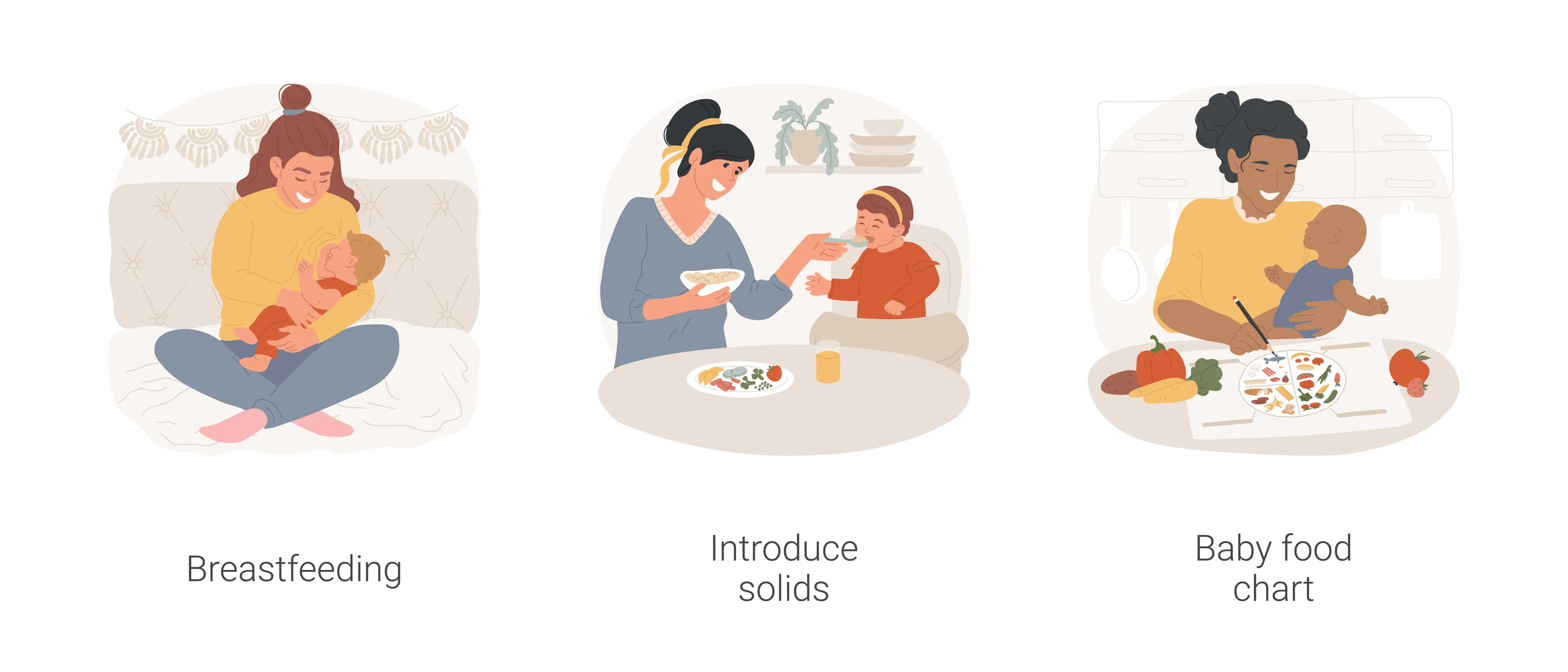
Explore infant nutrition at every stage, from breastfeeding and formula feeding to complementary foods and healthy eating habits.
Dr.J.T.Hema Prathima
Every decision you make about feeding in your baby's first year shapes how they grow, think, and fight infection. Infant nutrition in this window is not just about calories. It builds the brain, bones, and immune system in ways that echo through childhood and beyond. This guide walks you through each stage, from the first latch to that first spoonful of mashed food, with practical, evidence-based advice for Indian parents.
Why Infant Nutrition Matters in the First Year
The first 1,000 days of a child's life, counting from conception, are widely recognised as a critical period for development. In the months after birth, a baby's brain doubles in size and the gut lining matures rapidly. What they eat directly influences both processes.
Global health bodies recommend exclusive breastfeeding for the first six months, followed by continued breastfeeding alongside appropriately introduced solid foods up to two years or beyond. Getting infant nutrition right during this phase reduces the risk of infections, anaemia, and later conditions such as obesity and type 2 diabetes.
For most healthy, full-term babies, yes. Breast milk supplies the right balance of protein, fat, carbohydrates, and antibodies. It changes composition as the baby grows: colostrum in the first days is thick and packed with immunity proteins, while mature milk is more fluid and energy-dense.
A few nutrients deserve special attention:
Vitamin D is naturally low in breast milk, so a paediatrician may recommend a daily drop supplement for breastfed babies.
Vitamin B12 can be limited in breast milk if the mother follows a strict vegetarian or vegan diet; maternal supplementation is usually advised.
Iron stores from birth last roughly four to six months in a full-term baby, after which dietary iron becomes essential.
If breastfeeding is not possible or not chosen, iron-fortified infant formula is the safe, well-studied alternative.
How Much Formula Does a Newborn Need?
Newborns have tiny stomachs. As a general guide:
Weeks 1 to 4: roughly 60 to 90 ml per feed, every 2 to 3 hours
By 2 months: around 120 to 150 ml per feed, 6 to 8 times a day
By 4 months: around 150 to 180 ml per feed, 5 to 6 times a day
These are averages. Always follow your baby's hunger and fullness cues. A baby who turns away from the bottle or breast is telling you they are done.
Breast Milk vs Formula: A Practical View
Feature
Breast Milk
Iron-Fortified Formula
Antibodies
Present
Absent
Convenience
Requires feeding access
Any caregiver can prepare
Cost
Free
Ongoing cost
Vitamin D
Low; often needs a supplement
Usually added
Both choices can support healthy growth. The goal is a well-fed, thriving baby.
6 to 12 Months: Introducing Solid Foods
How Do I Know My Baby Is Ready for Solids?
Knowing when to start solid foods matters as much as knowing what to give. Most babies show readiness cues around six months. Watch for:
Sitting up with minimal support and holding the head steady
Showing clear interest in food, such as reaching toward what you eat
Loss of the tongue-thrust reflex, meaning they no longer automatically push food out
Rough doubling of birth weight (an indicator, not a strict rule)
Starting solid foods before four months is not recommended. It can increase the risk of choking and digestive upset, and the gut simply is not ready.
What Are the Best First Foods for a Baby?
When you start weaning, single-ingredient purees are easiest. Good early options for Indian families include:
Mashed ripe banana, papaya, or steamed apple
Well-cooked and mashed moong dal or masoor dal
Rice or ragi porridge made with breast milk or water
Pureed cooked vegetables such as carrot, sweet potato, or pumpkin
Ragi (finger millet) is worth highlighting. It is rich in calcium and iron and is widely used in traditional Indian infant feeding, making it an excellent baby weaning food for families here. Introducing a variety of tastes early also helps reduce fussiness later.
Texture Progression
Age
Texture Goal
6 to 7 months
Smooth purees, thin porridges
7 to 9 months
Mashed food with soft lumps
9 to 12 months
Soft chopped pieces, finger foods
Progress at your baby's pace, not a fixed calendar. Some babies move through textures quickly; others need more time at each stage.
Iron-Rich Foods Are a Priority
Iron stores from birth begin to deplete around six months. Prioritising iron-rich foods at this stage is one of the most important things a parent can do:
Pureed meat, chicken, or fish
Cooked and mashed legumes such as dal, rajma, or chhole
Finely pureed spinach or other green leafy vegetables
Iron-fortified infant cereals
Pairing iron-rich foods with a small amount of vitamin C, such as a spoon of tomato puree or a few drops of lime juice, improves absorption meaningfully.
Key Nutrients Infants Need at Each Stage
These are the core nutritional needs of infants across the first year. Your paediatrician can advise whether supplements are needed based on your baby's diet, growth trajectory, and blood results.
Nutrient
Why It Matters
Main Food Sources
Stage
Iron
Brain development, prevents anaemia
Dal, meat, fortified cereals
6 months onwards
Vitamin D
Bone strength
Sunlight exposure, drops on doctor's advice
Birth onwards
DHA (Omega-3)
Brain and retinal development
Breast milk, oily fish, DHA-fortified formula
Birth onwards
Zinc
Immunity, tissue growth
Meat, legumes, whole grains
6 months onwards
Calcium
Bone and teeth formation
Breast milk, formula, ragi, dairy after 12 months
All stages
Regarding DHA specifically: breast milk from a well-nourished mother provides DHA naturally. For formula-fed babies, choosing a DHA-fortified formula is reasonable. Once solids begin, small amounts of oily fish (such as rohu or salmon, deboned and pureed) two to three times a week can contribute meaningfully. Supplementation beyond food sources should only be started on a paediatrician's advice, as evidence for routine infant DHA drops in healthy, well-fed babies is still evolving.
Foods and Practices to Avoid in Infants
Certain foods and habits carry real risks for babies under 12 months:
Honey: Can contain bacterial spores that cause infant botulism, a serious illness. Avoid it entirely before the first birthday.
Cow's Milk: Is not suitable as a main drink before 12 months. Small amounts in cooking, such as in kheer or porridge, are generally fine after six months, but it should not replace breast milk or infant formula.
Added Salt and Sugar: Should not be added to baby food. Infant kidneys cannot handle excess salt, and early exposure to added sugar can establish unhelpful taste preferences.
Whole Nuts and Hard Raw Vegetables: Are choking hazards. Offer nut butters thinly spread or very finely ground nuts mixed into porridge.
Fruit Juices: Even fresh ones offer little nutritional value for infants and can displace more nutrient-dense foods.
Contraindications and When to Consult a Doctor
Infant nutrition guidance applies to generally healthy, full-term babies. Speak with a paediatrician before making feeding changes if your baby:
Was born prematurely or had a low birth weight
Has been diagnosed with a milk protein allergy, lactose intolerance, or another metabolic condition
Shows signs of gastro-oesophageal reflux, such as persistent vomiting, arching after feeds, or poor weight gain
Develops hives, swelling, or breathing difficulty after any new food, which may signal an allergic reaction
Is not regaining birth weight by two weeks of age, or falls significantly on their growth chart
These situations need personalised medical guidance, not general online advice. Report adverse events to your healthcare provider or the relevant regulatory authority.
Infant nutrition plays a vital role in healthy growth and development, from the early months of breastfeeding or formula feeding to the introduction of solid foods around six months. During the first six months, exclusive breastfeeding is recommended whenever possible, while appropriate infant formula can be used when needed. As your baby grows, introduce a variety of nutrient-rich complementary foods, including fruits, vegetables, cereals, pulses, and iron-rich options. Gradually increase food textures and encourage responsive feeding based on your baby's hunger and fullness cues. Continue breast milk or age-appropriate formula alongside solid foods, avoid choking hazards, and do not give honey before 12 months. Consult a paediatrician for guidance on feeding milestones, nutritional needs, and any concerns about your baby's growth.
FAQS
When should I start giving water to my baby?
Plain water is not needed before six months; breast milk or formula provides all the fluid a baby needs. After six months, small sips of water with meals are fine, but milk feeds remain the primary source of hydration through the first year.
How many times a day should I feed my 6-month-old?
At six months, most babies have two to three small solid meals a day alongside their usual breast milk or formula feeds. Milk remains the main source of nutrition; solids are about learning at this age.
Can I mix breast milk and formula?
Yes, you can offer both in the same feeding period, though mixing them in the same bottle is generally not recommended as it can waste breast milk if the feed is unfinished. Offer one, then the other, based on what works for you.
What is the best age to introduce eggs or nuts?
Current guidance suggests introducing common allergens, including well-cooked egg and finely ground nuts, from around six months alongside other first foods for babies. Early introduction, rather than delay, is now thought to reduce allergy risk. Introduce one new food at a time and watch for reactions over 24 to 48 hours.
How do I know if my baby is getting enough nutrition?
Steady weight gain along their growth curve, regular wet nappies (six or more a day in the early months), and an alert, active baby are the clearest signs. If you are uncertain, your paediatrician can review the growth chart at routine check-ups.