logo
0

Infant Nutrition: A Stage-by-Stage Feeding Guide

Learn how to feed your baby at every stage, from milk feeding to complementary foods, with age-appropriate textures, meal frequency, nutrition and safety tips.

article image

Dr.Bhanu Prakash

Getting infant nutrition right in the first two years of life shapes a child's growth, immunity, and brain development in ways that last a lifetime. Yet for new parents, the questions can feel overwhelming: when to start solids, which supplements are actually needed, and which foods to avoid entirely. This guide walks through each stage clearly, so you can feed your baby with confidence.

How Infant Nutrition Needs Change by Age

Infant nutrition by age falls into three broad stages, each with its own rules about what is safe, what is necessary, and what to watch for.

  • 0 to 6 months: The gut is immature; only breast milk or infant formula is appropriate.
  • 6 to 12 months: Breast milk or formula stays central, but solid foods bridge growing nutrient gaps, especially iron and zinc.
  • 12 months and beyond: The baby moves toward family foods, with milk continuing in a supporting role.

Skipping ahead or delaying transitions can both carry risks. Understanding each stage helps parents make confident, informed choices rather than guessing.

0-6 Months: Exclusive Breastfeeding or Formula

For the first six months, breast milk alone provides everything a healthy, full-term baby needs, including water. The World Health Organization recommends exclusive breastfeeding for this entire period. No water, juice, or solids are necessary or safe before six months because a baby's kidneys and digestive system are simply not ready.

Breastfeeding nutrition needs are met when the mother eats a varied, balanced diet. What a mother eats directly affects milk quality, so particular attention to calcium, iron, iodine, and vitamin B12 is worthwhile during this period.

When breastfeeding is not possible, commercially prepared infant formula is the right alternative. Infant formula nutrition is carefully regulated to match the composition of breast milk as closely as possible, and an iron-fortified formula is the standard recommendation. Homemade formula, diluted cow's milk, and plant-based milks are not safe substitutes for infants under 12 months.

A note on water: Breast milk and formula both contain enough fluid. Giving water to a young infant can dilute electrolytes and cause a dangerous condition called hyponatremia. Wait until solids begin.

6-12 Months: Starting Solids and Key Nutrients

Around six months, most babies show readiness for solids: they can sit with support, hold their head steady, show interest in food, and have lost the tongue-thrust reflex. This is the complementary feeding window, where solid foods supply nutrients that breast milk alone can no longer provide in sufficient amounts.

What to Introduce First

A complementary feeding guide does not need to be complicated. Good first baby foods at 6 months include:

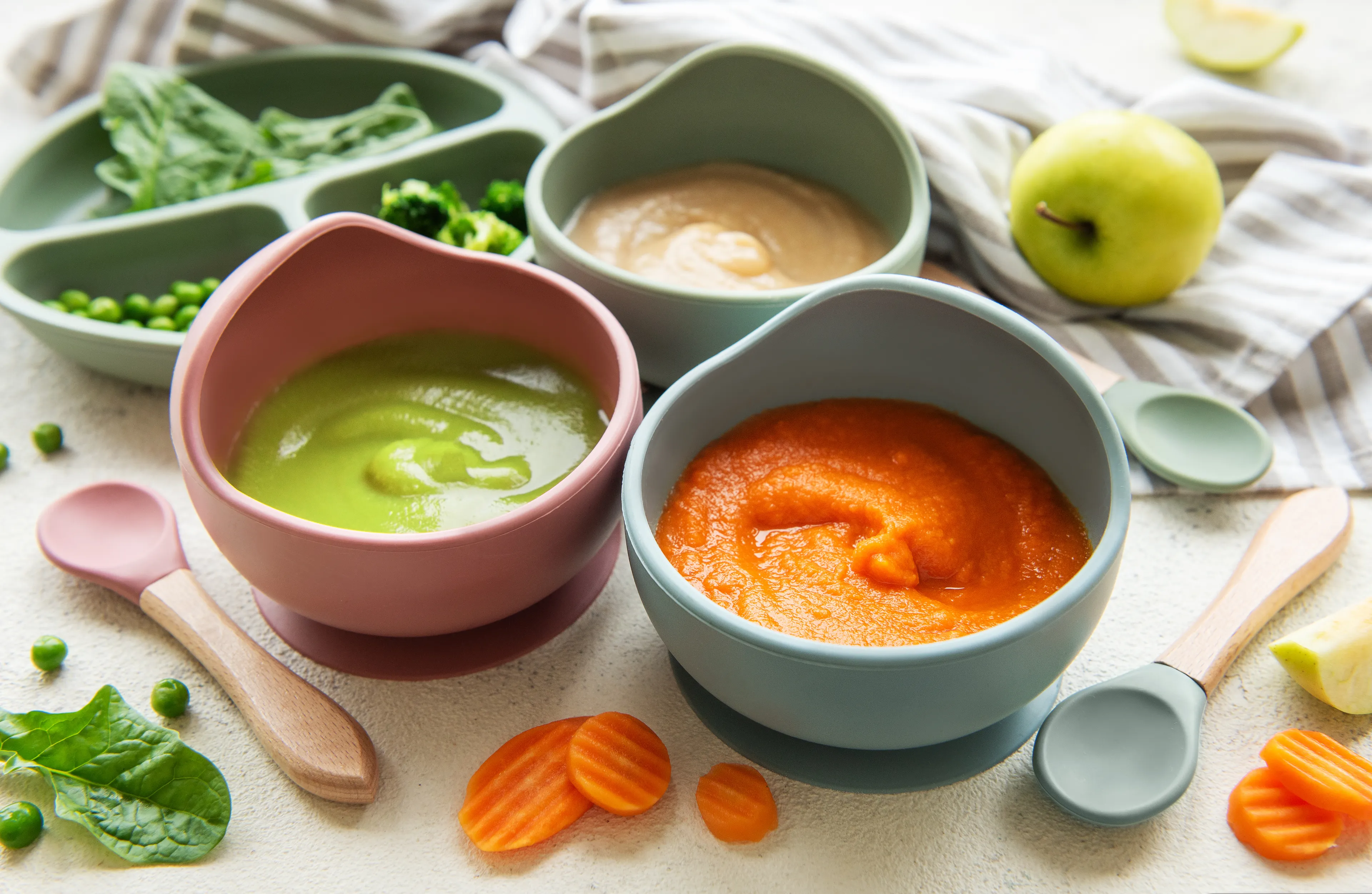
  • Mashed or pureed vegetables such as sweet potato, pumpkin, and carrot
  • Soft-cooked and mashed lentils or dal
  • Pureed fruits: banana, ripe mango, cooked apple
  • Iron-rich options: pureed meat, chicken, or well-cooked egg yolk
  • Fortified infant cereals such as rice or ragi porridge prepared with breast milk or formula

Introduce one new food every three to five days and watch for any reaction before adding the next.

Why Iron Matters So Much

From around six months, a baby's iron stores from birth begin to run low. Breast milk contains only small amounts of iron, so dietary sources become critical. Iron supplementation in infants may be needed if dietary intake is inadequate; a paediatrician will assess this individually.

Good food sources of iron include pureed chicken or meat, mashed green leafy vegetables like spinach and fenugreek leaves, dal and legumes, and ragi (finger millet), which is popular in Indian households for good reason. Pairing iron-rich foods with vitamin C-rich foods such as tomato, lime juice, or amla improves absorption.

Zinc and Protein

Zinc supports immune function and growth. Eggs and chicken supply both zinc and complete protein. For vegetarian families, combinations like dal-rice or khichdi provide a reasonable amino acid profile. Gradually increase texture from purees to mashed to soft lumpy food as oral skills develop.

Breast milk or formula should still provide the majority of calories at this stage, roughly 600 to 700 ml per day alongside solids. As your baby's needs broaden, it also helps to review newborn care essentials beyond nutrition to keep the full picture of development in mind.

12+ Months: Transitioning to Family Foods

By one year, most babies can eat a wide variety of soft family foods. Texture progresses from mashed to chopped to small pieces of what the rest of the family eats. Portion sizes are small: a few tablespoons per food group at each meal, offered three to four times a day with one or two healthy snacks.

Cow's milk can be introduced as a drink after 12 months, not before, but breast milk remains an excellent continued source of nutrition and immunity for as long as mother and baby wish to continue.

A balanced plate for a toddler includes grains, a protein source, vegetables, fruit, and a dairy product at most meals. Variety across the week matters more than perfection at any single sitting.

Vitamin and Mineral Supplementation in Infants

Vitamin D Drops for Infants

Most infants, whether breastfed or formula-fed, benefit from vitamin D supplementation. Breast milk carries very little vitamin D, and in India, despite plentiful sunlight, factors such as clothing practices, indoor lifestyles, and air pollution mean many babies do not produce enough through skin exposure alone.

Paediatricians generally recommend vitamin D drops for infants starting within the first few weeks of life. The dose depends on age, weight, sun exposure, and diet; always follow your paediatrician's guidance rather than self-prescribing. Excessive vitamin D can cause hypercalcemia, with symptoms including poor appetite, vomiting, and excessive thirst. If you notice these signs after starting drops, stop supplementation and consult your doctor promptly. Report adverse events to your healthcare provider or the relevant regulatory authority.

Iron Supplementation in Infants

Full-term breastfed babies who are not getting adequate iron from complementary foods may need iron drops from around six months. Premature infants often require iron supplementation earlier, sometimes from four to six weeks of age.

Iron supplements must only be given under paediatrician supervision. Too much iron is harmful and can be toxic, particularly in young children. Signs of excess include dark stools, constipation, vomiting, and in severe cases, organ damage. Report any concerning symptoms to your healthcare provider immediately and keep iron supplements locked away from older siblings. Report adverse events to your healthcare provider or the relevant regulatory authority.

Formula-fed babies consuming adequate volumes of iron-fortified formula typically do not need additional iron drops; check with your doctor before adding any supplement.

Contraindications and Foods to Avoid

Some foods are genuinely unsafe for infants and must be avoided:

  • Honey: Honey should not be given before 12 months because it carries a risk of infant botulism, a serious and potentially fatal illness.
  • Cow's Milk as a Main Drink: Cow's milk should not be given as a main drink before 12 months because it does not provide the appropriate nutrient balance and may strain immature kidneys.
  • Whole Nuts and Hard Chunks: Whole nuts and hard chunks of raw vegetables or fruit are choking hazards for children under 3 years. Nut butters can be thinned with water instead.
  • Salt and Sugar: Salt and sugar should not be added to infant foods. Excess salt can be difficult for infant kidneys to handle, while early sugar exposure may influence taste preferences.
  • Allergens: Foods such as peanuts, eggs, fish, and wheat can be introduced from around 6 months alongside other foods. Introduce them one at a time and watch for reactions. Delaying their introduction does not reduce allergy risk and may increase it.

Signs of Nutritional Deficiency to Watch For

These are red flags that warrant a prompt paediatrician visit, not self-diagnosis or home treatment:

  • Poor weight gain or falling off the growth curve
  • Persistent pallor of the lips, gums, or inner eyelids (possible iron-deficiency anaemia)
  • Bowing of the legs or a soft skull (possible rickets from vitamin D deficiency)
  • Unusual fatigue, irritability, or poor feeding
  • Swollen abdomen with thin limbs
  • Hair loss or sparse, brittle hair

If you notice any of these signs, see a paediatrician promptly. Nutritional deficiencies in infancy are treatable, but early action matters.

Conclusion

Good infant nutrition changes as your baby grows, so feeding should progress from breast milk or infant formula in the first six months to complementary foods around six months and a varied family diet after 12 months. Focus on nutrient-rich foods, especially sources of iron and zinc, while gradually increasing food textures as your baby develops. Avoid unsafe foods such as honey, whole nuts, and added salt or sugar, and introduce common allergens carefully. Because every baby has different nutritional needs, consult a paediatrician for personalised guidance on feeding, supplements, growth, or any signs of nutritional deficiency.

FAQS

How much milk should an infant drink per day?

From birth to 6 months, breast milk or formula is the only food and is offered on demand, roughly 8 to 12 feeds per day for a newborn. Between 6 and 12 months, around 600 to 700 ml of formula or equivalent breastfeeds per day is typical alongside growing solid-food intake.

Can infants be vegetarian or vegan?

A well-planned vegetarian diet can meet an infant's needs, but a vegan diet carries real risks of deficiency in vitamin B12, iron, zinc, calcium, and omega-3 fatty acids. Always work with a paediatrician or dietitian before raising an infant on a vegan diet.

What is the best first food for babies?

There is no single best first food. Iron-rich options such as pureed chicken, dal, or fortified cereal are particularly valuable at 6 months because iron stores from birth are running low. Pair these with pureed vegetables or fruit for variety.

How do I know if my baby is getting enough nutrition?

Consistent weight gain, meeting developmental milestones, adequate wet nappies (6 or more per day in early months), and a generally alert and content baby are all reassuring signs. Your paediatrician will track growth on a standard chart at each well-child visit.

Are supplements necessary for breastfed babies?

Vitamin D supplementation is recommended for most breastfed infants from the early weeks of life, as breast milk contains very little. Iron supplementation in infants may also be needed from 6 months if complementary foods are not providing enough; your paediatrician will advise based on your baby's individual assessment.

Apollo 247 Floating Action Button