logo
0

Infant Teething Age: Timeline, Signs & Feeding Guide

Know the typical infant teething age, symptoms to watch for, and safe food modifications. Doctor-reviewed guidance for parents. Read now.


article image

Dr. Mayank

Every new parent watches their baby's mouth closely, wondering when that first tiny tooth will appear. Understanding infant teething age helps you know what to expect, recognize genuine discomfort, and tell apart normal teething fussiness from symptoms that need medical attention. The good news: most of what babies go through during teething is manageable at home, once you know what you are dealing with.

When Does Teething Start? Typical Age Timeline

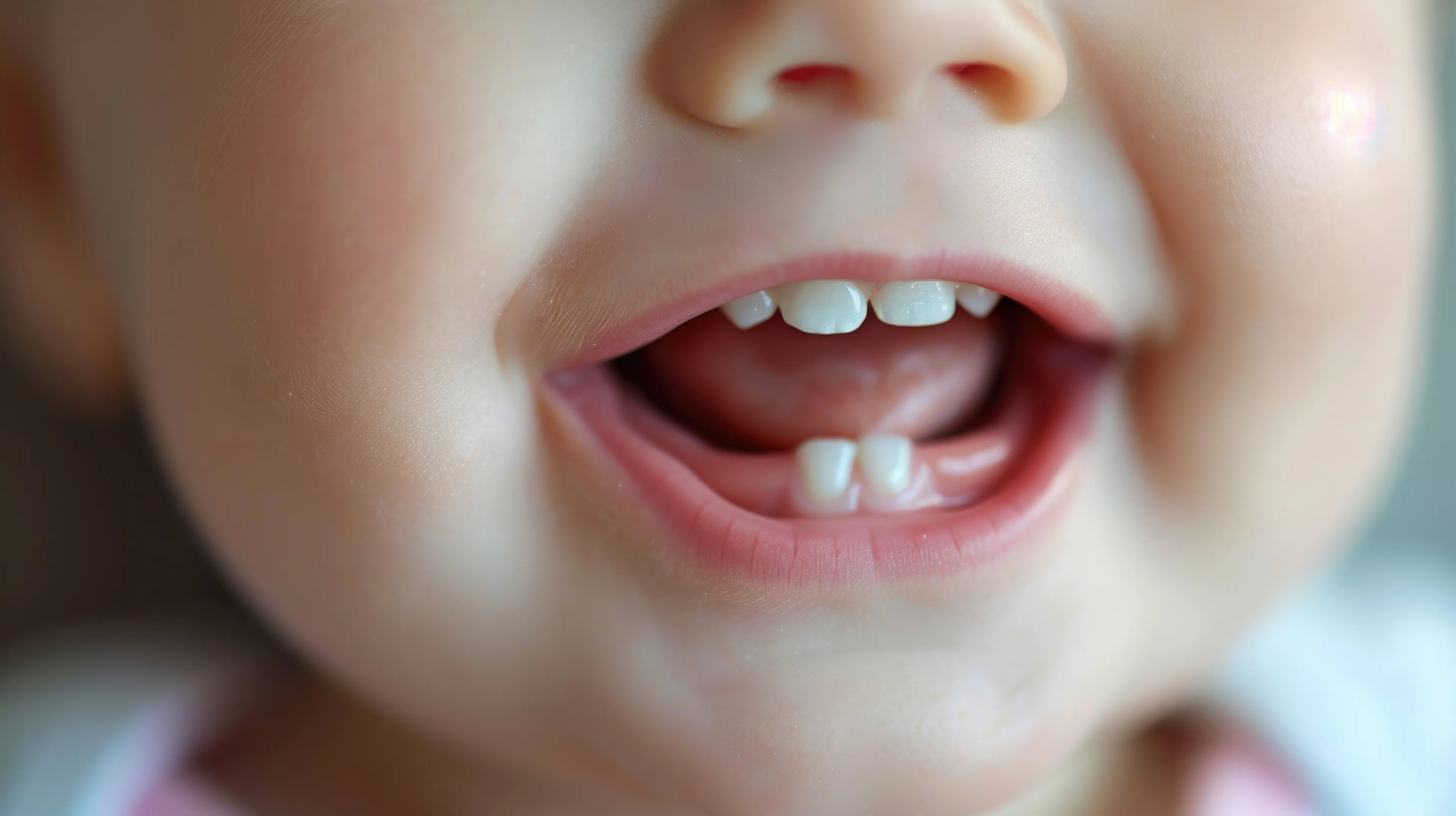
Most babies cut their first tooth somewhere between 4 and 7 months of age, though the range of what is considered normal is quite wide. Some babies show their first tooth as early as 3 months; others cross the 12-month mark before anything breaks through. Neither extreme is automatically a cause for concern.

Typical eruption order:

  • Lower central incisors (bottom front teeth) usually arrive first, around 6 to 10 months
  • Upper central incisors follow, around 8 to 12 months
  • Upper and lower lateral incisors come in between 9 and 16 months
  • First molars typically appear between 13 and 19 months
  • Canines (pointed teeth) around 16 to 23 months
  • Second molars usually complete the set by 25 to 33 months

Most children have all 20 primary teeth by their third birthday. If you are tracking the baby teething timeline for your child, use this order as a rough guide rather than a strict schedule. Every child has their own pace.

Is Early or Late Teething Normal?

A tooth appearing at 3 months or one that only shows up at 14 months is usually a simple matter of genetics. If no teeth have appeared by 18 months, a pediatric dentist visit is worth scheduling. Early teething needs no special intervention unless the tooth is affecting feeding.

Common Signs and Symptoms of Teething

Teething symptoms in babies can vary considerably. Some infants sail through the process with minimal fuss; others are clearly uncomfortable for days before each tooth emerges.

The most common signs include:

  • Increased drooling, sometimes enough to cause a mild chin rash from moisture
  • Swollen, red, or tender gum tissue where the tooth is pushing through
  • Chewing or biting on anything within reach, including fingers, toys, and your shoulder
  • Irritability and restlessness, particularly in the days just before a tooth breaks the surface
  • Slight disruption to sleep patterns
  • Reduced appetite, especially for breast or bottle feeds when suction causes gum pressure

Does Teething Cause Fever?

This is one of the most common questions parents ask. Teething may cause a very slight rise in body temperature, typically below 38 degrees Celsius, because of local inflammation in the gums. This is sometimes called teething fever in infants, but it is mild and brief.

A temperature of 38 degrees Celsius or higher is not explained by teething alone. Babies in the 4 to 12 month window are also losing some maternal immunity and picking up their first infections, so a real fever during teething is more likely a coincidence than a cause-and-effect relationship.

When to Consult a Doctor?

Teething discomfort is real, but certain symptoms should never be dismissed as "just teething." Call your pediatrician if your baby has:

  • A fever at or above 38 degrees Celsius (rectal measurement)
  • Diarrhea lasting more than two or three loose stools
  • Vomiting
  • A skin rash on the body (not just a drool rash on the chin)
  • Refusal to feed for an extended period
  • Ear pulling combined with fever, which may indicate an ear infection
  • Significant lethargy or a baby who is difficult to console

These are signs of illness, not teething. Avoid self-medicating based on a teething assumption when these symptoms are present.

Safe Ways to Soothe Teething Discomfort

There are simple, evidence-supported ways to ease a teething baby's gum discomfort without reaching for medication first.

  • Cooling the gums: A clean, damp washcloth chilled in the refrigerator (not the freezer) can be placed gently on sore gums. The cold reduces inflammation and numbs the area briefly.
  • Teething rings: Solid silicone or rubber teething rings that can be chilled work well. Avoid liquid-filled rings that can break and leak.
  • Gum massage: Wash your hands thoroughly and use a clean finger to apply gentle circular pressure on the swollen gum. Many babies settle almost immediately.
  • Distraction: A short walk, a bath, or extra cuddle time genuinely helps. Pain perception drops when a baby is calm and engaged.

Regarding teething signs and remedies, one caution worth emphasising: over-the-counter topical numbing gels containing benzocaine or similar agents should not be used in babies without explicit paediatric advice. These products carry risks in young children and are not recommended for routine teething pain.

Food and Feeding Modifications During Teething

Foods for a teething baby need to be soft, cool, and easy on tender gums. If your baby has started solids, some simple adjustments make mealtimes more comfortable.

What works well:

  • Chilled fruit and vegetable purees such as mashed banana, chilled mango puree, or cooled sweet potato
  • Plain yogurt served cold (for babies over 6 months who are already eating solids)
  • Soft cooked and mashed lentils or khichdi at a cool temperature
  • Chilled cucumber sticks held by a caregiver for supervised gnawing, for older babies with some motor control

What to avoid during teething:

  • Hard foods like raw carrot sticks or whole biscuits that can break off and pose a choking risk
  • Hot or warm foods, which worsen gum inflammation
  • Sugary snacks or juices that could damage newly erupted enamel
  • Honey in any form for babies under 12 months (risk of infant botulism, unrelated to teething)

A reduced appetite is normal during active teething. Continue offering breast milk or formula as usual; milk remains the primary nutrition source for babies under 12 months. Do not force solids during a particularly uncomfortable eruption phase. Appetite typically returns within a few days once the tooth breaks through.

If your baby is breastfed and biting during feeds, calmly detach and pause the feed. Most babies learn quickly that biting ends the feed.

As you manage this milestone alongside other aspects of early infant care, resources on newborn care essentials for new parents can help round out your knowledge during the first year.

Contraindications and Precautions

Some widely circulated teething remedies carry real risks and should be avoided entirely.
  • Amber teething necklaces and similar jewelry are a strangulation and choking hazard. No credible evidence supports their effectiveness.
  • Hard plastic or metal teething toys can injure gum tissue.
  • Topical gels containing benzocaine or similar numbing agents carry documented risks in infants and must not be used without a doctor's guidance.
  • Honey must not be given to any baby under 12 months, including as a teething remedy.
  • Any OTC or herbal teething preparation should be discussed with your paediatriciann before use.

Report adverse events to your healthcare provider or the relevant regulatory authority.

Conclusion

Teething is a gradual developmental milestone, and the age at which the first tooth appears can vary considerably between babies. Most infants begin teething between 4 and 7 months, with all 20 primary teeth usually emerging by around age three. Drooling, tender gums, chewing and mild irritability are common, but fever, vomiting, diarrhoea or significant feeding difficulties should not be dismissed as teething symptoms. Offer safe, chilled teething aids, gentle gum massage and soft foods if your baby has started solids, while continuing breast milk or formula as usual. Avoid teething necklaces, honey and unapproved numbing gels. If you are concerned about your baby's symptoms, feeding or delayed tooth eruption, seek advice from a paediatrician or paediatric dentist.

FAQS

At what age do babies get their first tooth?

Most babies get their first tooth between 4 and 7 months, typically a lower front tooth. Some babies are earlier or later, and this variation is usually normal.

How long does teething pain last?

Discomfort tends to peak in the few days before and just after a tooth breaks through the gum. Each tooth episode usually settles within a week, though the teething process continues over the next two to three years as more teeth arrive.

Can teething cause diarrhoea or vomiting?

Teething does not directly cause diarrhoea or vomiting. If your baby has loose stools or is vomiting, treat it as a potential illness and consult your paediatrician rather than attributing it to teething.

What can I give my baby for teething pain?

A chilled cloth, silicone teething ring, and gentle gum massage are safe first steps. If you feel a pain reliever is necessary, ask your paediatrician about the appropriate medication and dose for your baby's age and weight before giving anything.

Is it normal for teething to delay past 12 months?

Some babies do not cut their first tooth until 12 to 14 months, and this is within the range of normal. If no teeth have appeared by 18 months, schedule a visit with a paediatric dentist to rule out any underlying cause.

Apollo 247 Floating Action Button