logo
0

Inmil Powder Stage 1: Uses, Composition & Comparison

Understand Inmil Powder Stage 1's nutritional composition, feeding guidance, and how it compares to other Indian infant formula brands. Reviewed by a pediatrician.

article image

Dr.Mayank

Choosing the right nutrition for a newborn is one of the most anxious decisions a new parent faces, and inmil powder stage 1 is among the infant formula options available in India for babies from birth to six months. While breastfeeding remains the gold standard, circumstances sometimes make formula feeding necessary, and understanding what goes into a product helps parents make informed, confident choices alongside their pediatrician.

What Is Inmil Powder Stage 1?

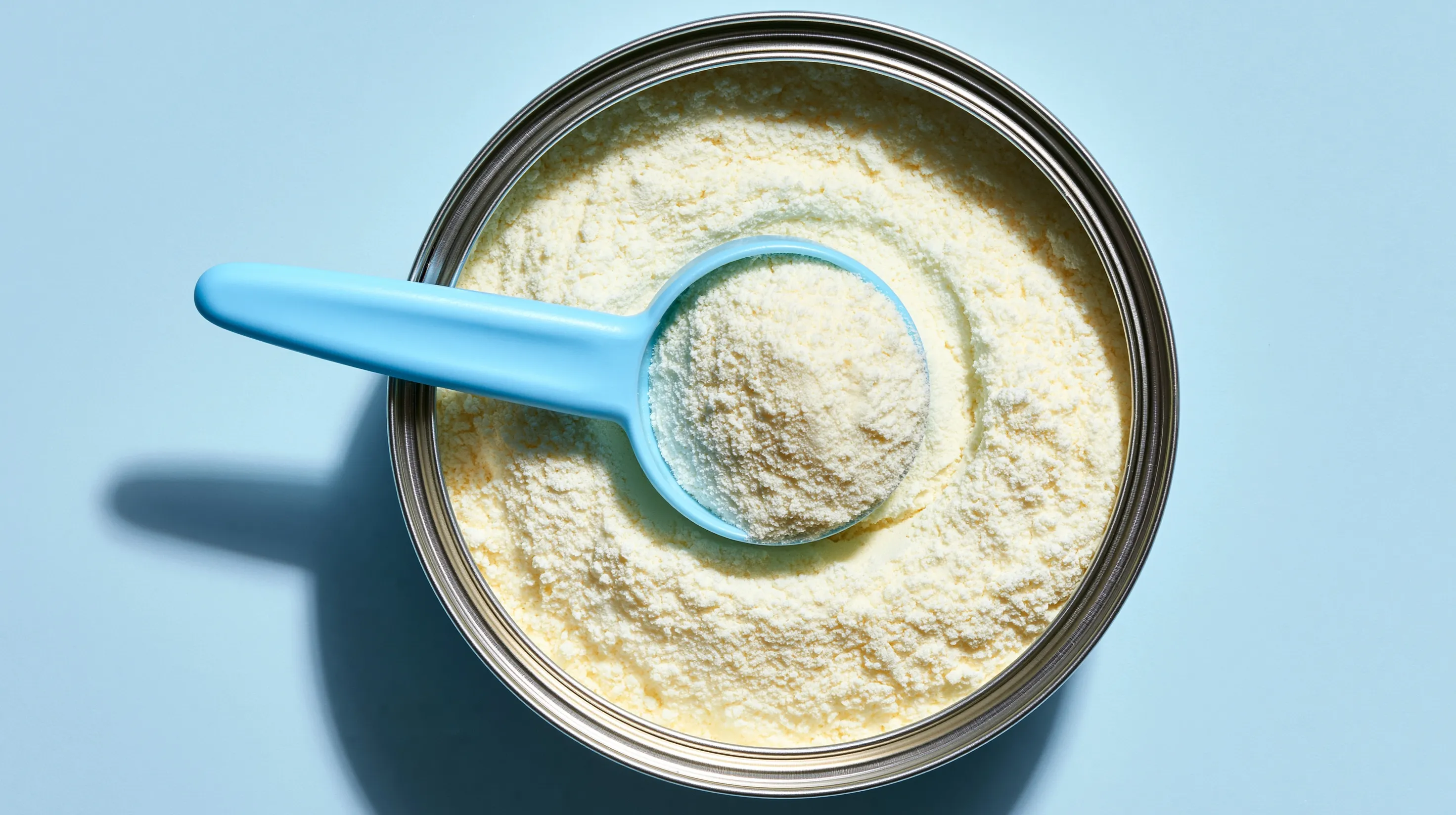
Inmil Powder Stage 1 is an infant milk formula designed for babies aged 0 to 6 months. It comes as a powder that is reconstituted with water before feeding, and it is intended as a breast milk substitute when breastfeeding is not possible or is insufficient.

Stage 1 formulas are starter formulas, nutritionally calibrated to meet the complete dietary needs of a young infant who is not yet on any solid foods. Inmil powder uses extend to situations where mothers cannot breastfeed due to medical reasons, low milk supply, or return to work. The decision to use any formula, however, should always involve a pediatrician first.

Nutritional Composition of Inmil Stage 1

Infant milk formula composition in India is regulated to ensure products meet minimum nutritional thresholds comparable to human breast milk. A stage 1 formula like Inmil typically provides the following per 100 g of powder:

  • Protein from whey and casein derived from cow's milk; whey-dominant formulas are generally considered closer to human breast milk in protein profile
  • Carbohydrates primarily from lactose, which supports gut health and calcium absorption
  • A fat blend of vegetable oils alongside long-chain polyunsaturated fatty acids including DHA and ARA, which support brain and eye development
  • Vitamins A, D, E, K, and the B-group vitamins
  • Minerals including calcium, phosphorus, iron, and zinc
  • Added choline, taurine, and nucleotides, which occur naturally in breast milk

The exact values are printed on the product pack and should be confirmed with the manufacturer or your pharmacist. No formula fully replicates the immunological components of breast milk, such as antibodies and live cells, which is why breastfeeding remains the first recommendation wherever possible.

How to Prepare and Feed Inmil Powder Stage 1?

Correct preparation matters as much as the formula itself. Improperly mixed powder can lead to under-nutrition or, in rare cases, bacterial contamination. Always follow the instructions on the Inmil pack; the steps below are general guidance only.

Sterilise the feeding bottle, teat, and any utensils by boiling or using a steam steriliser, and wash your hands before starting.

Use freshly boiled water cooled to no lower than 70 degrees Celsius. This temperature reduces the risk of any bacterial contamination in the powder. Cool the prepared feed to a safe temperature before offering it to your baby.

Add the exact number of level scoops to the measured volume of water as stated on the pack. Too little powder dilutes nutrition; too many scoops can put strain on an infant's kidneys. Never improvise the ratio.

Newborns typically feed every 2 to 3 hours. Your paediatrician will guide you on the right volume per feed based on your baby's weight and age. Discard any unused portion after a feed and never store a prepared bottle at room temperature for more than 2 hours.

Popular Indian Infant Formula Brands and Their Stages

The stage 1 baby formula 0-6 months segment in India includes several established brands. The table below gives a broad comparison for reference; product formulations can change, so always read the current pack label and consult a paediatrician before deciding.

BrandStage 1 Age RangeProtein SourceNotable Feature
Inmil Stage 10 to 6 monthsWhey + casein (cow's milk)DHA, ARA, nucleotides added
NAN Pro 10 to 6 monthsWhey-dominantProbiotic strains in select variants
Similac Stage 10 to 12 monthsWhey + caseinNo added palm olein oil in some variants
Dexolac Stage 10 to 6 monthsCow's milk proteinIron-fortified, widely available

Most best infant formula brands India carries follow a two-to-four stage system. Stage 1 is the starter formula for the 0-to-6-month window; stage 2 (follow-on formula) is for babies 6 months and older who have started solids. Switching stages before 6 months without medical guidance is not advised.

The infant formula comparison India picture also includes specialized options: hypoallergenic (extensively hydrolysed protein) formulas for cow's milk protein allergy, soy-based formulas, and pre-term formulas for premature infants. These require a specific pediatric recommendation and should not be chosen without one.


Contraindications and When to Avoid Formula Feeding

Not every baby can use a standard cow's milk-based formula. Key situations where Inmil Stage 1 or similar products should be avoided include:

  • Galactosemia: babies with this rare inherited disorder cannot metabolise galactose, a sugar in lactose. Standard formula is contraindicated and a specialised lactose-free alternative is needed.
  • Cow's milk protein allergy (CMPA): babies with confirmed CMPA need an extensively hydrolysed or amino acid-based formula, not a standard cow's milk formula.
  • Premature or very low birth weight infants: these babies often have higher nutritional needs and may require a specialist pre-term formula rather than a standard stage 1 product.

Any family history of allergy, or symptoms such as persistent vomiting, blood in stools, or severe eczema in a young baby, should prompt an immediate paediatrician consultation before continuing or starting any formula.

Safety Precautions and Adverse Event Reporting

Prescribing information disclaimer: Inmil Powder Stage 1 is a food for special medical purposes and should be used under medical supervision. The information in this article is for general awareness only and does not replace the advice of a qualified pediatrician or registered dietitian.

Always consult your baby's doctor before switching from one formula brand to another, before changing the stage of formula, or if your baby shows any signs of intolerance or allergy after feeding.

For broader newborn care, including hygiene and handling practices that complement safe feeding, newborn care essentials beyond feeding can help new parents build confidence in the early weeks.

  • Adverse event reporting: If your baby experiences an unexpected reaction after consuming any infant formula, contact your paediatrician promptly. Report adverse events to your healthcare provider or the relevant regulatory authority.

Medical disclaimer: This article is intended for informational purposes only and does not constitute medical advice. Infant formula feeding decisions should always be made in consultation with a licensed paediatrician or healthcare professional. Individual nutritional needs vary; what suits one baby may not suit another. Apollo does not endorse any specific brand over another.

Conclusion

Inmil Powder Stage 1 is formulated for the early months of infancy when breast milk is unavailable, insufficient, or formula feeding has otherwise been recommended. Choosing a stage 1 formula should be based on your baby's age, nutritional needs, tolerance, and medical history rather than brand comparisons alone. Correct preparation, appropriate water temperature, accurate scoop-to-water ratios, hygienic bottle handling, and timely disposal of leftover feeds are essential for safe formula feeding.

Standard cow's milk-based formula may not be suitable for every infant, particularly babies with cow's milk protein allergy, galactosaemia, prematurity, or other conditions requiring specialised nutrition. If your baby develops persistent vomiting, blood in the stools, significant diarrhoea, severe eczema, poor feeding, or other concerning symptoms after starting formula, consult a paediatrician promptly. Do not change formula, dilute feeds, increase the powder concentration, or move between stages without appropriate professional guidance, as your baby's individual growth and nutritional requirements should determine the feeding plan.

FAQs

Can I switch between Stage 1 formula brands?

Switching brands mid-feed is generally not recommended without a paediatrician's guidance, as different formulas have slightly different compositions and your baby's gut may need time to adjust. If a switch is necessary, your doctor can advise on how to transition gradually.

How much Inmil powder should I feed my baby daily?

The volume per feed depends on your baby's age and weight; the pack provides a general guideline, but your paediatrician will give you the most accurate recommendation based on your baby's growth. Never increase the number of scoops per feed to try to give more nutrition.

Is Inmil powder suitable for premature infants?

Standard stage 1 formulas are designed for full-term babies and may not meet the higher caloric and protein needs of premature infants. A neonatologist or paediatrician should recommend a pre-term or specialist formula for babies born early.
What is the difference between Stage 1 and Stage 2 formula?

Stage 1 is a complete starter formula for babies from birth to 6 months, while Stage 2 (follow-on formula) is designed for babies aged 6 months and older who have begun eating solids. Stage 2 formulas are not suitable as a sole source of nutrition for young infants.

Can Inmil powder cause allergies in infants?

Because Inmil Stage 1 is made from cow's milk protein, it can trigger reactions in babies with cow's milk protein allergy. Symptoms may include skin rashes, vomiting, loose stools, or unusual fussiness; if you notice any of these, stop the feed and consult your paediatrician before continuing.

Apollo 247 Floating Action Button