logo
0

Iron-Fortified Baby Cereal: A Complete Guide for Parents

Wondering when and how to introduce iron-fortified baby cereal? Learn why it is crucial for your 6-month-old's growth and how to choose the best option.

article image

Dr.Kamran

Introducing your baby to solid foods is an exciting and memorable milestone. Watching your little one taste new textures and discover flavours is a joy for any parent. However, this transition can also bring up a lot of questions. What should their first food be? How do you ensure they are getting all the nutrients they need for rapid growth?

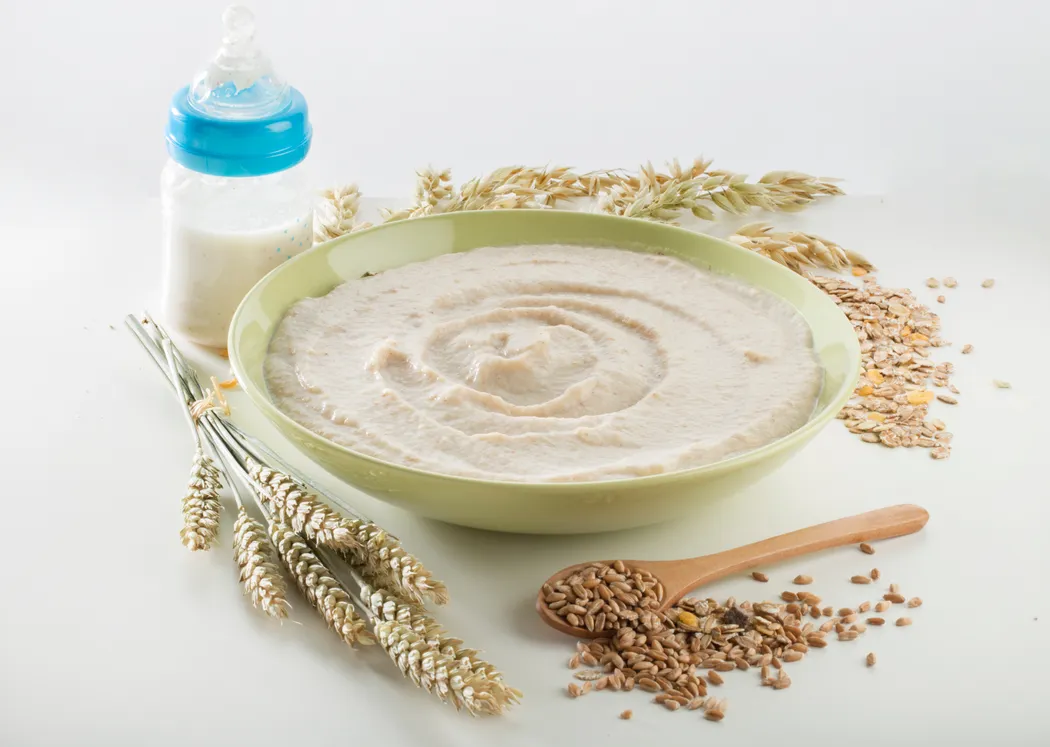
As your baby approaches the half-year mark, paediatricians and paediatric nutritionists widely recommend starting with iron-fortified baby cereal. This simple, gentle food serves as an ideal bridge between an all-liquid diet and more complex solids.

In this comprehensive guide, we will explore why iron is so critical for your growing baby, how to choose the best products, and how to safely prepare and serve cereal to your infant.

What is Iron-Fortified Baby Cereal?

If you are a new parent, you might be asking: what is iron-fortified baby cereal?

Simply put, it is a finely milled, easily digestible grain cereal, such as oatmeal, barley or rice, that has been enriched with essential vitamins and minerals, specifically iron.

During the manufacturing process, food scientists add a safe, highly bioavailable form of iron to the dry grain. Because babies need a significant amount of iron relative to their small body size, this fortified baby cereal acts as a reliable nutritional safety net. It ensures that even small spoonfuls of food deliver a concentrated dose of the nutrients your infant needs to thrive.

Why Does Your Baby Need Iron at 6 Months?

During the final trimester of pregnancy, babies store up a natural supply of iron from their mothers. This stored iron supports their growth and development during their first few months of life. However, by the time your baby reaches around 6 months of age, these natural stores begin to deplete.

Introducing iron-fortified baby cereal at 6 months is crucial because breast milk, while perfect in almost every other way, contains very little iron. While formula-fed babies do receive some iron from their formula, both breastfed and formula-fed infants benefit greatly from complementary, iron-dense solid foods. Here is why iron is so important for your baby’s development:

  • Brain and Cognitive Development: Iron is a critical building block for myelination, the process by which a protective sheath forms around nerve fibres in the brain. Adequate iron levels support learning, memory and motor skill development.
  • Oxygen Transport: Iron is a key component of haemoglobin, the protein in red blood cells that carries oxygen from the lungs to the rest of the body. Without enough iron, muscles and tissues cannot get the oxygen they need.
  • Preventing Anaemia: A lack of dietary iron can lead to iron-deficiency anaemia. This condition can cause fatigue, pale skin, a weakened immune system and potential long-term developmental delays.

Choosing a nutritionally complete baby cereal for 6-month-old infants is one of the easiest ways to ensure your baby meets their daily requirement of 11 milligrams of iron.

Which Cereal is Good for a 6-Month-Old Baby?

When you walk down the baby food aisle, the sheer volume of choices can feel overwhelming. You might find yourself wondering, which cereal is good for a 6-month-old baby?

Traditionally, single-grain rice cereal was the go-to recommendation for decades because it is hypoallergenic and easy to digest. However, modern paediatric guidance has evolved. Here is a breakdown of the most common grains to help you make an informed choice:

1. Oatmeal Cereal

Many paediatricians now recommend starting with oatmeal. Oatmeal iron-fortified baby cereal is highly nutritious, gentle on tiny tummies and naturally rich in fibre. It also has a pleasant, mild flavour that babies love.

2. Barley Cereal

Barley is another fantastic, easily digestible single-grain option. It has a slightly nutty flavour and offers a smooth texture when mixed with warm breast milk or formula. It is a great alternative to oatmeal if you want to diversify your baby’s palate.

3. Rice Cereal

While rice cereal is still an option, medical authorities suggest rotating it with other grains. Rice plants naturally absorb more arsenic from the soil and water than other grains. While occasional servings are safe, relying solely on rice cereal is no longer recommended.

4. Multi-Grain Cereals

Multi-grain cereals combine several grains such as oats, barley and spelt. These are excellent for older babies who have already tried single-grain options individually without showing any signs of food allergies or sensitivities.

When shopping, always check the ingredient label. Look for a high-quality, organic iron-rich baby cereal that contains minimal additives, no added sugars and no artificial preservatives.

The Benefits of Iron-Fortified Cereal for Babies

Opting for an iron-fortified cereal for babies offers several unique developmental and practical benefits:

  • Customisable Consistency: You can easily adjust the thickness of the cereal. In the beginning, you can make it highly liquid, so it is easy to swallow. As your baby's chewing and swallowing skills improve, you can gradually thicken the mixture.
  • Excellent Carrier Food: Once your baby tolerates basic cereal, you can use it as a base to introduce other foods. Stirring in a spoonful of puréed apples, pears, sweet potatoes or avocados is a wonderful way to introduce new flavours.
  • Facilitates Iron Absorption: Iron from plant sources (non-haem iron) is absorbed more efficiently when paired with vitamin C. Mixing your baby's cereal with a vitamin C-rich fruit purée, such as strawberry or mango, naturally boosts their iron absorption.
  • Development of Motor Skills: Eating from a spoon is a brand-new physical skill for your baby. It helps them transition away from the tongue-thrust reflex, where they automatically push solid objects out of their mouth, and teaches them how to swallow solid food.

How to Safely Prepare and Serve Baby Cereal

Preparing baby cereal is quick and straightforward, but there are a few safety guidelines to keep in mind to ensure a happy, safe mealtime.

Step-by-Step Preparation

  • Start Small: Begin with a very small portion. Mix 1 tablespoon of dry cereal with 3 to 4 tablespoons of breast milk, infant formula or warm water.
  • Aim for a Liquid Consistency: For your baby's first few feedings, the cereal should be very runny, almost like slightly thickened milk. This helps your baby get used to the new texture without choking.
  • Feed with a Spoon: Always feed your baby cereal using a small, soft-tipped silicone baby spoon. Do not put baby cereal in a baby bottle unless specifically directed by your paediatrician, as this can be a choking hazard and lead to unhealthy weight gain.
  • Watch for Fullness Cues: Let your baby guide the feeding session. If they turn their head away, close their mouth or spit the cereal out, they are telling you they are full or not ready. Never force your baby to finish a bowl.
  • Gradually Thicken the Cereal: As your infant becomes more adept at swallowing over the coming weeks, gradually decrease the amount of liquid to create a thicker, paste-like consistency.

Signs Your Baby is Ready for Solid Foods

While 6 months is the standard recommendation, every child develops at their own unique pace. Before introducing baby cereal, ensure your little one displays these signs of developmental readiness:

  • Good Head Control: Your baby can hold their head steady and upright without assistance.
  • Sitting Upright: Your baby can sit comfortably in a high chair or infant seat with little to no support.
  • Interest in Food: Your baby watches you eat, reaches for your food or opens their mouth when food is nearby.
  • Loss of Tongue-Thrust Reflex: Your baby no longer automatically pushes food out of their mouth with their tongue when a spoon is placed on their lips.

Conclusion

Iron-fortified baby cereal can be a convenient and nutritious first food that helps support your baby’s growing iron needs during the transition to solid foods. Choosing an age-appropriate cereal, preparing it with suitable ingredients, and offering a variety of iron-rich foods can help provide a balanced diet. Parents should introduce complementary foods according to their baby’s developmental readiness and follow guidance from a paediatrician when needed. With the right choices and gradual introduction, iron-fortified cereal can be a useful part of a healthy feeding routine.

FAQS

Can I give my baby iron-fortified cereal twice a day?

Yes. Once your baby has successfully adjusted to eating solids, serving iron-fortified cereal once or twice a day is a safe and effective way to help them meet their daily iron requirements.

Does iron-fortified baby cereal cause constipation?

Sometimes, the concentrated iron in fortified cereals can cause mild constipation or slightly darker stools in infants. If you notice your baby is struggling, ensure they are getting plenty of breast milk or formula. You can also try switching from rice cereal to oatmeal, which contains more natural fibre, or consult your paediatrician about offering a small sip of water.
Can I mix baby cereal with cow's milk?

No. The World Health Organization (WHO) and the Centers for Disease Control and Prevention (CDC) advise against introducing cow's milk as a drink or primary mixing liquid before 12 months of age. Your baby's digestive system cannot easily process cow's milk protein, and it lacks the nutrients your baby needs. Always stick to breast milk, formula or water.

How long should my baby eat fortified cereal?

Most babies continue to enjoy fortified infant cereals well into their first year. Around 8 to 10 months, as your baby begins to master the "pincer grasp", you can gradually transition them to soft finger foods and table foods that are naturally rich in iron, such as finely minced meats, beans, tofu and cooked lentils.

Is organic baby cereal better than non-organic?

Organic baby cereal is a great option because it is grown without synthetic pesticides. However, the most critical factor is ensuring that the cereal is fortified with iron. Both organic and conventional iron-fortified options provide the essential nutrients your baby needs to grow strong and healthy.

Apollo 247 Floating Action Button