logo
0

Iron Fortified Foods List for Infants: What to Feed and When

Explore an iron-fortified foods list for infants, including iron-rich cereals, meats, legumes, vegetables, feeding guidance, and age-appropriate options.

article image

Dr. J.T.Hema Prathima

Iron is one of the most critical nutrients in your baby's first year, and getting it right matters more than most parents realize. After 6 months, breast milk alone no longer supplies enough iron to meet a growing infant's needs, which is exactly why building a reliable iron fortified foods list becomes one of the most practical things a caregiver can do. Low iron in the early months can quietly affect brain development, energy, and immunity before any obvious symptoms appear.

Why Iron Matters for Infant Growth?

Iron does far more than prevent anemia. It is essential for building myelin, the protective sheath around nerve fibers, and for the neurotransmitter activity that shapes memory and learning. The first two years of life are the most sensitive window for brain development, making iron deficiency in infants during this period particularly risky.

Babies are born with iron stores that typically last around 4 to 6 months. After that, those stores drop off sharply, especially in breastfed infants, because breast milk, while perfect in many other ways, is naturally low in iron. Pediatric guidelines broadly recommend introducing iron-rich complementary foods around 6 months to bridge this gap. Premature babies may need earlier attention since they have fewer iron reserves at birth.

When to Introduce Iron-Rich and Fortified Foods?

The general starting point for when to start iron rich foods for infants is 6 months of age, though every baby develops at their own pace. Before offering solids, look for these readiness signs:

  • The baby can sit upright with minimal support and hold their head steady.
  • They show interest in food, such as watching others eat or reaching toward the table.
  • The tongue-thrust reflex has faded, so they no longer automatically push food out.

Once these signs are present, iron-rich foods can be introduced alongside continued breastfeeding or formula. You do not have to wait until other foods are established. Starting with iron-rich options, such as iron fortified baby cereal or pureed meats, makes nutritional sense from day one of weaning.

For families using formula, most standard commercial infant formulas already contain added iron, so the nutritional gap is smaller. Solids still matter because they introduce food variety and help develop eating skills. For broader guidance on early infant care, the newborn care basics guide covers helpful context for new parents.

Iron Fortified Foods List for Infants

Below is a practical overview of both fortified and naturally iron-rich options suitable for infants aged 6 to 12 months.

FoodIron TypeNotes
Iron fortified baby cereal (rice, oat, multigrain)Non-heme (fortified)Good first food; easy to mix with breast milk or formula
Fortified infant formula ironNon-heme (fortified)Most standard formulas contain added iron
Iron-fortified weaning powdersNon-heme (fortified)Check label for age-appropriate formulations
Pureed red meat (chicken, lamb, beef)Heme ironHighly absorbable; suitable from 6 months
Pureed lentils and legumesNon-hemePair with vitamin C to boost absorption
Pureed spinach, peas, and beansNon-hemeGood plant-based options alongside other foods
Tofu (soft, pureed for young infants)Non-hemeUseful for vegetarian families

Heme iron, found in animal products, is absorbed more efficiently than non-heme iron from plant sources or fortified foods. Non-heme sources are still highly valuable, especially when paired with vitamin C.

Among the best iron foods for 6 month old babies, pureed meat and iron fortified baby cereal are often recommended first because they are easy to digest and simple to prepare. For vegetarian families, iron rich foods for babies can still cover daily needs. Lentils, tofu, fortified cereals, and legumes, served with a little tomato puree or mashed citrus-based foods, make a practical routine.

How to Serve Iron-Fortified Cereals and Powders Safely?

Preparation matters as much as selection. A few practical tips:

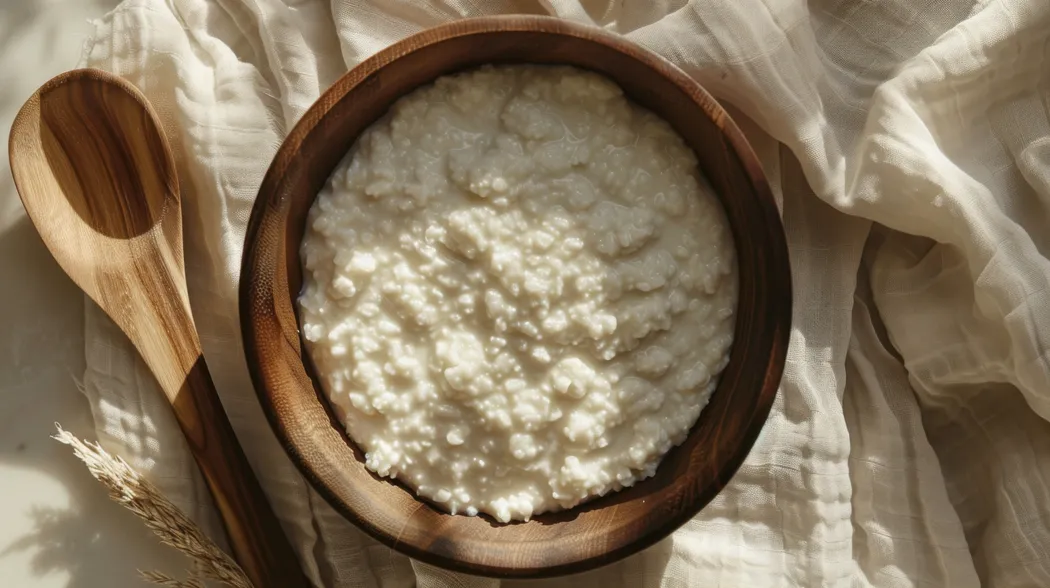
  • Mix iron fortified baby cereal with breast milk, formula, or cooled boiled water to a smooth, runny consistency for beginners.
  • Start with one to two teaspoons once a day and increase gradually as your baby gets comfortable.
  • Pair each serving with a small vitamin C-rich food, such as pureed tomato, mango, or soft cooked sweet potato, to enhance iron absorption.
  • Avoid serving fortified cereals with cow's milk before 12 months. Cow's milk can interfere with iron absorption and is not suitable as a main drink in the first year.
  • Do not add salt, sugar, or honey to any infant food.
  • Store opened cereal packets in a cool, dry place and follow the use-by date.

When using fortified weaning powders, always follow the manufacturer's instructions for age-appropriate dilution. Overconcentrated preparations are not safe for infants.

Signs of Iron Deficiency in Infants

Iron deficiency in infants can be easy to miss because it often develops gradually. Common signs to watch for include:

  • Unusual paleness, especially around the lips and inner eyelids
  • Persistent tiredness or low energy, even after adequate sleep
  • Poor appetite or slow weight gain
  • Irritability that seems disproportionate to the situation
  • Frequent infections or slow recovery from illness
  • Delayed motor or cognitive milestones

None of these symptoms confirms iron deficiency on its own. A blood test ordered by your pediatrician is the only way to diagnose it. If you notice several of these signs together, raise them at your next well-baby visit rather than starting supplements without medical guidance.

Contraindications and When to Avoid Certain Iron Foods

While iron is essential, there are situations where certain foods or supplements need careful handling.

Introduce new iron-rich foods one at a time, with a few days between new items. This helps identify any allergic reaction early. Lentils, soy-based tofu, and wheat-based fortified cereals are common allergens worth introducing cautiously, especially if there is a family history of food allergy.

Premature or low birth weight infants have different iron needs and timelines. Their pediatrician should guide both the timing of solids and any supplementation, since standard guidance for full-term babies may not apply directly.

Excess iron supplementation without medical advice carries real risks. Too much iron can cause nausea, constipation, and in rare cases, toxicity. Never give iron drops or high-dose supplements unless a doctor has confirmed deficiency through testing and recommended them. Fortified infant formula iron and fortified foods, used appropriately, are generally safe because the amounts are calibrated for infant needs.

Report adverse events to your healthcare provider or the relevant regulatory authority.

Conclusion

Iron is an important nutrient for infants because it supports healthy growth, brain development, and the production of red blood cells. Around 6 months, when complementary foods are introduced, parents can offer iron-rich and iron-fortified foods such as fortified infant cereals, meat, poultry, fish, beans, lentils, tofu, and appropriately prepared vegetables. Combining plant-based iron sources with foods rich in vitamin C can improve absorption, while age-appropriate textures and preparation help reduce choking risks. Breast milk or iron-fortified infant formula remains an important source of nutrition during infancy, depending on the baby's feeding pattern. Parents should discuss iron supplements with a paediatrician rather than giving them routinely without medical advice, particularly if there are concerns about anaemia, poor growth, or inadequate iron intake.

FAQS

What is the best iron fortified food for babies?

Iron fortified baby cereal made from oats or multigrain is widely recommended as an easy starting option because it mixes smoothly and is well-tolerated. Pureed red meat is also excellent because it contains heme iron, which the body absorbs more readily.

Can I give iron supplements instead of food?

Supplements should only be used if a pediatrician confirms deficiency through a blood test. Food-based sources are preferred because they come with other nutrients and help establish healthy eating habits from an early age.
Does breast milk have enough iron after 6 months?

Breast milk is low in iron and does not supply enough once a baby's birth stores are depleted, usually around 6 months. Complementary iron-rich foods become essential at this stage while breastfeeding continues.

Can iron fortified cereal cause constipation in babies?

It can, in some infants, particularly when iron intake increases quickly. Offering plenty of fluids, including breast milk or formula, and introducing high-fibre foods alongside cereal usually helps manage this.

Apollo 247 Floating Action Button