logo
0

Isomil and Similac: A Guide to Soy-Based Infant Formula

Learn about Isomil and Similac soy-based infant formulas, including their uses, nutritional differences, safety, contraindications, and formula-switching guidance.

article image

Dr.Yusuf

Choosing the right infant formula can feel overwhelming, especially when your baby is unsettled and you need answers quickly. Isomil and Similac are two widely recognised names that come up often when parents start researching soy-based alternatives to standard dairy formulas. This guide explains what these products are, when soy formula is appropriate, and how they compare nutritionally, so you can have a better-informed conversation with your paediatrician.

What Are Isomil and Similac Soy Formulas?

Soy-based infant formula is made from soy protein isolate rather than cow's milk protein. It is designed to provide complete nutrition for infants who cannot tolerate or should not receive a standard dairy-based formula.

Isomil is a soy formula product historically associated with the Abbott Nutrition range. It uses soy protein isolate as its primary protein source and contains no lactose. Similac, also from Abbott, is a broader product line that covers both dairy-based and soy-based options. When parents ask whether Similac is a soy formula, the answer is that the Similac brand includes soy variants alongside its dairy offerings. The names Isomil and Similac are often used together because Isomil has been positioned as the soy formula within the Similac family in several markets.

Both belong to the same general category: soy protein isolate-based infant formulas fortified with vitamins, minerals, and DHA to support infant growth. Availability and exact product names vary by country and regulatory status, so always confirm what is registered and available in India before purchasing.

When Is Soy Formula Recommended?

Soy formula is not a routine substitute for dairy formula. There are specific situations where a doctor may suggest it.

  • Galactosemia: Infants born with this rare metabolic condition cannot process galactose, a sugar found in both breast milk and cow's milk formula. Soy formula is one of the few suitable alternatives for these babies.
  • Lactose intolerance: Some infants have difficulty digesting lactose. A lactose-intolerant baby formula like a soy-based option removes lactose entirely, which can ease symptoms such as bloating, loose stools, and excessive crying after feeds.
  • Temporary lactose intolerance after gut illness: After a bout of gastroenteritis, some babies briefly lose the ability to digest lactose. A doctor may suggest soy or lactose-free formula while the gut recovers.
  • Vegan family preference: Parents following a strictly plant-based diet may request a non-animal protein formula. This decision still requires paediatric guidance.

When should a baby be switched? Only after a healthcare provider has assessed the baby. Self-switching formulas without a diagnosis can mask symptoms or delay finding the real cause of the baby's distress. Is soy formula good for babies in the right clinical situation? Yes, provided it is indicated and used under supervision.

Contraindications and Who Should Avoid Soy Formula?

Soy formula is not suitable for every infant, and this is a critical point that parents must discuss with their doctor before making any change.

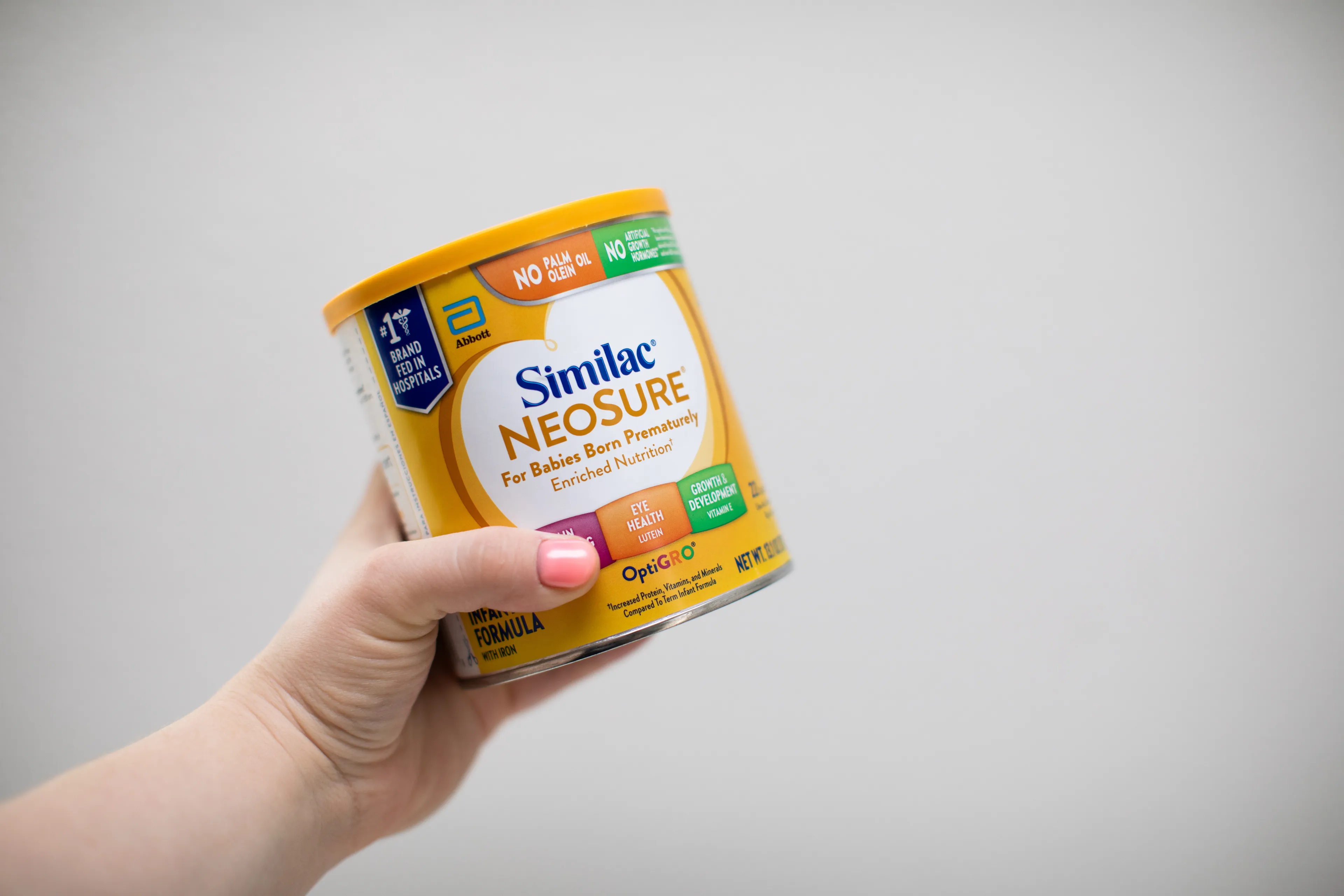
  • Preterm or low-birth-weight infants should generally not receive soy formula. Their developing gut and kidneys may not handle the phytate content well, and calcium absorption can be compromised at a stage when bone mineralisation is especially important.
  • Infants with a confirmed soy protein allergy should not use Isomil soy formula or any soy-based product.
  • Babies with cow milk protein allergy (CMPA) may also react to soy. A notable proportion of infants with CMPA show cross-reactivity to soy protein, which means an extensively hydrolysed or amino acid-based formula is usually the safer choice for these babies.
  • Infants with congenital hypothyroidism managed on thyroid medication need careful monitoring, as soy can affect medication absorption.

Always tell your paediatrician about any family history of allergies before considering a switch to soy-based formula. Report adverse events to your healthcare provider or the relevant regulatory authority.

Soy Formula vs Dairy Formula: Nutritional Comparison

Parents often ask whether soy formula is as nutritious as dairy formula. Well-formulated soy formulas meet standard nutritional requirements for term infants, but there are real differences worth knowing.
 

Feature    Soy FormulaDairy-Based Formula
Protein sourceSoy protein isolateCow's milk whey and casein
Lactose    None    Present (main carbohydrate)
Calcium    Added; generally adequate for term infantsNaturally present, well absorbed
Phytate content Higher; can reduce mineral absorptionLow
Iron    Fortified; absorption may be slightly lowerFortified
DHA/ARA    Added in modern formulationsAdded in modern formulations
Carbohydrate sourceCorn syrup solids or sucroseLactose

Does soy formula have less calcium? Not necessarily less on the label, but phytates in soy can bind calcium and reduce how much the body absorbs. Manufacturers compensate by adding more calcium, but this is one reason preterm infants face a higher risk on soy formula.
The protein quality of soy protein isolate is considered adequate for term infants when the formula meets regulatory requirements. Modern soy vs dairy formula comparisons also show that soy formulas are fortified with methionine and other amino acids to bring the protein profile closer to breast milk. For most healthy term infants with a genuine clinical indication, the decision of when to use soy formula comes down to the specific condition rather than general preference.

How to Switch Between Formulas Safely?

If your paediatrician has advised moving your baby to a Similac soy formula or any other soy-based option, a gradual transition generally works better than an abrupt change.

A common approach is to mix the new formula with the existing one over five to seven days, slowly increasing the proportion of soy formula each day. This gives the baby's gut time to adjust and makes it easier to identify any new reactions. Watch for changes in stool colour or consistency, skin rashes, unusual fussiness, or vomiting, and report these to your doctor promptly.

A few practical points to keep in mind:

  • Never switch formulas based on internet advice alone. A paediatrician should confirm the indication first.
  • If your baby is currently on breast milk and you are considering soy formula as a supplement or replacement, discuss this thoroughly with your doctor. Breast milk remains the preferred option where possible.
  • Store formula correctly, follow preparation instructions exactly, and never dilute formula to make it last longer. Dilution reduces nutritional density and can be harmful.
  • For broader newborn care essentials beyond feeding, including umbilical cord care and hygiene in the early weeks, Apollo's newborn care guide covers common concerns parents face in those first months.

Conclusion

Isomil and other soy-based infant formulas can provide complete nutrition for term infants when there is a specific reason to use them, such as galactosemia or certain lactose-related concerns. However, soy formula is not suitable for every baby and is generally not the first choice for confirmed cow's milk protein allergy. Formula changes should be made with guidance from a paediatrician, who can assess your baby's age, health, feeding needs, and risk of allergies before recommending an appropriate formula.

FAQS

Is Isomil the same as Similac?

Isomil is the soy formula variant within the Similac product family, both made by Abbott Nutrition. Similac as a brand includes dairy-based formulas as well, while Isomil refers specifically to the soy protein isolate-based option. Availability under these names varies by market.

Can soy formula cause hormonal issues in babies?

Soy contains phytoestrogens, which have raised questions over the years. The American Academy of Paediatrics (AAP) has reviewed the available evidence and does not consider soy formula unsafe for term infants on this basis, though research continues. If you have concerns, discuss them with your paediatrician.

Is soy formula good for gas and colic?

Soy formula removes lactose, which helps if gas is caused by lactose intolerance. However, colic has multiple causes, and many babies with colic are not lactose intolerant. A paediatrician can help determine whether a formula switch is actually likely to help your baby's specific symptoms.

How long can a baby stay on soy formula?

For infants with a confirmed clinical indication such as galactosemia, soy formula can be used throughout the first year. Beyond that, your paediatrician will guide the transition to other foods and drinks. Duration should always be determined by a doctor rather than an open-ended default.

Does soy formula help with cow milk allergy?

Soy formula is not recommended as the first-line treatment for cow milk protein allergy. A significant proportion of babies with CMPA also react to soy protein. Extensively hydrolysed or amino acid-based formulas are generally preferred for confirmed CMPA cases.

Apollo 247 Floating Action Button