logo
0

Lactogen Formula Milk: Stages, Price & Nutrition Guide

Compare Lactogen formula milk stages, pricing and nutrition. Know when to use it, precautions and how to consult a pediatrician before switching.

article image

Dr.Kamran

Choosing the right infant formula is one of the most stressful decisions a new parent can face. Lactogen formula milk, manufactured by Nestle, is one of the most widely available infant formula milk powder options in India, and understanding its stages, composition, and correct use can help you have a more informed conversation with your paediatrician before making any feeding decisions.

What Is Lactogen Formula Milk?

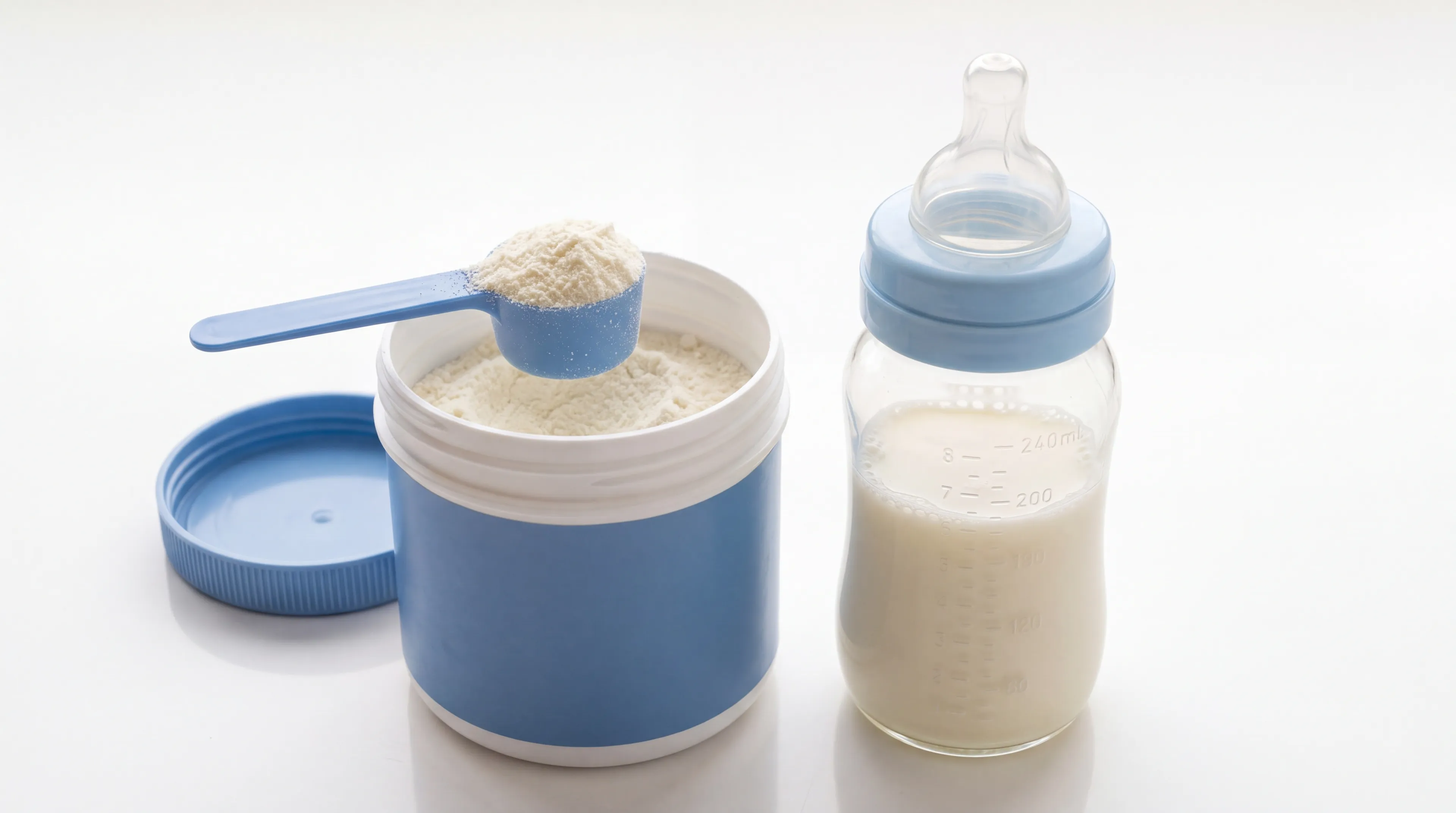
Infant formula milk powder is a commercially prepared substitute designed to meet the nutritional needs of babies who are not exclusively breastfed. Lactogen formula milk is Nestle's cow's milk-based infant formula range, sold across pharmacy chains and grocery stores throughout India.

It is made primarily from skimmed cow's milk powder, vegetable oils, lactose, and a blend of vitamins and minerals. Some stages include added probiotics, iron, and long-chain polyunsaturated fatty acids such as DHA. The formula is processed to be gentler on a developing infant's digestive system than unmodified cow's milk.

Breastfeeding remains the recommended standard for infant nutrition. Lactogen, like all infant formulas, is intended as a supplement or substitute only when breastfeeding is not possible or insufficient, and always under a doctor's guidance.

Lactogen Formula Stages Explained (1, 2, 3, 4)

Lactogen is formulated in age-specific stages because a baby's nutritional needs change significantly across the first few years of life. Using the wrong stage for a child's age may provide too much or too little of key nutrients, so stage selection matters.
 

StageAge RangeKey Nutritional Focus
Lactogen 10 to 6 monthsClosest to breast milk composition; DHA, iron, and core vitamins for newborns
Lactogen 26 to 12 monthsHigher protein and energy to support growing activity and complementary feeding
Lactogen 31 to 3 yearsFortified with calcium, iron, and vitamins for toddler development
Lactogen 42 to 6 yearsIncreased micronutrient support for preschool-age children

The most common question parents ask about lactogen stages is the difference between Lactogen 1 and 2. Lactogen 1 is calibrated for newborns up to six months, with a protein ratio and osmolarity suited to immature kidneys and a very young gut. Lactogen 2 is a follow-up formula with a slightly different protein and mineral profile, designed for babies who have started complementary foods alongside formula. The two are not interchangeable.

Always confirm the correct stage with your paediatrician before switching, and never skip to a higher stage to save money or because a baby seems hungry.

Nutritional Composition and Benefits

Specific nutrient values vary by stage and pack, so always read the label on the tin you purchase. Across its range, Lactogen formula milk powder generally includes:

  • Skimmed cow's milk and whey protein as the main protein sources
  • Vegetable oils (palm, sunflower, coconut, and rapeseed) providing essential fatty acids
  • Lactose as the primary carbohydrate
  • DHA (docosahexaenoic acid) to support brain and eye development
  • Iron to support red blood cell formation and cognitive development
  • Calcium and vitamin D for bone mineralisation
  • Vitamins A, C, and E as antioxidant micronutrients
  • Probiotic cultures in select stages to support gut flora balance

The word "benefits" here refers to nutritional composition as stated on the product label, not therapeutic claims. Formula milk supports normal growth and development when prepared correctly and used as directed; it is not a treatment for any condition.

When recommended by a doctor and prepared hygienically, Lactogen can support adequate nutrition in infants who cannot be exclusively breastfed. It does not replicate every component of breast milk, including antibodies and live immune cells, which are unique to human milk.

Lactogen Formula Milk Price List

Prices below are approximate, based on publicly available retail data at the time of writing. Actual lactogen 1 price and pricing for other stages varies by retailer, city, and ongoing promotions. Always verify the current price at checkout before purchasing.
 

Product    Pack SizeApprox. Price (INR)
Lactogen 1400 g300 to 340
Lactogen 1900 g640 to 700
Lactogen 2400 g290 to 330
Lactogen 2900 g620 to 680
Lactogen 3400 g275 to 310
Lactogen 3900 g590 to 650
Lactogen 4400 g260 to 300

Lactogen 1 price tends to be slightly higher than later stages because of its more complex composition for newborns. Larger pack sizes generally cost less per gram, but always check the expiry date before buying in bulk, especially if your baby is close to the next stage transition.

How to Prepare and Store Lactogen Formula Safely?

Incorrect preparation is one of the most common causes of feeding problems and infection risk in formula-fed babies. Learning how to prepare Lactogen formula correctly from day one protects your child.

Step-by-step preparation:

  1. Wash your hands thoroughly with soap and water for at least 20 seconds.
  2. Sterilise the feeding bottle and all utensils before each use.
  3. Boil fresh drinking water and allow it to cool to approximately 70 degrees Celsius. Do not use room-temperature water; water at this temperature helps reduce bacterial contamination risk.
  4. Pour the required amount of water into the sterilised bottle first.
  5. Use only the scoop provided in the tin. Level each scoop with the built-in leveller and never pack or heap.
  6. Add the correct number of scoops as per the feeding guide printed on the tin for your baby's age and weight.
  7. Cap and shake gently until the powder dissolves fully.
  8. Cool the bottle quickly under cold running water or in a bowl of cold water.
  9. Test the temperature on the inside of your wrist; it should feel lukewarm before feeding.

Storage rules:

  • Use prepared formula within two hours at room temperature.
  • Refrigerate prepared formula immediately if not used at once, and use within 24 hours.
  • Discard any formula left in the bottle after a feed. Never reheat leftover milk.
  • Store unopened tins in a cool, dry place. Once opened, seal tightly and use within the period stated on the tin (usually three to four weeks).

Contraindications and Precautions

Lactogen formula milk is not suitable for every baby. A paediatrician must assess your child before you start any formula.

Do not use Lactogen or any cow's milk-based formula if your baby has:

  • Galactosaemia: A rare metabolic disorder in which the body cannot properly process galactose. These infants require a specialised galactose-free formula.
  • Cow's milk protein allergy (CMPA): An immune reaction to proteins in cow's milk that may cause symptoms such as rashes, vomiting, blood in the stool or breathing difficulties.
  • Lactose intolerance: Uncommon in newborns but possible in certain cases. Confirmed lactose intolerance may require a lactose-free formula under medical guidance.
  • Preterm or low-birth-weight infants: These babies may have specific calorie and nutritional requirements that standard infant formulas do not meet. They may need formulas specifically designed for preterm infants, as advised by a neonatologist.

Never dilute formula to make it last longer, as this reduces caloric density and can cause dangerous electrolyte imbalances. Report adverse events to your healthcare provider or the relevant regulatory authority.

When to Consult a Paediatrician?

Contact your child's doctor promptly if you notice any of the following after starting or switching formula:

  • Hives, rash, swelling of the face or lips, or wheezing after feeding (possible allergic reaction)
  • Persistent vomiting or blood in vomit
  • Blood or mucus in stools, or stools that are pale or white
  • Refusal to feed across multiple feeds combined with unusual lethargy
  • Significant weight loss or failure to regain birth weight in the first two weeks

These signs may point to a formula intolerance, allergy, or an unrelated medical condition that needs assessment. Do not switch formulas on your own; a doctor can identify the cause and recommend the appropriate next step.

For newborn care essentials beyond feeding, including umbilical cord care and hygiene basics, Apollo's parent guides have practical, doctor-reviewed advice.

Conclusion

Lactogen formula milk offers age-specific nutrition for babies and young children when breastfeeding is not possible or sufficient. Lactogen 1 is designed for infants up to 6 months, while later stages are intended for older age groups. Safe preparation, correct stage selection and proper storage are essential to reduce feeding-related risks. Babies with conditions such as galactosaemia, cow's milk protein allergy, lactose intolerance or specific nutritional needs may require an alternative formula under medical supervision. Always consult your paediatrician before starting or changing infant formula.

FAQS

Is Lactogen formula milk safe for newborns?

Lactogen 1 is designed for infants from birth to six months and is considered suitable for newborns who cannot be breastfed, provided a paediatrician has confirmed it is appropriate for that specific baby. It is not recommended for preterm infants or babies with metabolic conditions without specialist guidance.

What is the difference between Lactogen 1, 2, 3, and 4?

Each stage is calibrated for a different age group, with protein levels, mineral content, and caloric density adjusted to match developmental needs. Lactogen 1 is for newborns up to six months, Lactogen 2 for six to twelve months, Lactogen 3 for one to three years, and Lactogen 4 for two to six years.

Can I switch my baby from breastmilk to Lactogen directly?

A gradual transition is generally better tolerated than an abrupt switch, and the timing and method should always be discussed with your paediatrician first. Abrupt changes can cause digestive upset, and a doctor can also confirm which stage is right for your baby's current age.

How long can prepared Lactogen formula be stored?

Prepared formula can be stored in the refrigerator for up to 24 hours. At room temperature, it should be used within two hours of preparation and any remaining feed discarded after each sitting.

Does Lactogen formula milk cause constipation?

Some formula-fed babies pass stools less frequently than breastfed babies, which can be normal. If your baby is straining significantly, passing hard pellet-like stools, or appears to be in pain, speak to your paediatrician rather than switching formula without advice.

Apollo 247 Floating Action Button