logo
0

Lactogen Powder Guide: Stages, Nutrition & Pricing

Compare Lactogen infant formula stages 1-4, nutritional composition, pricing and preparation tips. Pediatrician-reviewed guide for parents.

article image

Dr.Bhanu Prakash

Choosing the right infant formula milk powder is one of the first major decisions new parents face. Lactogen powder, manufactured by Nestle, is one of the most widely used infant formulas in India, available across pharmacies, supermarkets, and online stores. Whether you are supplementing breastfeeding or looking for a complete formula option, understanding the different stages, nutritional content, and pricing can help you make a more confident choice for your baby.

What Is Lactogen Infant Formula Milk Powder?

Lactogen is a cow's milk-based infant formula milk powder designed for babies who are not exclusively breastfed. It is formulated to provide essential macronutrients and micronutrients that support a baby's growth in the early years.

The base ingredient is cow's milk, partially skimmed and processed to adjust the protein and fat levels for infant digestion. Other ingredients typically include vegetable oils as a fat source, lactose as the primary carbohydrate, vitamins, minerals, and in higher stages, added cereals or modified starches. The specific ingredient list varies by stage, so always read the label before use.

Lactogen is categorised as a food for special dietary purposes under Indian regulations and must meet FSSAI standards for infant formula in terms of composition and labelling. It is considered safe for healthy term infants when prepared exactly as directed. For premature babies, low-birth-weight infants, or babies with specific health conditions, consult your pediatrician before using any formula.

Lactogen Stages Explained (1, 2, 3, 4)

Lactogen stages for babies are designed to align with changing nutritional needs at different ages. Each stage adjusts protein density, calorie content, and added nutrients accordingly.

Stage

Age Range

Key Characteristics

Lactogen 1

0 to 6 months

Starter formula; whey-dominant protein profile; closest match to this age group's needs

Lactogen 2

6 to 12 months

Follow-up formula; higher iron and protein to support active growth and weaning

Lactogen 3

1 to 3 years

Toddler milk; includes added cereals, zinc, and DHA in some variants

Lactogen 4

3 to 6 years

Growing-up milk; adjusted for older children beginning varied mixed diets

The main difference between Lactogen 1 and 2 comes down to protein profile and iron content. Stage 1 uses a higher whey-to-casein ratio, which is gentler on a newborn's immature gut. Stage 2 shifts toward more casein and delivers higher iron to meet the growing demands of a crawling, actively developing baby whose iron stores from birth are beginning to deplete.

For a 1-year-old, Lactogen 3 is the appropriate stage. It should accompany solid foods rather than replace meals entirely.

Nutritional Information Per Stage

Nutritional values in infant formula are regulated under FSSAI infant formula standards. The figures below are illustrative; actual values on the pack label may vary by batch or formulation update. Always verify on the physical pack before feeding.

Lactogen 1 (per 100 g, approximate)

  • Energy: around 500 to 520 kcal
  • Protein: around 10 to 12 g
  • Fat: around 25 to 28 g, including essential fatty acids
  • Carbohydrates: around 54 to 58 g, primarily lactose
  • Key micronutrients: iron, calcium, vitamin D, vitamin C, B-group vitamins, iodine

Lactogen 2 (per 100 g, approximate)

  • Energy: similar range to Stage 1
  • Protein: slightly higher than Stage 1
  • Iron: higher than Stage 1 to support development during weaning
  • Carbohydrates: may include small amounts of modified starch alongside lactose

Lactogen 3 and 4

  • These toddler variants include added cereals, making them more calorie-dense per serving
  • Some formulations include DHA and other long-chain polyunsaturated fatty acids
  • Vitamin and mineral profiles are adjusted for older children eating varied diets

On sugar: lactose is the primary carbohydrate in Stages 1 and 2, and sucrose is not added to starter or follow-up formulas. Toddler formulations in Stages 3 and 4 may contain small amounts of added sugars depending on the variant; check the label of the specific pack you are buying.

Lactogen Price Comparison Across Pack Sizes

Prices for lactogen powder vary by stage, pack size, and retailer. The table below gives approximate price ranges based on commonly available pack sizes. Prices change frequently, so check the current listing before purchasing.

Stage

400 g (approx.)

1.2 kg (approx.)

Lactogen Pro 1

₹449–₹460

₹1,260

Lactogen Pro 2

₹450–₹460

₹1,295

Lactogen Pro 3

₹450–₹490

₹1,295

Lactogen Pro 4

₹450–₹460

₹1,260–₹1,295

Lactogen 1 price in the 400 g pack is typically the most accessible entry point for parents trying the formula for the first time.

When comparing lactogen vs other formula milk brands at the same stage, Lactogen generally sits in the mid-price segment. Premium imported formulas tend to cost more, while some domestic brands are priced lower. Price alone should not drive your decision; ingredient profile, your baby's tolerance, and your pediatrician's guidance matter more.

How to Prepare and Store Lactogen Formula Safely

Correct preparation matters as much as choosing the right formula. Improper mixing or storage can expose your baby to harmful bacteria.

Preparation steps:

  1. Wash your hands thoroughly with soap and water before starting.
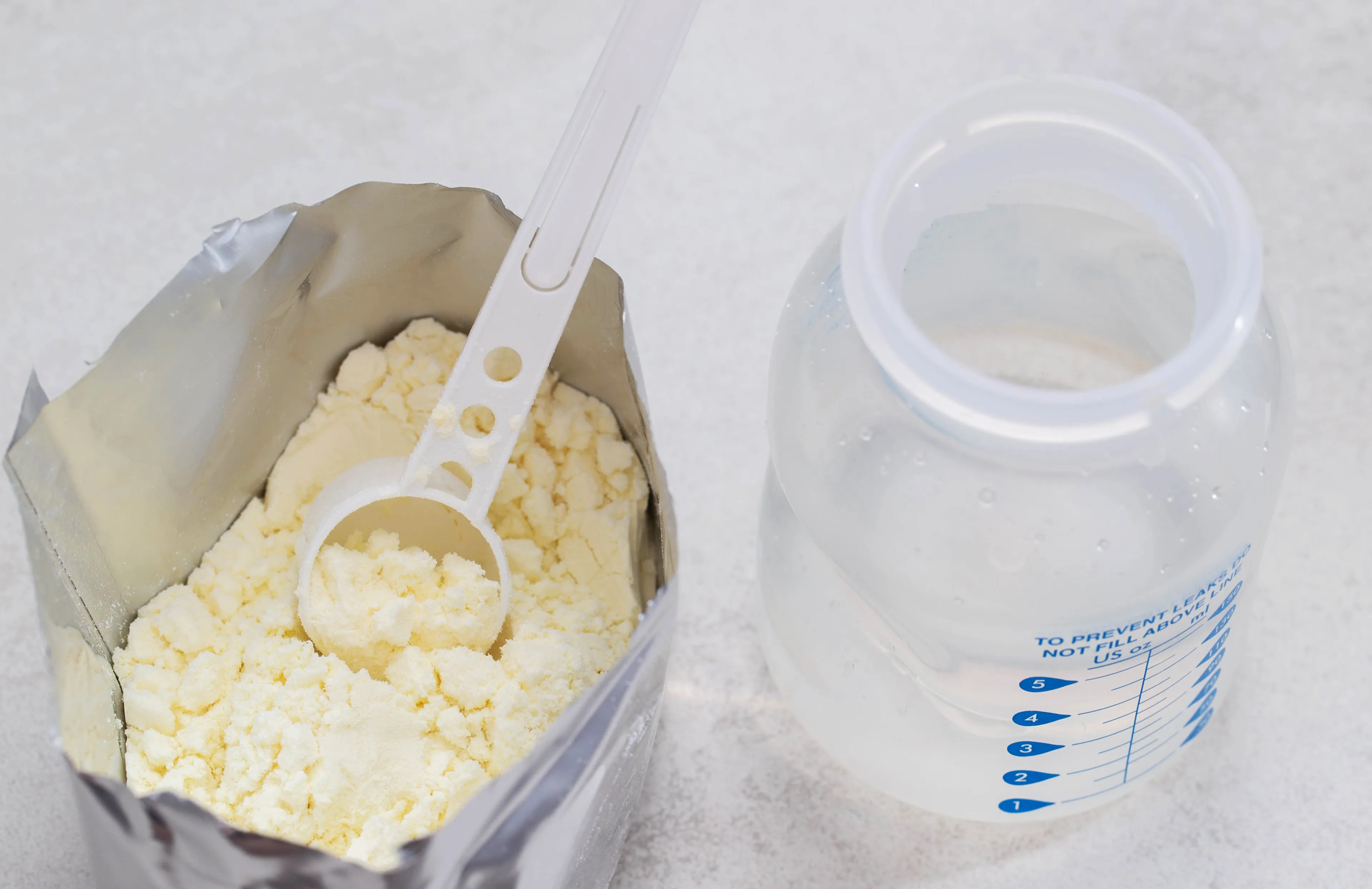
  2. Sterilise the feeding bottle, teat, and any utensils by boiling or using a steam steriliser.
  3. Boil fresh drinking water and allow it to cool. Use water that has cooled to around 70 degrees Celsius, which is hot enough to reduce bacterial risk. Check the preparation instructions on your specific pack, and follow guidance from your pediatrician or healthcare provider on the correct water temperature for your baby's age and condition.
  4. Add the exact amount of water to the bottle first, then add the scoops of powder as directed on the label. Do not pack or level the scoop differently from the instructions.
  5. Replace the teat and cap, then shake to dissolve completely.
  6. Cool the prepared bottle under running cold water before feeding. Test the temperature on your wrist before giving it to your baby.

Storage:

  • Use prepared formula within 2 hours if kept at room temperature, or within 24 hours if refrigerated at 4 degrees Celsius or below. Discard any leftover formula after feeding; do not reheat or reuse.
  • Store opened powder tightly sealed, in a cool and dry place. For the exact recommended storage duration for opened powder, refer to the printed instructions on your pack, as this can vary between formulations and batches.

For more on keeping your newborn healthy at home, see essential newborn care practices for new parents.

Contraindications and Precautions

Lactogen powder is not suitable for every baby. Your paediatrician is the right person to advise on formula choice when any of the following apply.

  • Babies diagnosed with galactosemia (a rare metabolic disorder) cannot tolerate lactose-containing formulas and need a specialised product.
  • Infants with a confirmed cow's milk protein allergy require extensively hydrolysed or amino acid-based formulas, not standard cow's milk-based options like Lactogen.
  • Babies with soy allergy or other documented food allergies should be assessed by a doctor before any formula is introduced.
  • Premature and low-birth-weight infants often need specially formulated preterm formulas; standard infant formula may not meet their elevated calorie and nutrient needs.

Never switch your baby's formula stage ahead of the recommended age without speaking to your pediatrician first. Introducing Stage 2 or higher before 6 months, for example, provides a protein and mineral load the kidneys of a younger infant are not yet ready to handle.

If you notice signs of allergy after starting any formula, including skin rashes, persistent vomiting, blood in stools, or unusual fussiness, stop feeding and consult your doctor promptly.

Conclusion

Lactogen powder is an infant formula range designed to provide age-appropriate nutrition when breastfeeding is not possible or when additional feeding support is recommended by a healthcare professional. Different stages are intended for specific age groups, so parents should select the appropriate product according to the baby's age and nutritional needs. Always follow the preparation instructions, use safe drinking water, and maintain proper hygiene while preparing feeds. Never dilute or concentrate formula beyond the recommended instructions. Product prices, pack sizes, and availability may vary by location and retailer. Consult a paediatrician before changing formula or introducing a different stage, and remember that breast milk is the recommended source of nutrition for infants whenever possible.

FAQS

Is Lactogen good for newborn babies?

Lactogen 1 is formulated for infants from birth to 6 months and is suitable for healthy term newborns who are not exclusively breastfed. It is not recommended for premature babies or those with specific medical conditions without a pediatrician's advice. Breastfeeding remains the preferred option where possible.

What is the difference between Lactogen and NAN formula?

Both are Nestle products, but NAN is positioned as a premium range with a partially hydrolysed whey protein profile in certain variants, which may suit babies with mild digestive sensitivity. Lactogen uses standard cow's milk protein. A pediatrician can advise which is more appropriate for your baby.

Can I switch between Lactogen stages early?

Stage transitions should follow the recommended age ranges. Moving to a higher stage too early can overload a young baby's kidneys with excess protein and minerals. Always check with your pediatrician before switching stages ahead of schedule.

Does Lactogen cause constipation in babies?

Some babies may experience firmer stools when transitioning from breast milk to formula, or between formula stages, due to differences in protein and fat composition. If constipation persists beyond a few days or your baby seems distressed, speak to your pediatrician rather than switching formulas on your own.

How much Lactogen should a baby drink per day?

The amount depends on your baby's age, weight, and appetite. Feeding guides are printed on each Lactogen pack as a starting point, but these are averages. Your pediatrician can give a more precise recommendation based on your baby's growth and individual needs.

Apollo 247 Floating Action Button