logo
0

Lactose-Free Milk for Infants: A Guide to Available Brands

Learn whether lactose-free milk is safe for infants, how lactose-free milk differs from infant formula, suitable options in India, and key precautions.

article image

Dr.Bhanu Prakash

Finding the right milk for a baby who seems uncomfortable after feeds can be stressful. If a doctor has raised the possibility of lactose intolerance, you may have come across lactose-free milk and other lactose-free options at your local store or pharmacy. This guide explains what lactose intolerance in infants actually means, what the warning signs look like, and how to make sense of the products available in India, so you can have an informed conversation with your child's paediatrician.

What Is Lactose Intolerance in Infants?

Lactose intolerance happens when the body does not produce enough lactase, the enzyme that breaks down lactose (milk sugar) in the small intestine. Undigested lactose passes into the large intestine, where gut bacteria ferment it and cause gas, bloating, and loose stools.

A few important points parents often miss:

  • Congenital Lactase Deficiency: This condition is rare. Most infants can digest lactose, and lactose intolerance in early infancy is uncommon.
  • Transient or Secondary Lactose Intolerance: This can develop after a stomach infection or bout of gastroenteritis that temporarily damages the gut lining.
  • Lactose Intolerance vs Cow's Milk Protein Allergy (CMPA): Lactose intolerance is related to the digestion of lactose, while CMPA is an immune reaction to proteins in cow's milk. The two conditions require different management.

Because healthy infants are designed to digest breast milk, which contains significant lactose, complete lactase deficiency from birth is unusual. If your baby is struggling with feeds, a paediatrician can tell you whether lactose is actually the problem.

Signs and Symptoms to Watch For

Symptoms of lactose intolerance can occur within minutes to hours after consuming lactose and may include abdominal discomfort, bloating, gas, and loose or watery stools. Common signs include:

  • Excessive gas and a noticeably bloated abdomen.
  • Watery or frothy diarrhoea.
  • Fussiness, crying, or drawing up the legs after feeds.
  • Nappy rash from frequent loose stools.
  • Poor weight gain in more severe cases.

These symptoms overlap with colic, reflux, and cow's milk protein allergy, which makes self-diagnosis unreliable. Please see a paediatrician before switching your baby's feed. An incorrect diagnosis can mean a baby misses essential nutrition during a critical growth window.

Lactose-Free Milk: Overview

Lactose-free milk is regular cow's milk from which lactose has been removed using a lactase enzyme process. The result is milk that retains its protein, calcium, and fat content but has very little residual lactose. Because the lactose is broken down into simpler sugars (glucose and galactose) before you drink it, it tastes slightly sweeter than standard milk.

Lactose-free milk is available as UHT-treated liquid milk, which gives it a longer shelf life without refrigeration until opened. It is widely available in supermarkets and online across India.

Can babies drink lactose-free milk?

Lactose-free milk is a cow's milk product, not an infant formula. It should not be used as a primary milk drink for babies under 12 months. Lactose-free processing removes or breaks down lactose, but it does not make cow's milk nutritionally equivalent to infant formula. Babies under 12 months should receive breast milk or an appropriate infant formula as their main milk source.

If a baby has suspected lactose intolerance or feeding-related digestive symptoms, parents should speak with a paediatrician rather than switching independently to retail lactose-free cow's milk. Depending on the underlying cause and the baby's nutritional needs, the doctor may recommend a suitable infant formula or another approach.

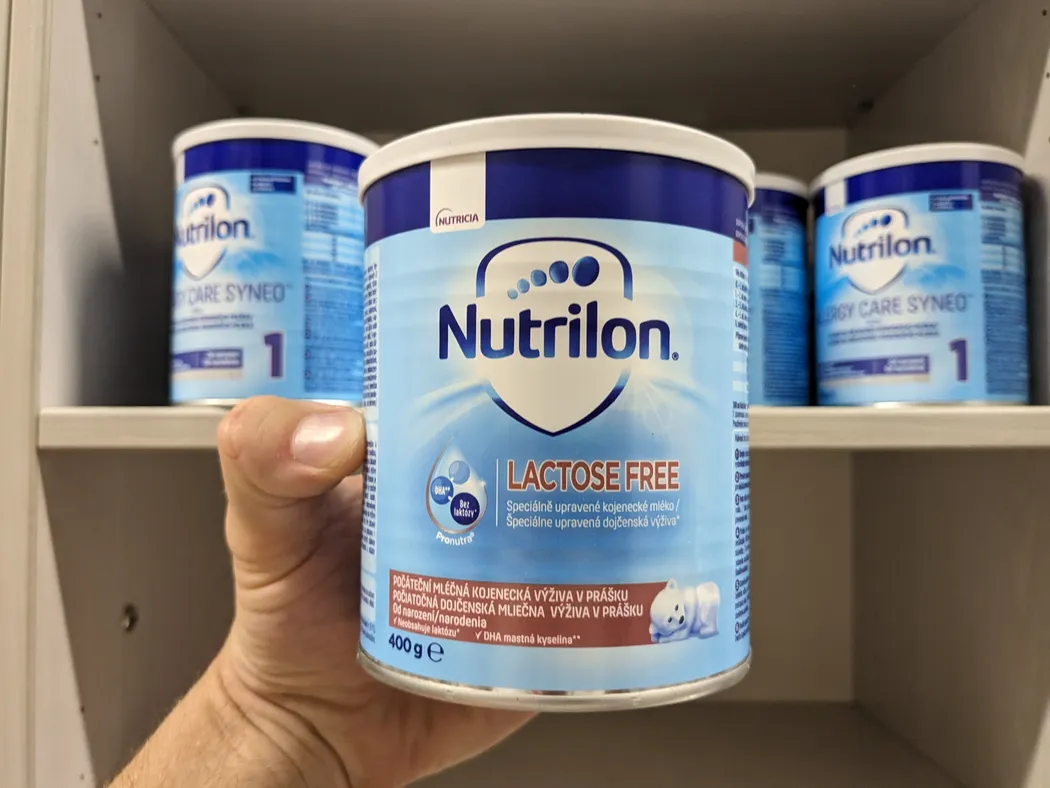
For infants under 12 months who are diagnosed with lactose intolerance and need a lactose-free milk feed, a lactose-free infant formula recommended by a paediatrician may be appropriate. A retail lactose-free cow's milk product should not be used as a substitute for infant formula.

Other Lactose-Free Milk Products Available in India

Understanding the category helps parents avoid confusion between everyday milk products and medical-grade infant nutrition.

  • Lactose-free UHT milks: Several dairy brands offer lactose-free UHT milk alongside other dairy brands. These are all standard adult/child milk products and share the same limitation as other lactose-free cow's milk: they are not suitable as a primary feed for infants under 12 months.
  • Soy-based milk drinks: Soy milk is naturally free of lactose. However, retail soy drinks are also not appropriate as a primary infant feed, and some babies with cow's milk protein allergy also react to soy protein. A paediatrician's guidance is essential before offering soy in any form to an infant.

Specialised lactose-free infant formulas

These are purpose-formulated products designed to meet an infant's complete nutritional needs without lactose. They fall into two broad types:

  • Lactose-free cow's milk-based formulas: suitable for lactose intolerance where cow's milk protein is tolerated.
  • Extensively hydrolysed or amino-acid-based formulas: used when both lactose and cow's milk protein are an issue.

Lactose-free formula for infants is available in India from several international and Indian brands. Some require a doctor's recommendation. Your paediatrician or a paediatric dietitian can guide you to the right product and stage for your baby's age and weight. These formulas are the recommended lactose-free milk option for babies under 12 months, not retail milk.

For broader reading on newborn care basics every new parent should know, Apollo's resource library has practical guides written by healthcare professionals.

When to Consult a Paediatrician

Always consult a paediatrician before changing an infant's milk, especially in the first year of life. This matters because:

  • Symptoms that look like lactose intolerance may have a different cause that needs its own treatment.
  • Switching to an unsuitable product can lead to nutritional gaps.
  • Specialised infant formulas, particularly hydrolysed or amino-acid based ones, are often available on a doctor's recommendation and may be covered under certain health schemes.
  • A doctor can confirm whether secondary lactose intolerance will resolve on its own once the underlying gut issue heals, meaning the dietary change may only be temporary.

Do not rely on a retail product label or a general internet search to decide what to feed a young baby. Even well-meaning advice from family members can lead to choices that are not backed by current paediatric guidance.

Contraindications and Precautions

Lactose-free cow's milk (including lactose-free cow's milk and similar products) should not be used as a primary feed for any infant under 12 months. This is a firm contraindication, not a suggestion.

Additional situations where lactose-free cow's milk is inappropriate:

  • Cow's Milk Protein Allergy: Babies with diagnosed cow's milk protein allergy, because removing lactose does not remove the allergenic proteins.
  • Galactosaemia: Infants with galactosaemia, a rare metabolic condition where galactose (a breakdown product of lactose) cannot be processed. Even lactase-treated milk releases galactose, making it unsafe for these babies.
  • Doctor-Recommended Formula: Any child whose doctor has recommended a specific formula rather than a cow's milk product.

For toddlers over 12 months who have been assessed by a doctor and confirmed to have lactose intolerance, lactose-free cow's milk can be a reasonable part of a balanced diet.

Report any adverse events or unexpected reactions in your child to your healthcare provider or the relevant regulatory authority (CDSCO in India).

Conclusion

Lactose-free milk can be useful for managing confirmed lactose intolerance, but retail lactose-free cow's milk such as lactose-free cow's milk is not suitable as a primary milk feed for infants under 12 months. Removing lactose does not make cow's milk nutritionally equivalent to breast milk or infant formula.

For babies with suspected lactose intolerance, parents should consult a paediatrician before changing feeds or choosing a specialised lactose-free infant formula. A2 lactose-free or regular cow's milk products should also not be used to manage cow's milk protein allergy or galactosaemia. For children over 12 months, an appropriate lactose-free cow's milk may be included in a balanced diet when medically indicated.

FAQS

Is lactose-free milk safe for infants?

Lactose-free milk is not designed for infants under 12 months and should not replace breast milk or infant formula. For babies older than one year, it can be considered as part of a balanced diet after a paediatrician confirms lactose intolerance.
What is the difference between lactose-free milk and regular milk?

Lactose-free milk has had its lactose pre-digested using a lactase enzyme, so it contains glucose and galactose instead of lactose. The protein, calcium, and fat content remain essentially the same, but it tastes a little sweeter.

Can lactose intolerance in babies go away?

Secondary lactose intolerance (triggered by a gut infection) often resolves within a few weeks once the gut lining heals. Congenital lactase deficiency is permanent, but this condition is very rare.

What milk is best for a lactose-intolerant baby under 12 months?

A specialised lactose-free infant formula recommended by your child's paediatrician is the safest choice. Retail cow's milk, even lactose-free, does not meet an infant's full nutritional requirements.

Does lactose-free milk have less calcium?

No. The calcium content in lactose-free milk is comparable to regular cow's milk because only the lactose is removed during processing, not the minerals or proteins.

Apollo 247 Floating Action Button