logo
0

Late Period: Causes, Symptoms, and When to Worry

Learn about late periods, common causes, symptoms, pregnancy-related changes, hormonal factors, and when a delayed menstrual cycle requires medical evaluation.

article image

Dr.Mayank

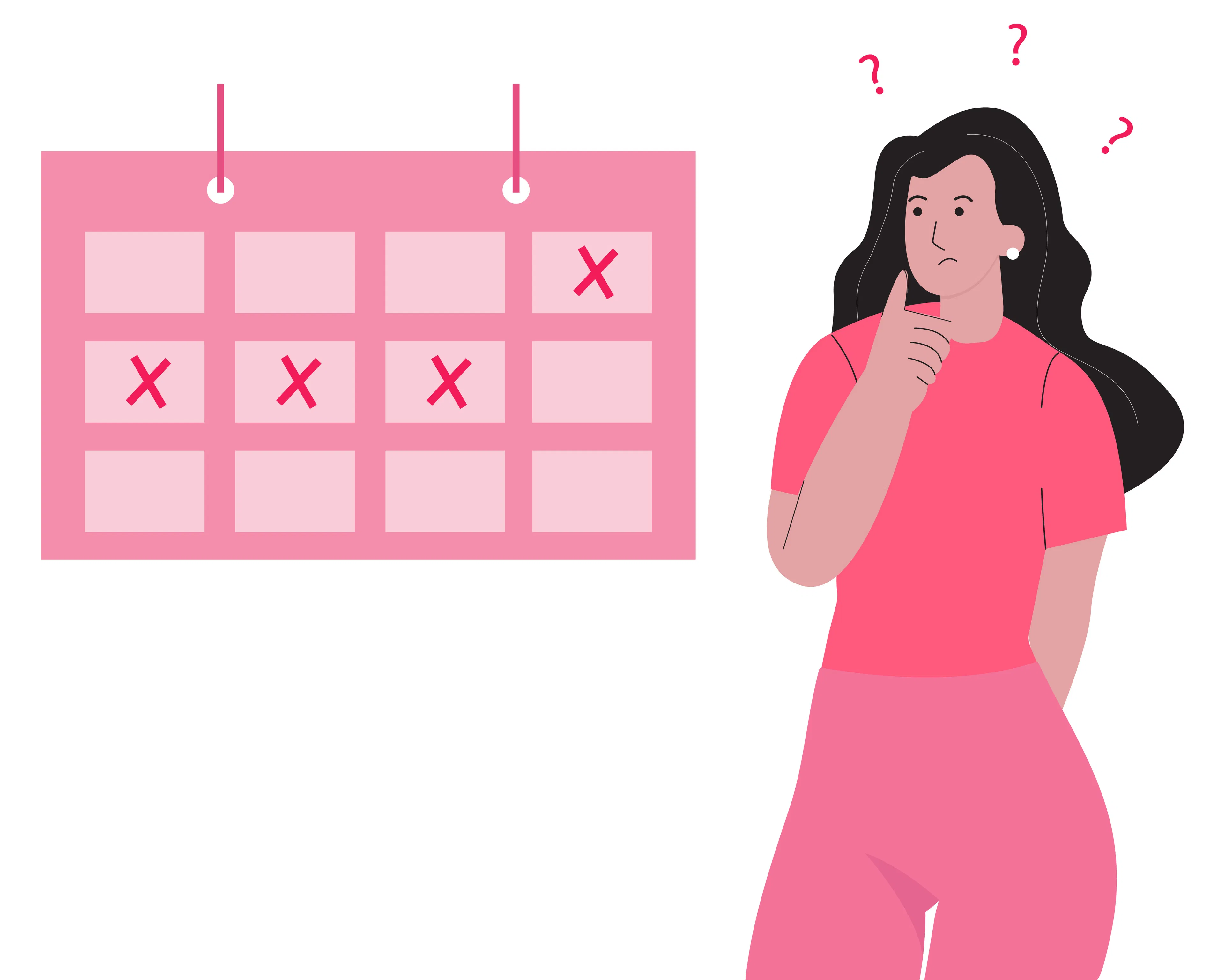
A late period can send your mind racing, and you are far from alone in that. For millions of women, a delayed cycle raises immediate questions about pregnancy, health, and what the body is trying to signal. Understanding what counts as a late period, and the many reasons for a late period beyond pregnancy, can replace anxiety with informed action.

What Counts as a Late Period?

A typical menstrual cycle runs anywhere from 21 to 35 days, counted from the first day of one period to the first day of the next. Because that range is wide, what feels "late" to one person may be perfectly normal for another.

Most doctors consider a period late if it has not arrived within seven days of your expected date, based on your usual pattern. A period is classified as missed if it does not come at all within the expected cycle window. Knowing how many days late is normal for your own body matters more than comparing yourself to an average.

  • Variations of one to two days are common and rarely meaningful.
  • A delay of up to seven days can still fall within normal fluctuation, especially after illness or a disrupted routine.
  • Beyond seven days, it is worth tracking symptoms and, if needed, taking a pregnancy test or speaking to a doctor.

Cycles also shift by a few days month to month, and that is not automatically a sign of something wrong.

Common Reasons for a Late Period

A late period but not pregnant is more common than most people expect. The body is sensitive to internal and external changes, and the menstrual cycle is often the first system to show it. The delayed periods causes range from the straightforward to the hormonal, and most are treatable once identified.

Pregnancy

Pregnancy is always the first thing to rule out. A home urine test is reliable from the first day of a missed period.

Stress

The link between stress and late periods is well established. High stress raises cortisol, which can suppress the hormonal signals that trigger ovulation. Even a difficult work week or an emotionally intense period can push a cycle back by days.

Weight Changes and Exercise

Significant weight loss or gain alters estrogen levels and can interrupt ovulation. Excessive exercise or very low body fat, particularly in competitive athletes, can have the same effect.

PCOS

Polycystic ovary syndrome is one of the leading reasons for late periods in women of reproductive age. It disrupts ovulation, making cycles unpredictable or infrequent.

Thyroid Disorders

Both an underactive and overactive thyroid affect the hormones that regulate the menstrual cycle, often producing irregular periods symptoms before any other sign appears.

Perimenopause

The transition phase before menopause can begin in the early 40s. Cycles become irregular before they stop altogether, and this is a normal biological process.

Hormonal Contraception

Pills, injections, implants, and certain intrauterine devices can lighten or stop periods. Coming off hormonal contraception may also cause a temporary delay while the body re-establishes its natural rhythm.

Other Triggers

Illness, travel across time zones, and disrupted sleep schedules are lesser-known but real contributors to a delayed cycle.

Symptoms That Often Accompany a Late Period

Irregular periods symptoms vary depending on the underlying cause, but several patterns appear consistently. Recognising them helps you track what is happening and communicate it clearly to a doctor.

Common symptoms before or during a delayed period

  • Lower abdominal cramping or a dull ache, even when bleeding has not started
  • Bloating and breast tenderness
  • Mood shifts, including irritability, low mood, or heightened anxiety
  • Light spotting, sometimes linked to implantation bleeding if pregnancy is involved
  • Fatigue and disrupted sleep
  • Changes in appetite

The challenge is that early pregnancy produces many of the same signs. Nausea, breast tenderness, and fatigue can signal either a hormonal shift before a late period or an early pregnancy. A test is the only reliable way to tell the difference.

If your period is late alongside pelvic pain, fever, or a sudden change in vaginal discharge, do not wait. Those combinations need prompt medical attention.
When to Consult a Doctor

Most single delayed periods resolve on their own. Some situations, though, call for a gynaecologist visit sooner rather than later.

Seek medical advice if:

  • Your period is more than a week late and a pregnancy test is negative
  • You have missed three or more consecutive cycles
  • Periods have become consistently irregular over several months
  • You experience severe pelvic pain or cramping
  • Bleeding is unusually heavy or you are passing large clots
  • You have other new symptoms such as unexplained hair growth, acne, sudden weight changes, or abnormal discharge
  • You are under 16 and periods have not started, or you are over 45 and cycles are changing rapidly

These signs can point to PCOS, thyroid dysfunction, premature ovarian insufficiency, or structural issues, all of which respond well to early treatment. A gynaecologist will typically review your cycle history, check hormone levels through blood tests, and may request a pelvic ultrasound.

Keeping a simple period diary with start dates, duration, flow, and symptoms makes any consultation far more useful.

Contraindications and Precautions

Please read this section carefully before trying any remedy or treatment for a late period.

Self-medicating to bring on a delayed period without a confirmed diagnosis is unsafe. Some women take hormonal tablets or herbal preparations to "induce" a period, but doing so without proper evaluation carries real risks.

  • If a pregnancy is present and not yet detected, certain hormonal treatments can be harmful to the pregnancy.
  • Women with a history of blood clots, hormone-sensitive conditions, liver disease, or cardiovascular problems should not take any hormonal preparation without direct medical supervision.
  • Herbal remedies marketed for menstrual regulation are not regulated in the same way as licensed medicines. They can interact with other medications or worsen underlying conditions.
  • Any hormonal treatment for menstrual irregularity requires a diagnosis first, because the right treatment depends entirely on the cause.

If you experience any unexpected side effects after starting a new supplement, herbal product, or prescribed treatment, stop using it and contact your healthcare provider. Report adverse events to your healthcare provider or the relevant regulatory authority.

Conclusion

A late period can happen for many reasons, and pregnancy is only one possible cause. Stress, changes in weight, intense exercise, hormonal fluctuations, polycystic ovary syndrome, thyroid conditions, certain medicines, illness, perimenopause, and changes in contraception can all affect menstrual timing. Symptoms such as breast tenderness, fatigue, nausea, abdominal discomfort, or changes in vaginal discharge may occur with pregnancy or other hormonal changes, so symptoms alone cannot confirm the cause. If pregnancy is possible, a home or blood pregnancy test can help determine whether hCG is present. Occasional variations in cycle length may be normal, but repeatedly missed periods, very irregular cycles, unusually heavy bleeding, severe pelvic pain, or other persistent symptoms should be evaluated by a qualified healthcare professional. A missed period accompanied by severe abdominal pain, heavy bleeding, dizziness, or fainting requires prompt medical attention.

FAQS

How late can a period be before it's a concern?

A delay of up to seven days is generally considered within normal variation for most women, especially if your cycle is not always regular. If your period is more than a week late, or if this happens repeatedly, it is worth speaking to a doctor.

Can a late period happen without pregnancy?

Yes, and it is quite common. Stress, thyroid changes, PCOS, weight fluctuations, and hormonal contraception are all well-recognised delayed periods causes that have nothing to do with pregnancy.

Does stress really delay periods?

It does. Stress raises cortisol levels, which can interfere with the hormones responsible for triggering ovulation. When ovulation is delayed or skipped, your period follows suit. The connection between stress and late periods is one of the most frequently seen patterns in gynaecology practice.

What home remedies help bring on a late period safely?

There are no clinically proven home remedies that reliably and safely induce a period. Reducing stress, maintaining a balanced diet, and getting adequate sleep support overall hormonal health, but if your period is significantly delayed, a medical evaluation is a better first step than self-treatment.

Is a late period a sign of PCOS?

It can be, but a late period alone is not enough to diagnose PCOS. A gynaecologist will look at your symptom pattern, hormone blood tests, and an ultrasound together before making that diagnosis.

Apollo 247 Floating Action Button