logo
0

Litchi for Babies

Wondering, is litchi safe for babies? Discover the safety guidelines, health benefits, risks, and age-by-age tips for introducing lychee to your baby.

article image

Dr.Vasantha Sree

Introducing solid foods to your baby is an exciting milestone. As a parent, you want to offer your little one a colorful variety of fruits and vegetables to support their growth. Exotic fruits often catch our eye during grocery trips, and the sweet, juicy litchi (also known as lychee) is no exception. With its refreshing taste and high water content, it seems like a wonderful treat for a warm day.

But when it comes to infant nutrition, safety always comes first. You might be wondering: is litchi good for babies, or does it pose health risks?

While litchi is packed with essential nutrients like Vitamin C and antioxidants, it requires careful handling and timing before it can be safely introduced to an infant's diet. In this comprehensive guide, we will explore the nutritional benefits, the specific safety precautions you must take, age-by-age feeding guidelines, and how to prepare this tropical fruit safely for your little one.

What is Litchi?

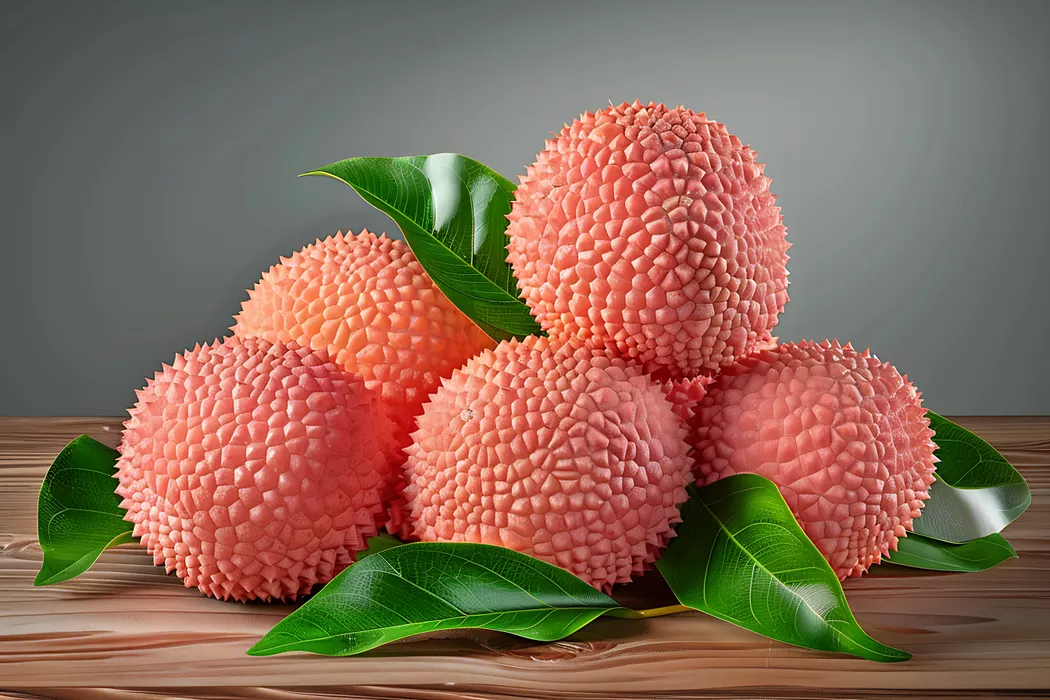
Litchi is a tropical fruit native to Southeast Asia, characterized by its bumpy, pinkish-red leathery rind, translucent white flesh, and a single dark brown seed. It belongs to the soapberry family and is highly prized for its sweet, floral flavor.

When analyzing whether litchi is good for babies, we must look at both its nutritional profile and its chemical composition. When ripe and consumed correctly, litchis offer a burst of hydration and essential vitamins. However, they also contain natural compounds that require parents to exercise extreme caution.

Nutritional Value: Is Litchi Good for Babies?

To understand if litchi is good for babies, let's look at what this small fruit has to offer. A 100-gram serving of fresh litchi provides:

  • Water: ~82% (Excellent for hydration)
  • Calories: 66 kcal
  • Vitamin C: 71.5 mg (More than 100% of the daily recommended intake for infants)
  • Fibre: 1.3 grams
  • Potassium: 171 mg
  • Antioxidants: Rich in polyphenols and flavonoids

Key Health Benefits for Infants

If served under the right conditions and at the right age, litchis can support your baby’s health in several ways:

  1. Boosts Immunity: Litchis are exceptionally high in Vitamin C. According to pediatric health guidelines, Vitamin C is crucial for a strong immune system, healthy skin, and optimal iron absorption from plant-based foods.
  2. Aids Digestion: The dietary Fibre in litchi helps promote healthy bowel movements and prevents constipation, a common issue when infants transition to solid foods.
  3. Promotes Hydration: Because of their high water content, litchis are a great way to keep your baby hydrated, especially during the hot summer months.
  4. Cellular Protection: The antioxidants present in litchis protect your baby’s developing cells from oxidative stress and free radical damage.

The Big Question: Is Litchi Safe for Babies?

While the nutrient profile of litchi may offer several benefits, safety is the most important consideration when introducing it to babies. So, is litchi safe for babies? Yes, but only under specific safety precautions. Unlike everyday fruits such as apples or bananas, litchi has certain potential risks that parents should understand before offering it to their baby.

1. The Risk of Hypoglycin A and MCPG (Litchi Toxicity)

Medical researchers, including the World Health Organization (WHO) and the Centers for Disease Control and Prevention (CDC), have investigated outbreaks of a brain-swelling condition (encephalopathy) in children from litchi-growing regions in India and Bangladesh.

  • Natural Toxins: Litchis contain naturally occurring toxins called hypoglycin A and methylenecyclopropylglycine (MCPG).
  • Higher in Unripe Fruit: These toxins are present at higher levels in unripe (greenish) litchis.
  • Effect on Blood Sugar: They can interfere with glucose production in the body, potentially causing dangerously low blood sugar levels (severe hypoglycaemia).
  • Crucial Rule: The risk is particularly associated with consuming unripe litchis on an empty stomach, especially in malnourished children.

For a well-nourished baby who is fed fully ripe litchis as a dessert or snack after a meal, the risk is extremely low. However, to keep your baby completely safe, never offer litchis to a fasting or hungry baby, and ensure the fruit is entirely ripe.

2. Extreme Choking Hazard

Litchis are slippery, round, firm, and contain a large, hard seed. This combination makes them a major choking hazard for babies and toddlers. To make it safe, you must always peel the fruit, completely remove the seed, and mash or puree the flesh before serving.

Age-by-Age Guide: Can I Give Litchi to My Baby?

As infants grow, their digestive systems and motor skills develop rapidly. Here is a breakdown of how and when you can introduce litchi based on your baby’s age.

Can I Give Litchi to My 6 Month Old Baby?

When your baby hits the half-year mark, you might wonder, can I give litchi to my 6 month old baby? At 6 months, most babies are just beginning their solid journey. Their digestive tracts are highly sensitive, and they are still mastering the art of swallowing.

  • The Verdict: It is generally recommended to avoid giving litchi to a 6-month-old. Why? At this stage, it is much safer to introduce single-ingredient, low-risk purees like apples, pears, sweet potatoes, or avocados. Because of the potential toxicity of unripe fruits and the high sugar content of litchis, it is best to wait until your baby's digestive system is a bit more mature.

Can I Give Litchi to My 7 Month Baby?

As your baby transitions to the next month, you might ask, can I give litchi to my 7 month baby?

  • The Verdict: You can introduce litchi at 7 months, but only with extreme caution and in very small quantities.
  • How to serve: If you choose to offer it, the fruit must be fully ripe, thoroughly washed, peeled, deseeded, and blended into a completely smooth puree.
  • The Golden Rule: Always feed your baby a main meal (like breast milk, formula, or infant cereal) before offering a small taste of litchi puree. Never feed litchi on an empty stomach.

Can I Give Litchi to My 1 Year Old Baby?

By the time your little one reaches their first birthday, you may ask, can I give litchi to my 1 year old baby?

  • The Verdict: Yes, a 1-year-old can safely enjoy litchi as part of a balanced diet.
  • How to serve: By 12 months, your baby’s digestive system is stronger, and they are developing their pincer grasp. However, the choking hazard remains high.
  • Do not give whole litchis: Peel and completely deseed the ripe fruit, then chop it into tiny, bite-sized pieces or gently mash it. Always supervise your child while eating.

How to Choose and Prepare Litchis Safely for Babies

If you have decided that your baby is at the right age and you want to introduce this sweet fruit, follow these safety steps to minimise all risks:

  • Step 1: Check Ripeness (Choose only bright red/pink, slightly soft fruits)
  • Step 2: Wash Thoroughly (Remove dirt, bacteria, and pesticide residues)
  • Step 3: Peel and Deseed (Remove the outer leathery rind and the hard inner pit)
  • Step 4: Inspect the Flesh (Ensure no seed fragments or brown spots remain)
  • Step 5: Puree, Mash, or Chop (Adjust the texture to match your baby's developmental stage)

1. Selection is Key

  • Look for Ripe Fruit: Choose litchis that have a bright red or pinkish shell. Avoid green litchis, as they are unripe and contain higher levels of the toxins Hypoglycin A and MCPG.
  • Check the Texture: A ripe litchi should yield slightly to gentle pressure but should not be excessively mushy or leaking juice.
  • Smell It: It should have a sweet, floral aroma. If it smells sour or fermented, it is overripe or spoiled.

2. Safe Preparation Techniques

  • Wash Thoroughly: Clean the outer shell under running water to remove dirt, bacteria, or pesticide residues before peeling.
  • Peel and Deseed: Carefully peel off the pink skin. Cut the white flesh open and remove the large dark seed entirely. Check the cavity of the fruit to ensure no seed fragments or membrane linings remain.

Modify Texture:

  • For 7-9 months: Blend the flesh into a silky-smooth puree. You do not need to add sugar, as litchis are naturally very sweet.
  • For 10-12 months: Mash the fruit thoroughly with a fork, ensuring there are no large, slippery chunks.
  • For 1 year and older: Finely dice the flesh into tiny, irregular pieces.

Allergy Risks and the "3-Day Rule"

While litchi allergies are relatively rare, they can occur. When introducing litchi, or any new solid food, to your infant, always practice the 3-Day Rule:

  1. Introduce litchi as a single new food without introducing any other new foods for three consecutive days.
  2. Observe your baby closely for any signs of an allergic reaction.
  3. Feed only a small amount (1-2 teaspoons of puree) on the first day.

Signs of an Allergic Reaction:

If you notice any of the following symptoms, stop feeding litchi immediately and consult your pediatrician:

  • Hives, red itchy bumps, or skin rashes
  • Swelling of the lips, tongue, or face
  • Vomiting or diarrhoea
  • Wheezing, coughing, or difficulty breathing (seek emergency medical help immediately)

Conclusion
 

In summary, litchi can be included in a baby’s diet when introduced at an appropriate age and prepared carefully. Always choose fully ripe fruit, remove the skin and seed completely, and serve it in an age-appropriate texture to reduce choking risks. Avoid giving unripe litchis or serving them on an empty stomach, and introduce small amounts while watching for any allergic reactions. With these precautions, litchi can be an occasional, refreshing addition to a varied and balanced diet.

FAQS

Is litchi juice safe for babies?

Litchi juice is not recommended for babies under one year of age. According to pediatric health experts, whole fruit purees are healthier than juice because juicing strips away dietary Fibre, leaving a high concentration of natural sugars. For infants over one year, you can occasionally offer a small sip of freshly prepared, unsweetened litchi juice, but water and breast milk or formula should remain their primary beverages.

Can litchi cause brain damage in babies?

Litchi can only cause brain-swelling issues (encephalopathy) if a child eats unripe litchis on an empty stomach. The toxins in unripe litchis block glucose production, which can cause severe hypoglycemia and neurological complications. Ripe litchis fed to a well-nourished baby after a meal do not pose this danger.

How do I know if a litchi is ripe enough for my baby?

A ripe litchi will have a vibrant pinkish-red or deep red skin. It should feel slightly soft when gently squeezed, but not mushy. Avoid litchis with green skin, as they are unripe and contain higher concentrations of natural toxins.

Can litchi cause constipation in babies?

No. When served in moderation, the dietary Fibre and high water content in ripe litchis actually help support smooth digestion and prevent constipation in infants.

Can I mix litchi puree with other fruits?

Yes! Once your baby has successfully tried litchi individually without any allergic reactions, you can mix litchi puree with other baby-safe purees like apple, pear, or banana to balance the sweetness and add variety to their palate.

Apollo 247 Floating Action Button