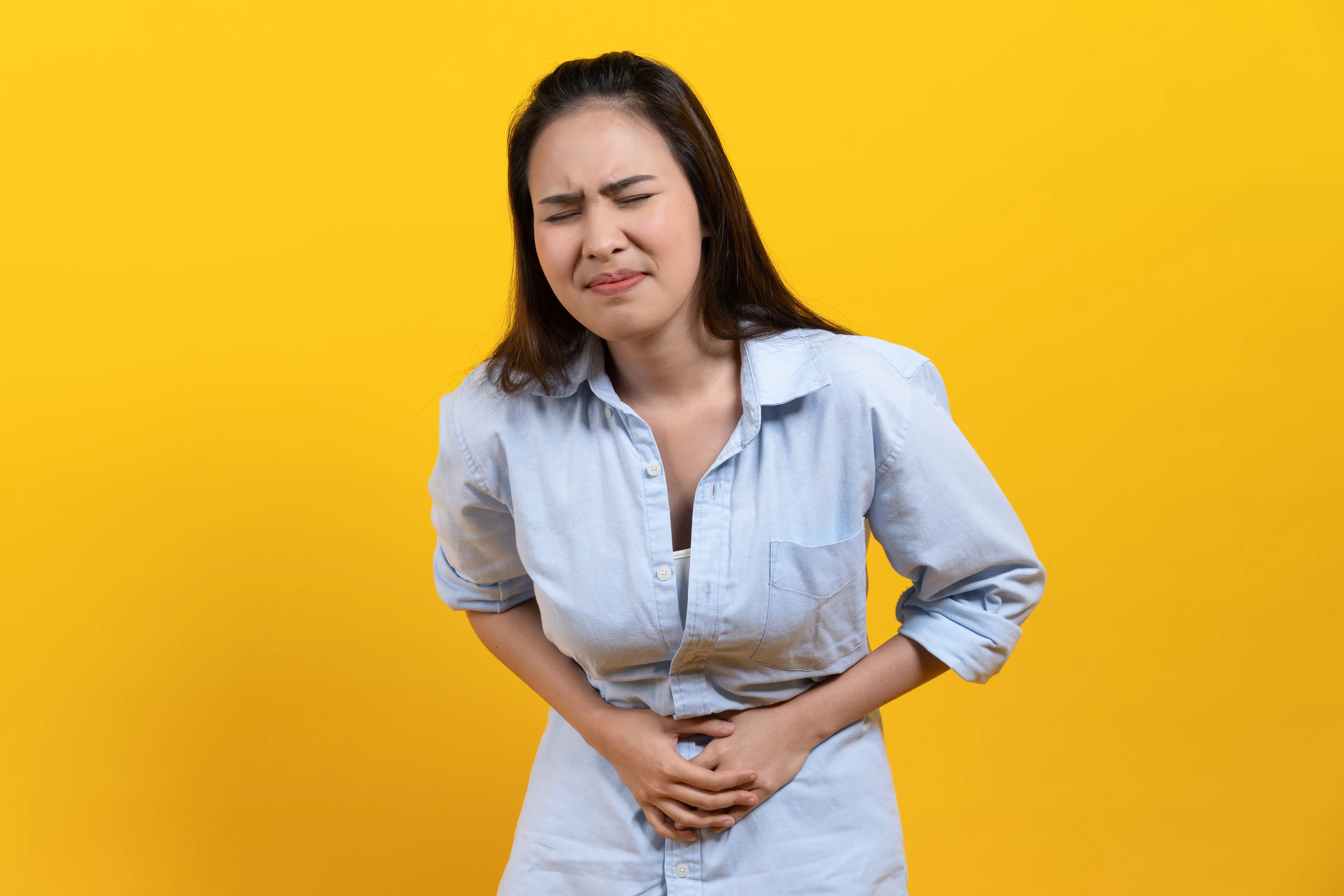
Lower Abdominal Pain in Women: Causes, Signs & Care
Lower Abdominal Pain in Women: Causes, Signs & Care
Lower abdominal pain in women can stem from period cramps, early pregnancy, UTIs, or cysts. Learn key causes, side-specific signs, red flags, and when to get help.
Lower abdominal pain in women is one of the most common health complaints, yet it can mean very different things depending on where it sits, how it feels, and when it strikes. For some women, it is ordinary period cramping; for others, it is the first sign of pregnancy, a urinary tract infection, or something needing urgent attention. Understanding the likely causes helps you decide whether to wait it out, call your doctor, or go straight to the emergency room.
The pelvis holds the uterus, ovaries, fallopian tubes, bladder, and part of the bowel, so pain here can come from any of those organs. The broad categories of lower abdominal pain in women causes include:
Menstrual and Reproductive Causes
Period cramps (dysmenorrhoea): Painful cramping caused by natural body chemicals called prostaglandins that make the womb contract during a period.
Mid-cycle ovulation pain (mittelschmerz): A sharp, mild one-sided twinge felt halfway through your cycle as the ovary releases an egg.
Cysts, fibroids, or endometriosis: Benign growths or tissue conditions in and around the womb that cause persistent pelvic aching.
Pelvic inflammatory disease (PID): A bacterial infection travelling up into the reproductive organs that triggers ongoing lower stomach pain, unusual discharge, and fever.
Early pregnancy complications: An ectopic pregnancy (growing outside the womb) or a threatened pregnancy loss marked by one-sided pain and vaginal bleeding.
Urinary Causes
Urinary tract infection (UTI): A low, burning pelvic ache accompanied by stinging pain when passing urine (dysuria) and a frequent urge to pee.
Kidney stones (renal calculi): Sharp, wave-like spasms radiating from the lower back and side down into the groin and lower belly.
Digestive Causes
Functional bowel disorders: Constipation, trapped gas, or irritable bowel syndrome (IBS) triggering bloating and spasms.
Acute appendicitis: Rapidly worsening inflammation in the right lower quadrant requiring surgical evaluation.
Inflammatory bowel disease: Chronic conditions like Crohn's disease or ulcerative colitis causing deep abdominal cramps.
Other Causes
Musculoskeletal strain: Muscle pulls or pelvic floor ligament strain from posture or heavy lifting.
Stress-related tension: Gut-brain axis stimulation resulting in intestinal muscle tension.
Because so many structures share this small region, the location, character, and timing of pain all matter when identifying causes of pelvic pain in females.
Pregnancy-Related Cramping vs Period Pain: How to Tell the Difference
One of the most frequently searched questions in women's health is whether lower abdominal pain signals pregnancy or just the usual period. The sensations can overlap, but several clues help.
Timing
Period cramps typically begin one to two days before bleeding and ease within two to three days. Implantation cramping occurs roughly six to twelve days after ovulation, well before a period is due. Early pregnancy cramps can continue as a dull ache for several weeks as the uterus expands.
Character of the pain
Period cramps often feel like a rhythmic, squeezing sensation across the centre of the lower abdomen and sometimes the lower back.
Early pregnancy cramps tend to be milder, more of a pulling or stretching sensation, and often one-sided as ligaments adjust.
Bleeding pattern
Feature
Period
Early Pregnancy
Bleeding volume
Moderate to heavy
Light spotting or none
Colour
Red
Pale pink or brownish
Duration
3 to 7 days
1 to 2 days at most
Clots
Common
Rare
Associated symptoms
Nausea, breast tenderness, heightened sense of smell, and fatigue alongside cramping point more toward pregnancy than a period. A missed period combined with mild cramps is reason enough to take a home pregnancy test.
Is lower abdominal pain a sign of pregnancy? It can be, particularly the light, one-sided ache of implantation. Pain alone is not a reliable indicator, though; a pregnancy test and, if needed, a blood HCG level provide the definitive answer.
Left Side vs Right Side Lower Abdominal Pain
Location offers useful diagnostic clues, though referred pain can sometimes mislead.
Right side lower abdominal pain in women
The appendix sits in the right lower quadrant. Right side lower abdominal pain that starts near the navel and shifts to the lower right, worsens over hours, and arrives with fever and nausea should be treated as possible appendicitis until proven otherwise. An ovarian cyst or ectopic pregnancy on the right ovary also produces sharp, localised pain on that side.
Left side lower abdominal pain in females
Left side lower abdominal pain that female patients commonly report is linked to constipation or trapped gas in the sigmoid colon, an ovarian cyst on the left side, or a left-sided ectopic pregnancy. Diverticular disease, more common after 40, can also cause crampy left-sided pain with changes in bowel habit.
Mid-line pain
Bladder infections and uterine conditions such as fibroids and endometriosis tend to cause central, low pain rather than strongly one-sided discomfort.
Red Flag Symptoms: When Lower Abdominal Pain Is an Emergency
Knowing when to see a doctor, or when to skip the clinic and go straight to emergency care, can be lifesaving. The question of when to see a doctor for lower abdominal pain is not always straightforward, but the following signs should always prompt immediate action. Go to an emergency department or call for help right away if you have:
Sudden "tearing" pain: Sharp, agonizing pain that feels like an internal rupture (suggesting a ruptured ovarian cyst, ectopic pregnancy, or appendix).
High fever: Lower belly pain accompanied by a fever above 38°C (100.4°F) and chills.
Severe vaginal bleeding: Bleeding heavily enough to soak through more than one full sanitary pad an hour.
Signs of severe internal blood loss or shock: Fainting, severe dizziness, pale skin, confusion, or a racing heartbeat indicating dangerous internal bleeding.
Referred shoulder-tip pain: A sharp pain right at the tip of the shoulder, which is a classic warning sign that internal pelvic bleeding is irritating nerves under the diaphragm.
Pain during confirmed pregnancy: Any severe cramping combined with vaginal spotting or tissue passage.
Unrelenting pain: A continuous, severe ache that fails to subside after several hours of complete rest.
These situations should not be managed at home. Delay in conditions like a ruptured ectopic pregnancy or appendicitis can be life-threatening.
Contraindications and Precautions
For mild period cramps, many women reach for an over-the-counter option. Amvin Tablet, available as an OTC pain relief option for mild cramps, can help take the edge off. However, not everyone should self-medicate without checking with a doctor first.
Avoid OTC painkillers without medical advice if you:
Pregnancy or suspected conception: Many common analgesics (such as NSAIDs) carry significant foetal risk and should not be used without obstetric guidance.
Gastrointestinal and renal conditions: Active peptic ulcers, renal impairment, or a history of stomach bleeding contraindicate standard anti-inflammatories.
Drug interactions: Concurrent use of anticoagulants, blood thinners, or antihypertensives requires professional review before taking pain relief.
Undiagnosed acute pain: Self-medicating unconfirmed pain can mask evolving surgical signs (such as appendicitis) and delay critical care.
Lactation: Breastfeeding mothers should confirm that the active formulation is safe for infant exposure before consumption.
Report any unexpected side effects from OTC medicines to your healthcare provider or to the Central Drugs Standard Control Organisation (CDSCO), the relevant regulatory authority in India.
How Is Lower Abdominal Pain Diagnosed and Treated?
When you visit a doctor for lower abdominal pain, they will ask about your menstrual cycle, sexual history, bowel habits, and any associated symptoms before examining you. Common investigations include:
Urine test to check for infection or pregnancy.
Pelvic ultrasound to look at the uterus, ovaries, and surrounding structures.
Blood tests including a full blood count and, if pregnancy is suspected, serum HCG.
Swabs for sexually transmitted infections if PID is a possibility.
Treatment depends entirely on the cause. Period pain may respond to heat, rest, and appropriate OTC pain relief under pharmacist guidance. Infections need antibiotics prescribed by a doctor. Conditions like ovarian cysts, fibroids, or endometriosis may require specialist gynaecological care, hormonal management, or surgery. Appendicitis and ectopic pregnancy are surgical emergencies.
Self-diagnosis is risky when pain is new, severe, or accompanied by other symptoms. A timely consultation is always the safer choice.
Conclusion
Lower abdominal pain in women can range from normal menstrual cramps and ovulation twinges to serious conditions like pelvic infections, appendicitis, or early pregnancy complications. Mild, cyclical cramps are generally harmless, but sudden, severe pain, especially when paired with red flags like heavy bleeding, fever, shoulder-tip pain, or fainting, demands immediate emergency medical care. Never self-medicate undiagnosed abdominal pain with over-the-counter painkillers without medical advice. If pelvic pain is persistent, unusually intense, or disrupts your daily life, consult a gynaecologist promptly for an accurate diagnosis via ultrasound and targeted clinical care.
FAQS
What does lower abdominal pain in women indicate?
It can point to a wide range of conditions, including menstrual cramps, ovarian cysts, UTIs, digestive issues, or in some cases an ectopic pregnancy or appendicitis. The location, timing, and accompanying symptoms help a doctor narrow down the cause.
Can stress cause lower abdominal pain in women?
Yes. Stress activates the gut-brain axis and can trigger spasms or cramping in the intestines, worsening conditions like IBS. If pain is clearly stress-related and resolves with relaxation, it is less likely to be a gynaecological emergency, but persistent pain still warrants a check-up.
Is lower abdominal pain normal in early pregnancy?
Mild, intermittent cramping in early pregnancy is common as the uterus stretches. It becomes a concern when the pain is severe, one-sided, or accompanied by bleeding, as these can be signs of an ectopic pregnancy or miscarriage requiring immediate care.
How long does period-related abdominal pain last?
Period cramps typically last one to three days, peaking in the first day or two of bleeding. Pain that lasts longer than three days, is unusually severe, or does not respond to standard relief measures may suggest endometriosis or another condition worth investigating.
When should a woman see a gynecologist for abdominal pain?
See a gynaecologist if pain is recurrent, disrupts daily life, occurs outside your period, is associated with unusual bleeding or discharge, or if you are trying to conceive. Prompt review matters, and understanding when lower abdominal pain warrants a doctor visit is key to catching treatable conditions early.