logo
0

Maggi and Junk Food for Toddlers

Learn about Maggi and junk food for toddlers, including potential concerns, healthier alternatives, portion tips, and ways to build balanced eating habits.

article image

Dr.Ezhilrasan

Mealtime with a toddler can often feel like a daily battle of wills. Between picky eating phases, teething discomfort and busy family schedules, parents frequently find themselves searching for quick, easy meals that their kids will actually eat without a fuss. Instant noodles, particularly Maggi, are a household favourite across the globe due to their delicious, savoury taste and lightning-fast preparation time.

However, as a parent, your child’s health and development are your top priorities. You might find yourself standing in your kitchen, noodle packet in hand, asking: can I give Maggi to my 2-year-old baby?

This is a crucial question that opens up a much larger, highly important conversation about baby junk food and how early dietary choices shape a child’s lifelong physical and mental health. In this comprehensive guide, we will break down the nutritional facts, explore the science behind early childhood dietary habits and provide you with delicious, toddler-approved alternatives that are both fast and healthy.

Understanding the Nutrition (or Lack Thereof) in Instant Noodles

To understand why instant noodles are not recommended for young children, we must look closely at what actually goes into a single packet of Maggi. While highly convenient, the nutritional profile of instant noodles raises several major red flags for paediatric health experts.

1. Excessively High Sodium Content

A toddler’s daily sodium requirement is extremely small. According to established paediatric guidelines, children aged 1 to 3 years should consume no more than 800 to 1,000 milligrams of sodium per day.

A single serving of instant noodles often contains anywhere from 700 to over 1,000 milligrams of sodium, mostly concentrated in the seasoning packet (tastemaker). Feeding this to a toddler means they may easily exceed their entire daily limit of salt in just one small snack.

2. Refined Wheat Flour (Maida)

Instant noodles are primarily made of highly refined wheat flour, commonly known as maida. During the milling process, the nutrient-rich bran and germ of the wheat are stripped away.

This leaves behind a simple carbohydrate that is highly processed and rapidly digested. Refined flour lacks dietary fibre, which is essential for healthy digestion, and it offers very little in the way of essential vitamins and minerals.

3. Flash-Frying and Unhealthy Fats

To make instant noodles cook in just two minutes, manufacturers dry the noodles during production by flash-frying them in oil, most commonly palm oil or other hydrogenated vegetable oils. This process infuses the noodles with saturated fats and empty calories, which do not contribute to your toddler's healthy cellular or cognitive development.

4. Preservatives and Artificial Additives

To maintain a shelf life of several months, packaged instant noodles contain food additives, preservatives and flavour enhancers like Monosodium Glutamate (MSG) or its chemical equivalents. While these chemicals are deemed safe in small quantities for fully grown adults, a toddler’s developing detoxification pathways (their liver and kidneys) are far more sensitive to chemical additives.

Can I Give Maggi to My 2-Year-Old Baby? The Definitive Verdict

Let us directly answer the primary question: can I give Maggi to my 2-year-old baby?

The short answer from paediatricians and paediatric nutritionists is a resounding no.

At two years of age, your child is in a critical, rapid window of physical and cognitive growth. Every single calorie they consume should ideally be packed with the construction materials their bodies need: high-quality proteins, healthy fats, calcium, iron and essential vitamins.

Feeding your child instant noodles fills their small stomach with empty calories and simple carbohydrates. Because their stomachs are so tiny, eating a bowl of noodles leaves absolutely no room for the nutrient-dense foods they desperately need to thrive.

Furthermore, if you are asking yourself, "Can I give Maggi to my 2-year-old baby even just once in a while as a special treat?" it is still highly discouraged. Early childhood is the precise time when a child’s taste preferences are hardwired.

If you introduce highly processed foods that are heavily salted, sweetened and artificially flavoured, your toddler's palate will adapt to these intense flavours. Consequently, naturally mild and highly nutritious foods, such as fresh vegetables, fruits, lentils and simple whole grains, will begin to taste bland and unappealing to them, setting the stage for chronic picky eating.

Age-by-Age Breakdown: Maggi and Young Children

As infants grow into toddlers, their digestive capabilities change. Here is a clear, age-by-age breakdown of how instant noodles impact your child’s developing body.
 

Age GroupCan They Eat Maggi?Health Implications & Concerns
Under 1 YearAbsolute NoSevere kidney strain, choking hazard, nutritional lack.
2 Years OldStrongly DiscouragedEmpty calories, taste conditioning, high sodium.
3 Years & OlderLimit Strictly (Rare Treat)
Potential for obesity, metabolic issues, picky eating.
 

Can I Give Maggi to My 1-Year-Old Baby?

Under the age of one, an infant's digestive system, kidneys and liver are still in their earliest stages of maturation. If you are wondering, can I give Maggi to my 1-year-old baby, the answer is an absolute, non-negotiable no.

The World Health Organization (WHO) explicitly advises that infants under twelve months should consume absolutely no added sugars or high-sodium processed foods. An infant's kidneys are simply not mature enough to filter the intense salt load found in instant noodles, which can lead to severe dehydration and kidney strain.

Can I Give Maggi to My 2-Year-Old Baby?

At two years old, your toddler's digestive system is slightly more robust than an infant's, but they are still highly vulnerable. When you ask, "Can I give Maggi to my 2-year-old baby?", you must weigh the minor convenience of a 2-minute meal against the risk of developmental deficits.

At age two, brain growth is incredibly rapid, and muscle development requires high-quality, easily absorbable proteins and iron, neither of which is present in instant noodles.

Can I Give Maggi to My 3-Year-Old Baby?

As children grow, parents sometimes let their guard down. You might ask, can I give Maggi to my 3-year-old baby as an occasional weekend treat?

While a three-year-old child can digest processed foods slightly better than a younger toddler, it is still best to keep instant noodles out of their regular diet. Routinely feeding three-year-olds processed foods increases the long-term risk of childhood obesity, early dental cavities and poor metabolic health.

If you do choose to introduce noodles to a child over three, it should be an extremely rare exception, and the dish should always be heavily supplemented with fresh, finely chopped vegetables and a clean source of protein, such as scrambled egg or crumbled paneer (cottage cheese).

The Hidden Dangers of Baby Junk Food

The issue of instant noodles is part of a much larger global health concern: the rise of baby junk food in modern diets.Packaged cookies, cheese puffs, sugary juices and instant meals are carefully engineered to be hyper-palatable. This means they are designed with the perfect combination of salt, sugar and fat to trigger the reward centres in the brain, making them highly addictive.

When a parent allows a habit of baby eating junk food to establish itself, it initiates a highly damaging nutritional cycle:

  • Risk of Iron-Deficiency Anaemia: Junk foods lack iron. Iron is critical for brain development, oxygen transport and energy levels in toddlers. Children who fill up on low-iron junk foods are at a much higher risk of developing anaemia.
  • Weakened Immune System: Toddlers require vitamins A, C and E, as well as zinc, to build a strong immune defence. A diet of highly processed foods leaves them susceptible to frequent colds, flu and infections.
  • Chronic Constipation: Because refined flour lacks dietary fibre, toddlers who eat processed foods regularly often suffer from painful bowel movements and chronic constipation.
  • Metabolic Risks: According to the Centers for Disease Control and Prevention (CDC), establishing poor dietary habits in early childhood significantly increases the risk of developing chronic health conditions later in life, including paediatric hypertension, type 2 diabetes and high cholesterol.

Healthy, Fast and Toddler-Approved Alternatives to Maggi

We understand that parents need quick, reliable options, especially on exhausting days. Fortunately, you do not have to compromise on your child's health to save time.

Here are five delicious, wholesome alternatives that take less than 15 minutes to prepare and are packed with the nutrients your growing toddler needs.

1. Homemade Whole Wheat or Millet Vermicelli (Sevaiyan)

Vermicelli has a very similar long, thin noodle texture that toddlers find fun to eat.

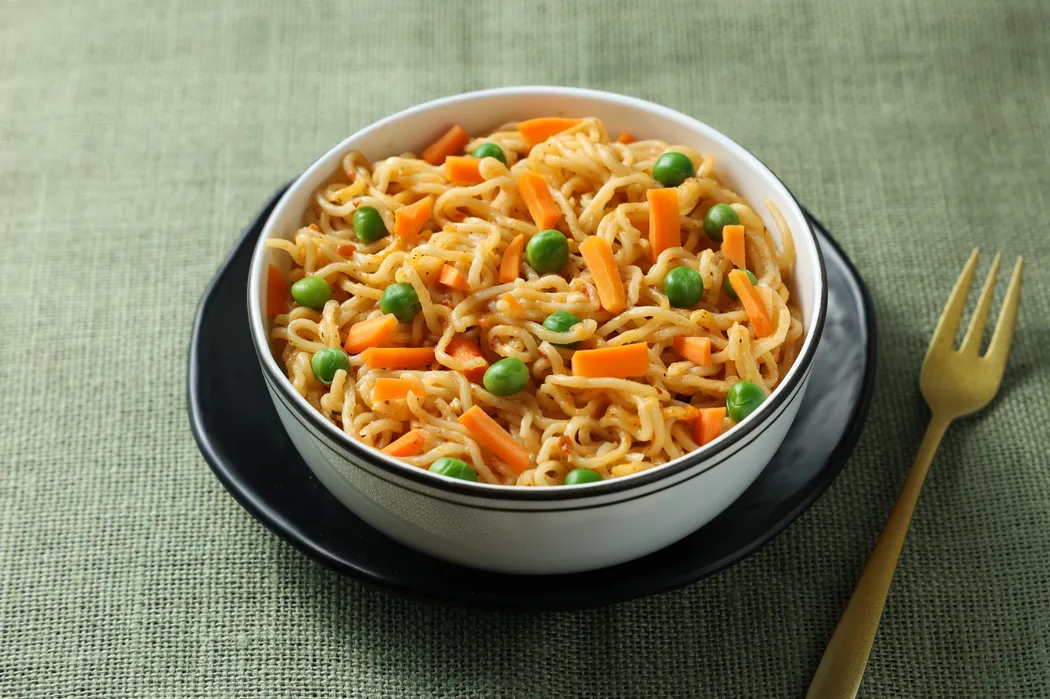
How to make it: Choose 100% whole wheat or ragi (finger millet) vermicelli. Lightly roast it, then temper it with a touch of ghee, cumin seeds and finely grated carrots and green peas. Cook with water until soft and easy to chew.

2. Vegetable Khichdi

Often referred to as India's ultimate comfort food, khichdi is a perfect balance of carbohydrates and proteins.

How to make it: Combine washed yellow moong dal (lentils) and white or brown rice in a pressure cooker. Add a pinch of turmeric, a small dollop of ghee and mashed vegetables like bottle gourd, pumpkin or spinach. Cook until mushy and serve warm.

3. Savoury Oats Upma

Oats are incredibly rich in soluble fibre, which keeps your toddler's digestion running smoothly and provides steady, long-lasting energy.

How to make it: Dry-roast quick oats. In a pan, sauté a tiny pinch of mustard seeds, curry leaves and grated carrots in ghee. Add the oats and water, cooking for 3 to 5 minutes until soft.

4. Rava (Suji) Upma

Semolina (rava) is highly digestible and incredibly gentle on a toddler’s developing stomach.

How to make it: Sauté semolina until fragrant. Cook it with water, a tiny pinch of salt and finely mashed, boiled peas and carrots. Add a spoonful of fresh butter or ghee at the end for healthy fats.

5. Whole Grain Pasta with Homemade Puree

If your child is drawn to the shapes and textures of pasta, you can easily make a highly nutritious version at home.

How to make it: Cook 100% whole grain or lentil-based pasta until very soft. For the sauce, steam fresh tomatoes and spinach, blend them together into a smooth puree and toss the pasta in it with a tiny sprinkle of mild cheese.

How to Help Your Toddler Transition Away from Junk Food

If your toddler has already developed a taste for processed snacks, do not feel discouraged or guilty. You can gently and successfully guide them back to whole, healthy foods using these proven strategies:

  • Practise the "Out of Sight, Out of Mind" Rule: If instant noodles and packaged snacks are not in your kitchen pantry, your child cannot ask for them. Stock your kitchen with fresh fruits, yoghurt and home-cooked snacks instead.
  • Be a Consistent Role Model: Children learn by watching their parents. If they see you enjoying fresh fruits, vegetables and whole grains, they will naturally become curious and want to try those foods too.
  • Make Healthy Food Fun: Use creative presentation. Cut fruits into fun shapes using cookie cutters, make colourful vegetable purees or arrange food on their plate to look like a happy face.
  • Involve Your Toddler: Let your 2- or 3-year-old join you in the kitchen. They can help wash vegetables, peel boiled potatoes or stir cool ingredients. When children help prepare a meal, they are far more likely to eat it.

FAQS

Can I make Maggi healthy by adding lots of fresh vegetables?

While adding fresh vegetables does increase the fibre and vitamin content of the dish, it does not fix the underlying issues. The noodles themselves are still made of highly refined flour (maida) and pre-fried in unhealthy palm oil. Furthermore, the seasoning packet still contains high levels of sodium. It is much safer and healthier to use organic, whole-wheat vermicelli or whole-grain pasta with your vegetables instead.

What should I do if my 2-year-old has already eaten Maggi?

Please do not panic or feel guilty. Having instant noodles once or twice will not cause long-term harm to your child. Simply recognise it as an unhealthy option, avoid keeping it in your home and focus on offering fresh, nutrient-dense whole foods moving forward.

Why is excess sodium so dangerous for toddlers?

As noted by major medical institutions like the Cleveland Clinic, a toddler’s kidneys are still developing and cannot efficiently process high amounts of salt. Consuming too much sodium puts undue stress on their kidneys, can lead to dehydration and increases the long-term risk of developing high blood pressure.

Are "organic" or "multigrain" instant noodles safe for toddlers?

Many brands market alternative instant noodles as "organic", "multigrain" or "kid-friendly". While these options may contain slightly better ingredients than standard noodles, they are still highly processed packaged foods that often contain significant amounts of sodium and preservatives. Always read the nutrition label carefully. Whole, fresh foods prepared at home are always the safest option.

How can I handle a picky toddler who refuses to eat anything but junk food?

Picky eating is a normal developmental phase. Avoid forcing your child to eat, as this creates a negative association with mealtime. Keep offering healthy foods repeatedly; it can take up to 10 to 15 exposures for a toddler to accept a new food. Ensure that junk foods are completely unavailable in the house so they do not have them as an alternative option.
Apollo 247 Floating Action Button