logo
0

Menstrual Cup How to Use: A Complete Step-by-Step Guide

Learn menstrual cup how to use — insertion, removal, cleaning, sizing tips, and how cups compare to pads and tampons. Doctor-reviewed guide.
Want to take the next step towards healthier weight management? Get personalised weight-loss guidance from Apollo 24|7 to make informed choices for your health.

article image

Dr.J.T.Hema Prathima

Switching to a menstrual cup can feel daunting at first, but understanding how to use a menstrual cup correctly makes the learning curve much shorter. Menstrual cups are small, bell-shaped devices worn inside the vagina to collect menstrual flow rather than absorb it. They are reusable, eco-friendly, and once you get the hang of them, genuinely comfortable for many people. This guide walks you through everything: sizing, insertion, removal, cleaning, and knowing when a cup may not be right for you.

What Is a Menstrual Cup?

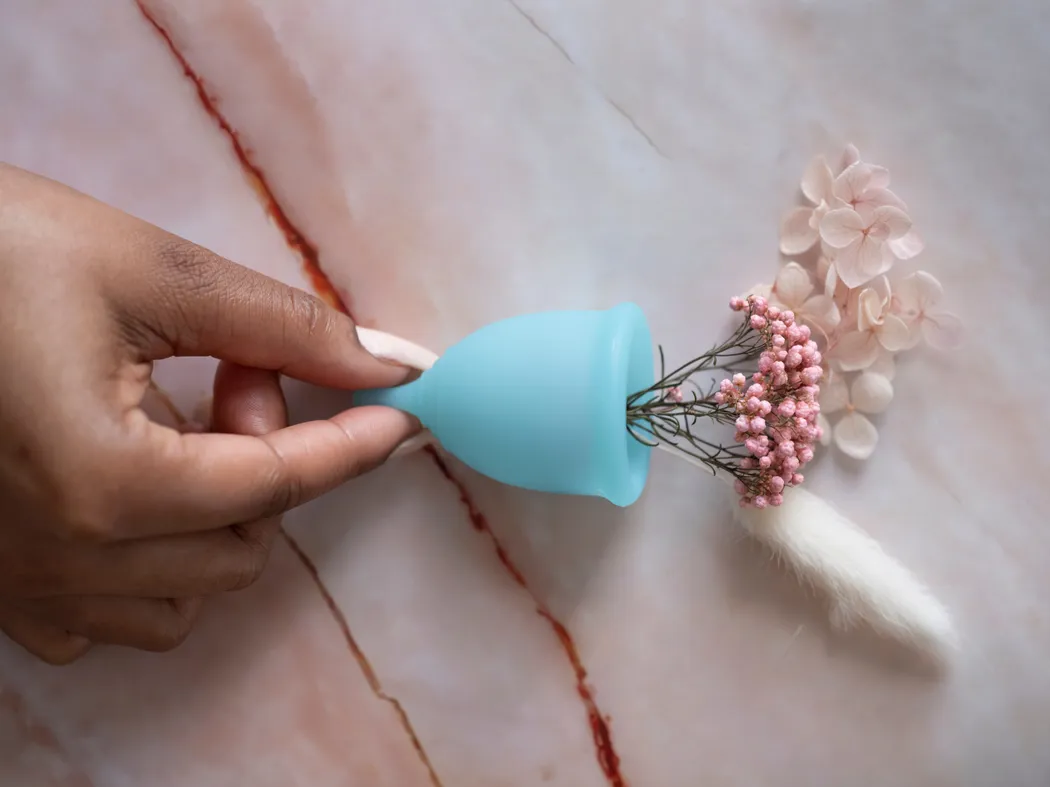
A menstrual cup is a flexible, funnel-shaped cup made from medical-grade silicone, latex rubber, or thermoplastic elastomer. You insert it into the vaginal canal, where it sits below the cervix and collects blood rather than absorbing it. At the end of the wear period, you empty it, rinse it, and reinsert.

Most silicone cups can last several years with proper care, making them far more cost-effective over time than disposable pads or tampons. They come in varying firmness levels: softer cups are gentler on sensitive tissues, while firmer cups tend to open more reliably and resist compression during active movement.

How to Choose the Right Menstrual Cup Size?

Getting the size right is the single biggest factor in comfort and leak prevention. Most brands offer two or three sizes, and the choice comes down to a few personal factors.

General sizing guidance:

  • Smaller sizes are typically suited for people under around 30 who have not delivered vaginally and have a lighter to moderate flow.
  • Larger sizes are usually recommended for those who have given birth vaginally, are over around 30, or have a heavier flow, because pelvic floor muscles can be more relaxed.
  • Cervix height also matters. If your cervix sits low (you can feel it within a finger's length inside), choose a shorter cup. A longer cup works better for a higher cervix.

Firmness is a secondary consideration. If you use a contraceptive ring or have a sensitive bladder, a softer cup may reduce pressure. If you are physically active, a firmer cup may open more reliably after insertion.

When in doubt, start with the smaller size. You can always size up if leaking persists despite correct placement.

How to Insert a Menstrual Cup Step by Step?

Learning how to insert a menstrual cup takes practice, usually two to three cycles. Doing it in the shower the first time reduces anxiety and makes cleanup easy.

Before you start, wash your hands thoroughly with soap and water. Wet the rim lightly with water or use a water-based lubricant to ease entry.

Choose a fold. Two reliable options for a menstrual cup for beginners:

C-fold: Flatten the cup, then fold it in half so the rim forms a C shape.
Punch-down fold: Push one side of the rim down into the cup to create a narrow tip. Many beginners find this easier to insert.

Step-by-step insertion:

  1. Get comfortable. Stand with one foot on the toilet seat, squat, or sit on the toilet.
  2. Hold the folded cup with the rim facing up and the fold pointing toward your body.
  3. Part the labia with your free hand and insert the folded cup at a slight downward angle, not straight up.
  4. Push the cup in until the stem sits just inside the vaginal opening, no more than 1 to 2 cm inside. Do not push it as high as a tampon.
  5. Release the fold and let the cup spring open. You may hear or feel a soft pop.
  6. Grip the base of the cup (not the stem) and rotate it one full turn, or move it gently side to side. If it spins freely, the seal is likely good.
  7. Run a finger around the rim to confirm the cup has fully opened. There should be no dents or collapsed sections.

If the cup feels uncomfortable or presses against your bladder, it may not have opened fully. Remove it and try again.

How to Remove a Menstrual Cup Safely?

Knowing how to remove a menstrual cup without spilling comes down to a calm grip and the right angle. Rushing is the main cause of spills.

Step-by-step removal:

  1. Wash your hands first.
  2. Sit on the toilet or stand in the shower.
  3. Reach in and locate the stem. Use it only as a guide to find the base of the cup.
  4. Pinch the base firmly between your thumb and forefinger to break the suction seal. Squeeze and wriggle gently if needed.
  5. Rock the cup slightly from side to side and ease it out at a slight angle, keeping it upright.
  6. Once out, tip the contents into the toilet.

Two common mistakes: pulling by the stem alone, which stretches uncomfortably and breaks the seal poorly, and tensing the pelvic floor, which can cause spills. Breathe out and relax as you remove it.

If you cannot reach the cup easily, bear down gently as if having a bowel movement. This shortens the vaginal canal and brings the cup within reach.

How to Clean and Store Your Menstrual Cup?

Good hygiene is central to safe cup use and is simpler than most people expect.

During your period:

  • Empty and rinse the cup every 4 to 8 hours, or more frequently on heavy flow days.
  • Rinse with cold water first (hot water can set stains), then wash with warm water and a mild, fragrance-free soap.
  • In a public toilet where rinsing is not possible, wipe the cup with clean toilet paper or a menstrual cup wipe and reinsert. Rinse it properly at the next opportunity.

Between cycles:

  • Boil the cup in water for 5 to 7 minutes at the end of each period to fully sterilise it. Do not leave it unattended on the stove.
  • Let it dry completely before storing in the breathable cotton bag most cups come with. Never use an airtight container, which traps moisture and encourages bacterial growth.
  • Inspect the cup for cracks, stickiness, or strong odours before each cycle. If any appear, replace the cup.

Menstrual Cups vs Pads and Tampons

One of the most common questions is how a menstrual cup vs tampon or pad actually compares day to day. The table below covers the practical differences.
 

FeatureMenstrual CupTamponPad
Wear time    Up to 8 to 12 hours4 to 8 hours4 to 6 hours
Cost over 1 yearLow (one-time purchase)Recurring monthly costRecurring monthly cost
Environmental impactVery low (reusable)    High (single-use)High (single-use
Leak protectionHigh when correctly placedModerateModerate
Suitable for swimmingYesYesNo
Odour during wearMinimal (no air exposure)SomeSome

Beyond cost and environment, the menstrual cup vs tampon difference that matters most to many users is wear time. A correctly fitted cup can last through a full workday or overnight without attention, which tampons and pads cannot match as reliably.

Who Should Avoid Menstrual Cups?

Menstrual cups are safe for most people, but certain situations call for caution or a doctor's advice before starting.

You should speak to your doctor before using a cup if you:

  • Have an intrauterine device (IUD). Some evidence suggests cup removal could dislodge an IUD in rare cases, so placement and string length should be reviewed with your gynaecologist.
  • Have a uterine prolapse, significant pelvic organ prolapse, or a known uterine abnormality.
  • Are recovering from vaginal or pelvic surgery. Wait until your doctor gives clearance.
  • Have an active vaginal or pelvic infection, including bacterial vaginosis, a yeast infection, or a sexually transmitted infection. Treat the infection first.
  • Experience severe vaginismus, which can make insertion painful.

If you are unsure whether a cup suits you, an Apollo gynaecologist can assess your anatomy and history and guide you to the right option.

Report any adverse events such as unusual pain, persistent irritation, or signs of infection to your healthcare provider or the relevant regulatory authority.

Conclusion

Using a menstrual cup can be a safe and convenient way to manage menstrual flow when inserted, removed and cleaned correctly. Choosing the right size and learning proper insertion and removal techniques can make use more comfortable. Follow the manufacturer's hygiene and care instructions, and stop using the cup and seek medical advice if you experience persistent pain, irritation or unusual symptoms.

FAQS

How long can you wear a menstrual cup?

Most cups can be worn safely for up to 8 to 12 hours, depending on your flow. On heavier days, empty it more frequently. Never exceed 12 hours without emptying, rinsing, and reinserting to maintain hygiene.

Can a menstrual cup get stuck?

It cannot get truly stuck, but suction can make removal feel difficult. Pinch the base firmly to break the seal before pulling. Bearing down gently also brings the cup lower and within reach.

Is it normal for a menstrual cup to leak?

Light spotting during the learning phase is common and usually means the cup has not fully opened or is not seated below the cervix. Once placement is correct, a well-sized cup should not leak.

Can virgins use menstrual cups?

Yes. Virginity does not affect your ability to use a cup. The hymen varies greatly between individuals, and a folded cup can usually be inserted comfortably. A smaller size and plenty of lubrication help during the first few attempts.

How do I know my menstrual cup is inserted correctly?

You should feel no discomfort and have no awareness of the cup once it is in place. If you can rotate the base without resistance and feel no collapsed edges when you run a finger around the rim, the seal is good.

Apollo 247 Floating Action Button