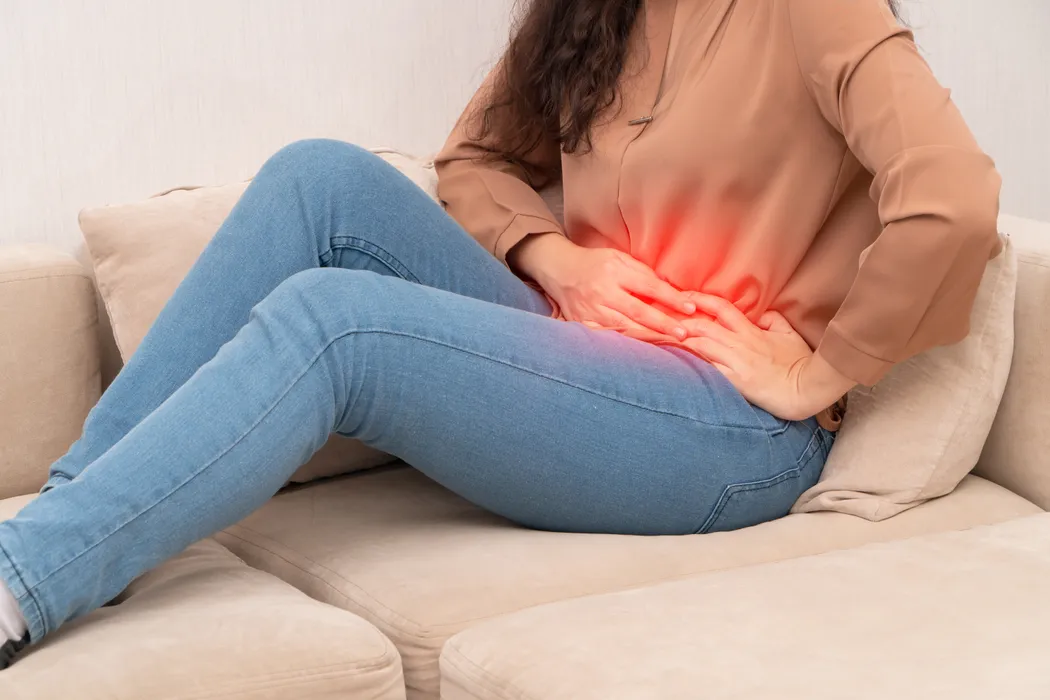
Evidence-Based Period Pain Relief: Home Care and OTC Options
Most people with primary dysmenorrhea can manage menstruation pain with a combination of the approaches below.
NSAIDs: The First-Line Choice for Dysmenorrhea
Non-steroidal anti-inflammatory drugs (NSAIDs) block prostaglandin production, targeting the root cause of primary dysmenorrhea directly. Ibuprofen and mefenamic acid are widely used and work best when taken at the first sign of pain rather than waiting for it to peak. Starting one day before your period is expected can reduce overall intensity.
For moderate to severe period cramps that do not respond to standard NSAIDs, a doctor may consider a prescription COX-2 inhibitor. One such option is an etoricoxib-based pain relief option for cramps (consult doctor first). Always use prescription NSAIDs only under medical supervision.
If you need a quick, accessible option, an OTC pain relief tablet available for quick delivery can be ordered through Apollo Pharmacy. Check the label for the active ingredient and follow the dosage instructions carefully.
Report adverse events to your healthcare provider or the relevant regulatory authority.
Heat Therapy
A heating pad or hot water bottle on the lower abdomen for 15 to 20 minutes at a time is well-supported by clinical evidence for menstrual cramps treatment. Warmth relaxes the uterine muscle and improves local blood flow, and many people find it as effective as a low-dose painkiller for mild cramps.
Exercise and Movement
aerobic activity such as walking, yoga, or swimming before and during your period can reduce prostaglandin levels and trigger endorphin release. It is not a fast fix for acute pain, but consistent physical activity across the month does appear to lower cramp severity over time.
Other Supportive Measures
A diet rich in vegetables and omega-3 fatty acids may modestly reduce prostaglandin production.
Limiting caffeine and alcohol in the days before your period can ease bloating and cramping for some people.
TENS (transcutaneous electrical nerve stimulation) devices, available at pharmacies, offer drug-free relief that suits people who cannot take NSAIDs.