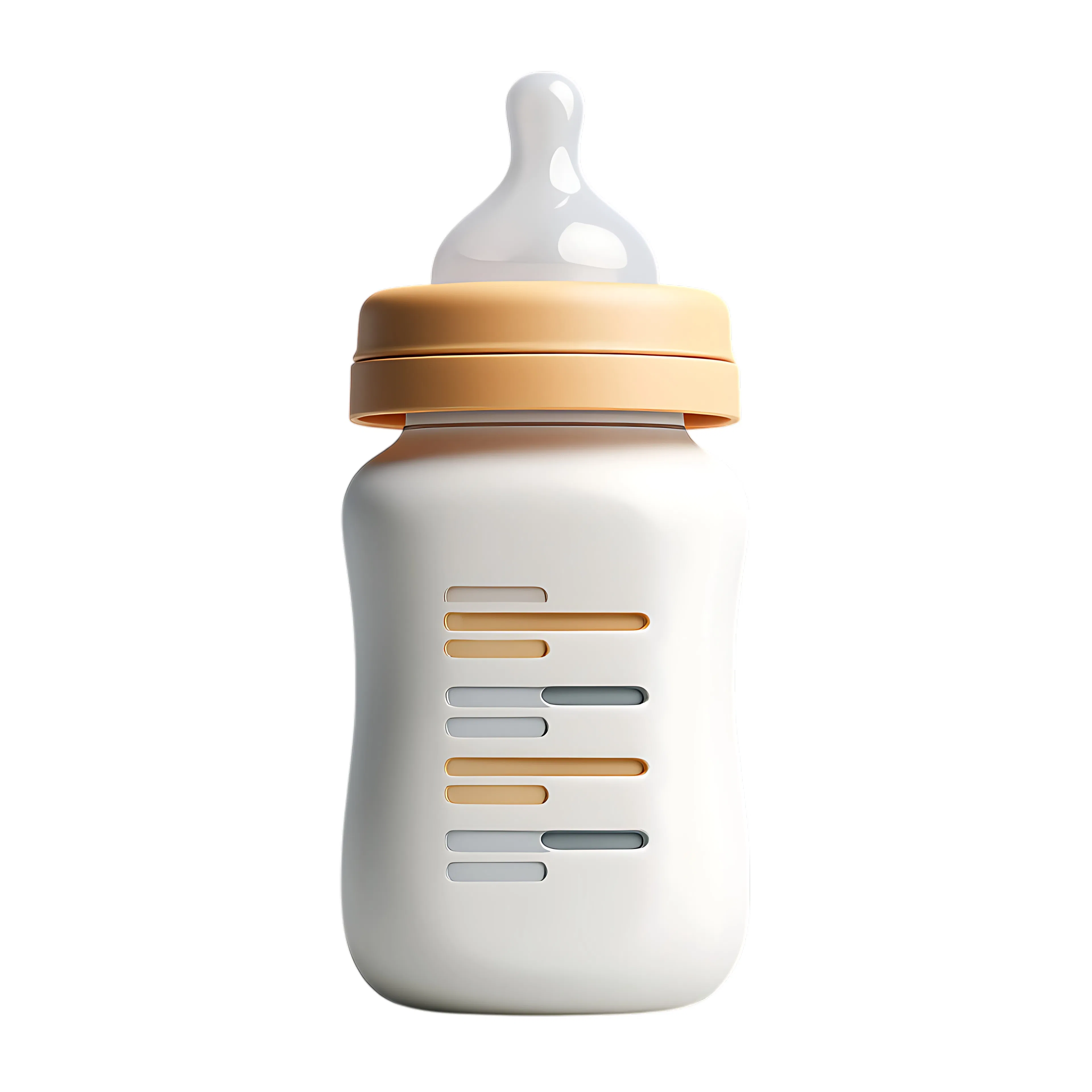
How to Choose the Right Milk Bottle for Your Infant
Newborns take small, frequent feeds, so a 60 ml to 90 ml bottle suits the first few weeks. By around two months, most babies move to 150 ml to 180 ml bottles. From four to six months onward, a 240 ml bottle becomes more practical as feed volumes grow.
Nipple flow rate matters more than most parents expect. A slow-flow nipple mimics the pace of breastfeeding and reduces the risk of overfeeding. If milk flows too fast, the baby gulps, swallows air, and often pulls off the bottle coughing. Flow rates are usually marked on nipple packaging as Stage 1, 2, 3, and so on. Move up a stage only when your baby seems frustrated with slow flow or consistently takes more than 20 minutes to finish a feed.
Wide-neck bottles hold a broader-base nipple that can ease switching between breast and bottle. Standard-neck bottles are narrower and often cheaper. Either works well; choice usually comes down to which nipple shape your baby accepts most comfortably.