logo
0

Milk Bottle for Infants: A Complete Buying Guide for Parents

Learn how to choose the right milk bottle for infants, including bottle materials, nipple types, sizes, feeding safety, cleaning and hygiene tips.

article image

Dr.Rohini priyanaka

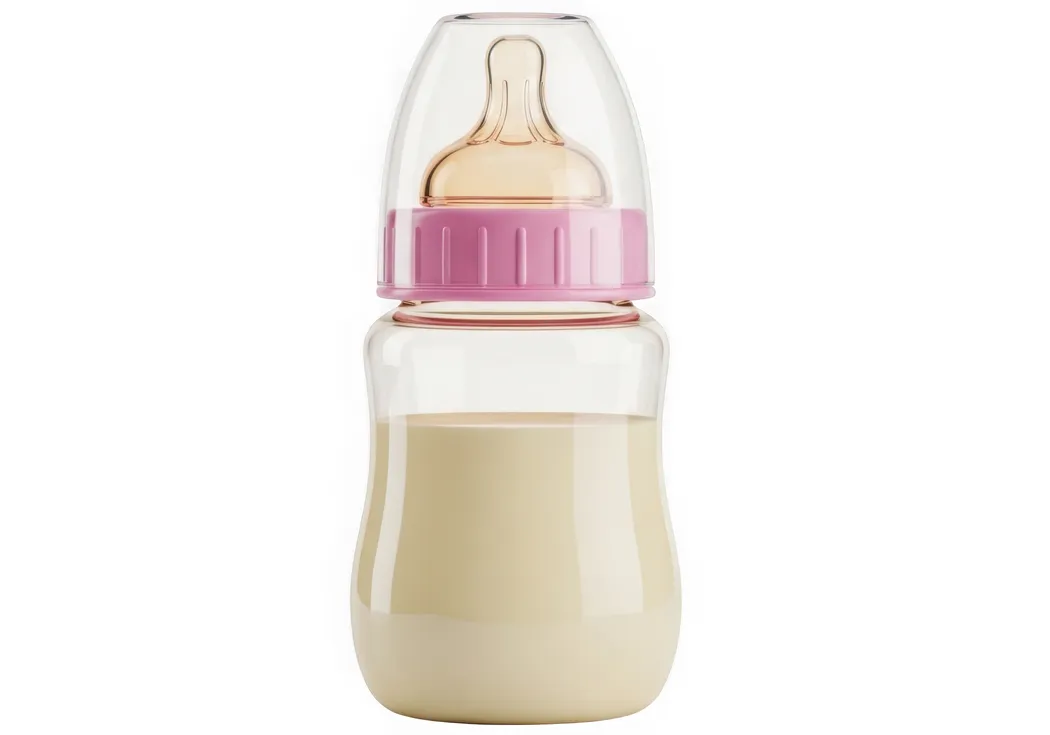
A milk bottle for infants is a feeding vessel designed to deliver breast milk or formula to babies who cannot yet feed directly from the breast or are being combination-fed. Choosing the right one matters more than many parents expect: the wrong bottle can contribute to excessive gas, feeding refusal, or an uncomfortable experience for a hungry newborn. This guide covers every key factor, from materials and nipple flow to sterilisation and when to call your paediatrician.

Types of Milk Bottles for Infants

Not all baby bottles are shaped the same, and the differences go beyond looks.

  • Standard-neck bottles have a narrow base and are widely available and affordable. They work well for formula-fed babies and fit most sterilisers and drying racks.
  • Wide-neck bottles have a broader opening that makes them easier to fill and clean. The wider base also mimics a breast shape, which can help babies who switch between breastfeeding and bottle feeding.
  • Angled bottles are bent near the neck so milk always covers the nipple when held at a comfortable angle, reducing the air a baby swallows with each feed.
  • Disposable-liner bottles use a plastic shell with a pre-sterilised, collapsible bag inside. They are convenient for travel but generate more waste and cost more over time.

Start with one or two bottles in different styles before buying a full set. Every baby has preferences, and discovering them early saves money.

Bottle Materials: Glass, Plastic, and Silicone Compared

The three main materials each come with genuine advantages and real trade-offs.
 

Feature    GlassPlastic (BPA-free)Silicone
SafetyNo leaching; chemical-freeSafe when BPA-free certifiedSafe; no known leaching
DurabilityBreaks if droppedLong-lasting; lightweightVery durable; squishable
WeightHeavier LightLight to moderate
Heat resistanceHigh; dishwasher safeModerate; avoid high heatHigh; boil-safe
CostHigher upfrontLowerModerate to high
Best forHome use; eco-conscious parentsTravel; daycareBabies who grip their bottle

On the glass vs plastic baby bottle question: glass wins on purity and longevity if you are feeding at home, where drops are less likely. Modern BPA-free plastic is considered safe by major regulatory bodies, but scratches can harbour bacteria over time, so replace plastic bottles regularly. Silicone is a middle ground: chemical-free, nearly unbreakable, and gentle on gums.

Anti-Colic Features: How They Work?

Colic is distressing for babies and parents alike. Swallowed air during feeding is one contributing factor, but colic is multifactorial. Pediatric guidance consistently notes that no single product can guarantee relief, and feeding position, burping technique, and the baby's individual gut maturity all play a role alongside bottle choice.

Anti-colic baby bottles address the air-ingestion problem through venting systems that typically work in one of two ways:

  • A straw-like vent tube runs from the nipple to the bottom of the bottle, directing air away from the milk so the baby draws fluid, not bubbles.
  • A valve at the base opens when the baby sucks and closes between sips, preventing air from mixing into the milk.

Some designs use a vented collar around the nipple itself. The goal with all of them is the same: keep the nipple full of milk and push air to the back of the bottle where it cannot be swallowed.

For some babies, the difference is noticeable. If your baby shows signs of gas discomfort during feeds, an anti-colic baby bottle is a reasonable first step. Pair it with a semi-upright feeding position and thorough burping after each feed for the best results.

Choosing Age-Appropriate Bottles and Nipple Flow

A nipple that flows too fast can overwhelm a newborn and cause choking or overfeeding. One that flows too slowly frustrates an older, hungrier baby. This baby bottle nipple flow guide matches flow rate to age:
 

Age Flow LevelWhat to expect
0 to 3 monthsNewborn / Slow (1 hole)Very slow drip; mimics early breastfeeding
3 to 6 monthsSlow to Medium (2 holes)Moderate flow as sucking strength grows
6 to 9 monthsMedium to Fast (3 holes)Faster delivery for bigger, more efficient feeders
9 months and aboveFast / Variable (Y-cut)Handles thicker feeds like stage-2 formula or porridge

These are general guidelines. Premature babies may need to stay on a newborn flow rate longer. If milk is leaking from the corners of your baby's mouth or a feed finishes in under five minutes, the flow is probably too fast. If your baby works hard, gets frustrated, or falls asleep mid-feed from effort, try the next flow up.

When looking for the best bottle for newborn use, pair a newborn-flow nipple with a 60 to 90 ml bottle. Newborns feed frequently in small amounts, so smaller bottles are practical and prevent waste. Move to 150 to 180 ml bottles around 2 months, and 240 to 300 ml bottles once solids are introduced alongside formula or breast milk, following age-appropriate baby bottle sizes at each stage.

Cleaning and How to Sterilise Baby Bottles Safely

Knowing how to sterilise baby bottles correctly is as important as choosing the right one.

Before the first use, boil all parts for five minutes or run them through a steam steriliser.

For daily cleaning, rinse bottles immediately after each feed, then wash with warm soapy water and a dedicated bottle brush. A dishwasher on a hot cycle works for glass and most BPA-free plastics; check the manufacturer's guidance first.

How often to sterilise baby bottles: for newborns under 3 months, immunocompromised babies, or premature infants, sterilise after every wash. Healthy babies over 3 months can generally be cleaned thoroughly without sterilising every single time, though many parents continue the habit until the baby is older.

Key safety rules when you sterilise baby bottles at home:

  • Discard any bottle or nipple that is cracked, cloudy, discoloured, or has a weakened valve.
  • Never microwave plastic bottles. Uneven heating creates hot spots that can scald an infant's mouth.
  • Store sterilised bottles covered or in a sealed steriliser until use.

For more guidance on newborn care essentials beyond feeding, including umbilical cord care and hygiene, Apollo's newborn care resources are a useful starting point.

When to Consult a Paediatrician?

Most bottle-feeding concerns resolve with the right equipment and technique, but some situations need medical attention. Speak to your paediatrician if:
  • Your baby refuses the bottle consistently across multiple feeds, especially if weight gain is a concern.
  • Excessive gas or crying persists despite switching to an anti-colic baby bottle and adjusting feeding position.
  • You notice redness, swelling, or rash around your baby's mouth, which can signal a reaction to nipple material (latex in particular).
  • Your baby chokes, sputters, or turns blue during feeds.
  • There is blood or mucus in stools alongside feeding distress, which may indicate a milk protein intolerance.

Contraindications and who should not use standard bottles without medical guidance: premature infants with underdeveloped sucking reflexes, babies with cleft palate or other oral anatomical differences, and infants with swallowing disorders all require specialist assessment before a feeding approach is selected. Report adverse events, such as allergic reactions to bottle materials or nipple components, to your healthcare provider or the relevant regulatory authority.

Conclusion

Choosing the right milk bottle can help make feeding more comfortable and support good hygiene. Consider your baby’s age, feeding needs, bottle material, nipple flow and ease of cleaning when making a choice. Always clean and sterilise bottles as recommended, check nipples and bottles regularly for damage, and seek advice from a paediatrician if your baby has persistent feeding difficulties.

FAQS

How many bottles do I need for a newborn?

Most parents find six to eight bottles practical for the newborn stage. This accounts for frequent feeds every 2 to 3 hours and gives you a buffer between washes. If you have access to a steriliser and can clean bottles quickly, four to six bottles may be enough.

Can I switch between breastfeeding and bottle feeding?

Yes, many families use a combination approach successfully. To reduce nipple confusion, most lactation consultants suggest waiting until breastfeeding is well established, typically around 4 to 6 weeks, before introducing a bottle regularly.

How long can prepared formula stay in a bottle?

Prepared formula should be used within 1 hour of feeding beginning. Unused, prepared formula stored in the fridge (not yet fed from) is generally safe for up to 24 hours. Discard any formula left in a bottle after a feed.

What is the best bottle for breastfed babies?

The best bottle for newborn babies who also breastfeed typically features a wide, breast-shaped nipple with a slow flow rate to mimic the effort of breastfeeding. This helps reduce nipple preference and keeps the transition between breast and bottle smoother.

How do I know when to replace a baby bottle?

Replace bottles if you see any cracks, cloudiness, discolouration, or a nipple that is sticky, swollen, or has an enlarged hole. Plastic bottles should be replaced more frequently than glass, as scratches can harbour bacteria that are difficult to remove even with thorough washing.

Apollo 247 Floating Action Button