logo
0

Milk Formula:Types, Nutrition & How to Choose the Right One

Learn about milk formula types, key nutrients, feeding safety, preparation, and how to choose the right infant formula based on your baby's needs.


article image

Dr. Kamran

Choosing how to feed your newborn is one of the first major decisions you will make as a parent, and understanding your options matters. Infant milk formula is used by families when breastfeeding is not possible or needs to be supplemented. This guide covers what milk formula is, how its variants differ, what goes into it nutritionally, and how to work with your pediatrician to decide whether it suits your baby.

What Is Milk Formula?

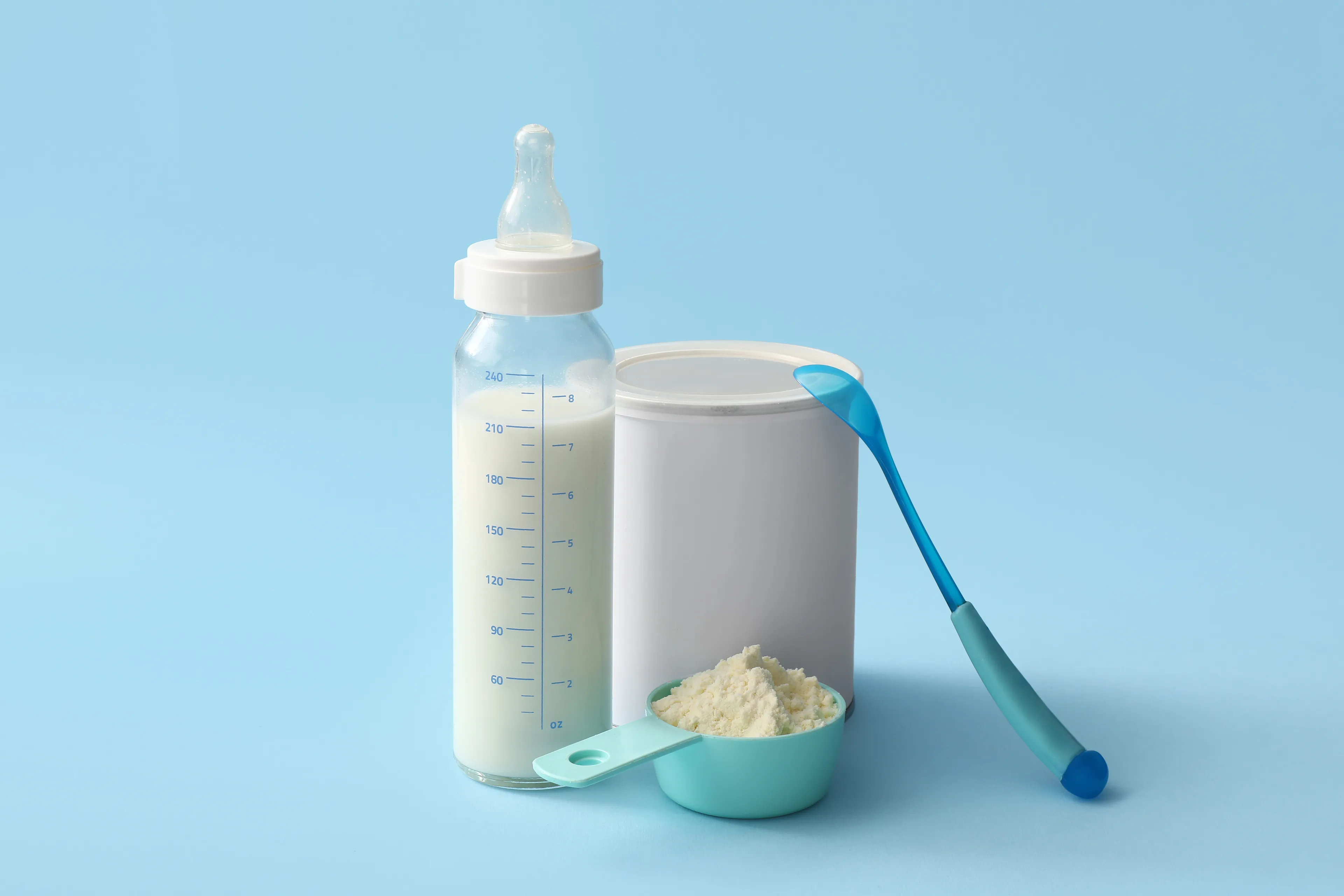
Infant milk formula is a commercially prepared food designed to substitute or supplement breast milk for babies who cannot be fully breastfed. Milk formula is manufactured to meet specific nutritional standards so that infants can grow and develop when breast milk is unavailable or insufficient.

Formula is not nutritionally identical to breast milk. Breast milk contains living immune cells, maternal antibodies, and bioactive compounds that no formula can fully replicate. Indian paediatric guidelines, like those from most global health bodies, consistently recommend breastfeeding as the first choice. Formula is a safe, evidence-based alternative when breastfeeding is not feasible, but that decision should always involve your doctor.

Types of Milk Formula Products

Infant milk formula comes in several variants, grouped by the baby's age and specific health needs. Using the right stage matters because nutrient ratios change as your baby grows.

  • First infant formula (Stage 1): Suitable from birth, this is the starting point for formula-fed newborns. It is whey-dominant, making its protein composition closer to early breast milk.
  • Follow-on formula (Stage 2): Intended for babies from around six months onward, used alongside the introduction of solid foods. It carries a higher iron content to meet growing demands, but should never replace Stage 1 before six months.
  • Growing-up milk (Stage 3): Designed for toddlers from twelve months as a supplement to a varied diet, not a standalone feeding solution.
  • Specialty formulas: These include hydrolysed protein formulas for cow's milk protein allergy, lactose-free variants, and formulas for premature or low-birth-weight babies. All require a paediatrician's guidance before use.

Never move to a higher stage earlier than recommended, and never use follow-on formula as a newborn feed.

Nutritional Profile: Key Ingredients Explained

Understanding infant milk formula nutrition helps you ask better questions at your next pediatric visit. The table below covers the key nutrient groups found in standard milk formula across its main variants. Exact quantities vary between specific product ranges, so always read the label on the product you are given or purchase.

Nutrient / Ingredient    Role in Infant Development
Whey and casein proteinSupport muscle growth; whey-dominant blends are easier for young infants to digest
DHA (docosahexaenoic acid)   An omega-3 fatty acid important for brain and eye development
ARA (arachidonic acid)   An omega-6 fatty acid that supports brain development alongside DHA
Iron  Essential for cognitive development and prevention of anaemia
Calcium and phosphorus Support bone and teeth formation
Vitamins A, C, D    Support immunity, vision, and calcium absorption
B vitamins (B6, B12, folate)    Energy metabolism and nervous system development
Prebiotics (GOS/FOS)   Support a healthy gut microbiome and may promote softer stools
Iodine  Critical for thyroid function and early brain development

It is worth noting that the protein-to-energy ratio shifts between Stage 1 and Stage 2 products. Stage 1 formulas tend to be lower in protein overall, reflecting the composition of early breast milk. Stage 2 products adjust iron and mineral levels upward. This is why comparing infant milk formula nutrition across stages, and not just across brands, matters when you are choosing baby formula for a growing infant.

How to Choose the Right Formula for Your Baby

No single formula suits every baby, which is exactly why knowing how to choose baby formula starts with paediatric advice rather than brand comparisons. A few key factors shape the decision.

Your baby's age is the starting point. A newborn needs a first infant formula. Jumping to a follow-on product too early can overload immature kidneys with excess protein and minerals.

Digestive sensitivity is another consideration when thinking about how to choose baby formula. Some babies show signs of discomfort like excessive gas, loose stools, or frequent spitting up. A partially hydrolysed or comfort formula may help, but only under medical guidance.

If there is a family history of cow's milk protein allergy, or your baby shows symptoms such as skin rashes, persistent vomiting, or blood in stools, a specialist formula is necessary. Standard milk formula is not appropriate in these cases without a doctor's assessment first.

Thinking about newborn care essentials alongside feeding  can help you build a comprehensive care routine from the start.

Contraindications and Precautions

Standard cow's milk-based infant formula is not suitable for every baby. Speak to a doctor before using any formula if your baby has a known or suspected condition.

  • Galactosemia: Babies with this rare metabolic disorder cannot process galactose, present in lactose. Standard formula is contraindicated; a specialized galactose-free formula is required.
  • Cow's milk protein allergy (CMPA): Symptoms range from eczema and colic to severe reactions. An extensively hydrolysed or amino acid-based formula is needed, not a standard milk formula.
  • Premature or low-birth-weight infants: These babies have higher energy and nutrient needs that standard term formulas are not designed to meet. A specialist preterm formula is used under neonatal care.
  • Phenylketonuria (PKU): This metabolic condition requires a phenylalanine-restricted diet; standard infant formula is not appropriate.

Report adverse events to your healthcare provider or the relevant regulatory authority.

Preparation and Feeding Safety Tips

Improper preparation is one of the most common sources of risk with infant formula. Following safe practices protects your baby from infection and ensures they receive the right nutrition.

  • Sterilize all feeding equipment, including bottles, teats, and caps before every feed. Boiling or using a steam sterilizer are both effective.
  • Use freshly boiled water that has cooled to around 70 degrees Celsius to prepare the feed. This temperature is hot enough to kill harmful bacteria that can sometimes be present in powdered formula.
  • Always add the powder to the water, not the other way around. Use the scoop provided and level it off without packing it.
  • Do not store prepared formula at room temperature for more than two hours. Refrigerate unused prepared formula and use it within 24 hours.
  • Never microwave formula. It creates uneven hot spots that can burn your baby's mouth.

Conclusion

Milk formula can provide essential nutrition for babies when breastfeeding is not possible or when supplementation is needed. Different formulas are designed for specific ages and nutritional requirements, while specialised options may be appropriate for babies with particular medical or dietary needs. Parents should choose a formula based on the baby's age, health, feeding requirements, and paediatrician's advice rather than brand name alone. Always follow the product's preparation instructions carefully, use safe feeding practices, and seek medical advice if your baby develops persistent vomiting, poor weight gain, digestive problems, rash, or other unusual symptoms.

FAQS

Is milk formula suitable from birth?

Yes, first infant formula is designed for use from birth. If your baby was born prematurely or has a low birth weight, speak to your neonatal care team before using standard first infant formula, as specialist products are available.

Can milk formula cause constipation in babies?

Some babies may experience firmer stools when transitioning to or between formulas. If constipation persists for more than a few days or your baby seems distressed, consult your paediatrician before changing formula on your own.

How long can prepared formula be stored?

Prepared formula should be used within two hours if kept at room temperature, or within 24 hours if stored in the refrigerator. Always discard any leftover formula after a feed, and never reheat formula that has already been warmed once.

What is the difference between different formula brands?

All infant formulas sold in India must meet regulatory nutritional standards, so broad nutrient composition is broadly comparable across brands. Differences lie in specific ingredient choices, such as the type of prebiotics used, DHA source, or protein blend, which is why discussing milk formula ingredients alongside alternatives with your paediatrician helps you make an informed choice.

When should I consult a doctor about formula feeding?

Contact your doctor if your baby shows persistent vomiting, blood in stools, skin rashes, poor weight gain, or severe colic after feeding. These signs may indicate an allergy or intolerance that requires a specialist formula rather than a standard product.

Apollo 247 Floating Action Button