logo
0

Mucus Plug:Role in Pregnancy,Appearance and Signs of Labour

Learn about the mucus plug in pregnancy: understand its appearance, the difference from a bloody show, normal timing, and key signs of labour to watch for.

article image

Dr.Mayank

Understanding the mucus plug is one of those things that catches many pregnant women off guard, especially as the due date approaches. This small but important structure forms early in pregnancy and plays a quiet protective role for months. When it finally comes away, it can feel alarming or exciting, sometimes both. Knowing what the mucus plug looks like, when to expect it, and what it means for labour can help you feel prepared rather than panicked.

What Is the Mucus Plug and What Does It Do?

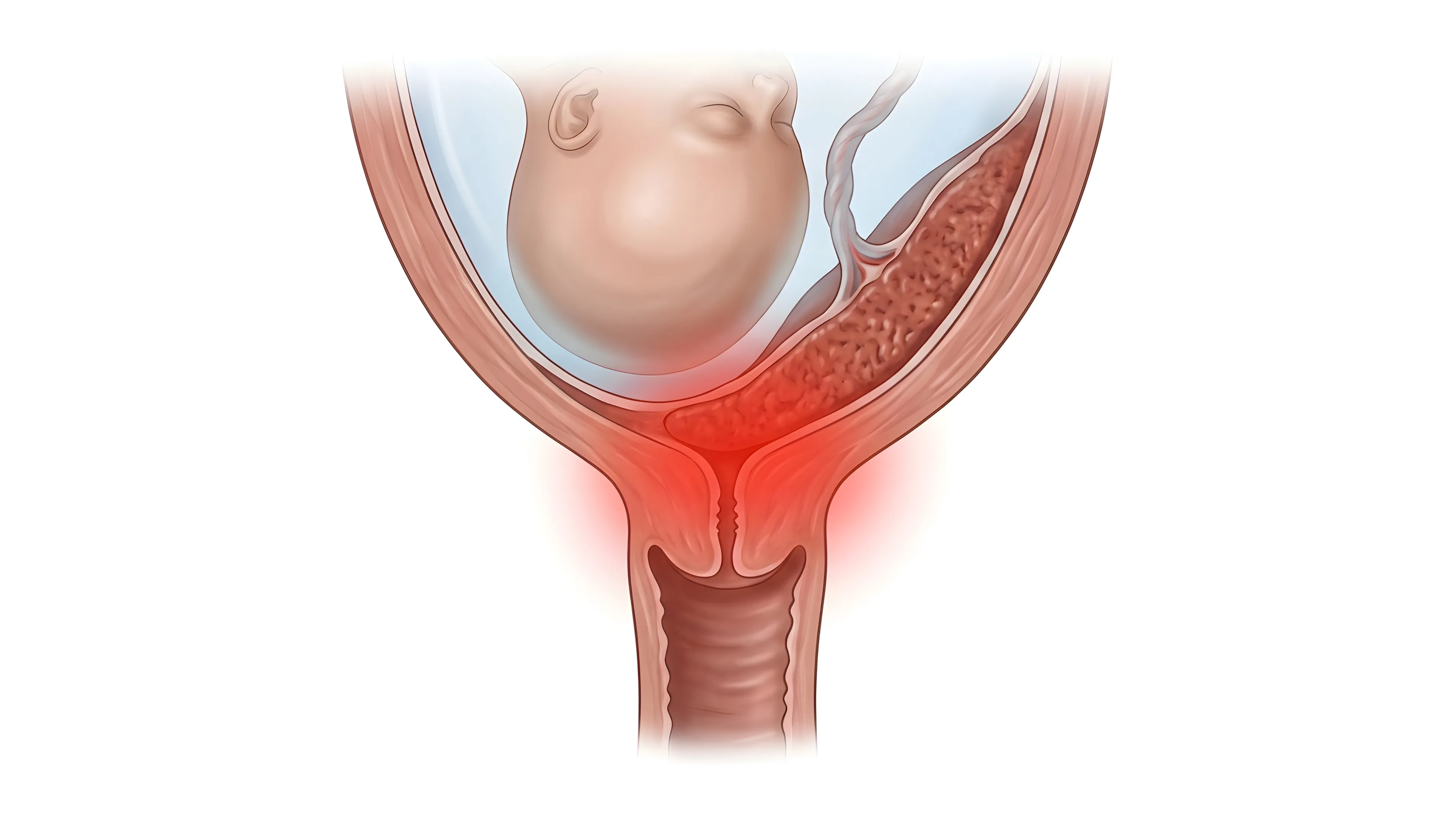
Shortly after conception, the cervix begins producing a thick collection of mucus that gradually fills and seals the cervical canal. This is the mucus plug. Think of it as a physical barrier, a tight seal between the uterus and the outside world.

Its main job is protection. Throughout pregnancy, it blocks bacteria and other pathogens from travelling up through the cervix and reaching the baby. It also contains antimicrobial proteins that actively fight infection. Without this seal, the uterus would be far more vulnerable to the kind of infections that can trigger preterm labour.

The plug stays in place for most of pregnancy. As the cervix begins to soften, shorten (efface), and dilate in preparation for labour, the mucus plug dislodges and passes out of the body.

What Does the Mucus Plug Look Like?

The appearance varies more than most people expect, which is why seeing it for the first time can feel confusing.

The mucus plug discharge colour ranges from clear or white to pale yellow or beige. A pink or blood-tinged appearance is also common and normal. This pink tinge occurs when tiny blood vessels in the cervix rupture as the cervix softens and the plug detaches. Texture is typically thick and gelatinous, similar to a large glob of nasal mucus. Some women describe it as sticky or stringy. In total volume, it is roughly one to two tablespoons, though it may not all come away at once.

One term worth clarifying is the difference between bloody show vs. mucus plug. The mucus plug is the entire thick seal; a bloody show refers specifically to pink or red-streaked mucus that signals the cervix is actively changing. A bloody show is essentially the mucus plug with a stronger blood component, and the two overlap significantly. When people contrast bloody show vs. mucus plug, the key distinction is how much blood-streaking is present: a bloody show tends to have more visible red or pink tinting and often suggests cervical changes are progressing more actively. Both are normal.

If you notice bright red bleeding that resembles a menstrual period rather than light streaking, that is not typical and needs prompt medical attention.

When Do You Lose Your Mucus Plug Before Labour?

This is the question most women want answered, and the honest answer is that timing varies widely. For mucus plug pregnancy loss, the typical window is anywhere from a few hours to several weeks before active labour begins.

Most women lose it somewhere in the last few weeks of pregnancy, often after 37 weeks. Some lose it and deliver within days; others wait another two to three weeks. It is not a reliable clock.

Cervical checks, sexual intercourse, and membrane sweeps can all cause the plug to dislodge earlier than it would naturally. In those cases, the body often regenerates some cervical mucus to continue protecting the uterus.

When considering how many days after losing the mucus plug labour begins, there is no fixed timeline. Most women deliver within two weeks of losing it, but that range is wide enough to mean it cannot be used as a stand-alone predictor of when labour will start.

Mucus Plug Loss vs Other Signs of Labour

Losing the mucus plug is a sign that your body is preparing, but it does not confirm that labour is starting. Here is how it sits alongside other labour signs:

  • Regular uterine contractions: Regular, progressively stronger contractions are the most reliable indicator that labour is underway.
  • Rupture of membranes (water breaking): Water breaking, whether a gush or a steady trickle of clear fluid, is a distinct event from mucus plug loss. The fluid has no mucus-like texture and does not stop flowing.
  • Increased pelvic pressure: Increased pelvic pressure and a general sense that "something is shifting" often accompany losing mucus plug signs of labour, but on their own, none of these confirms active labour.

What happens after you lose your mucus plug? For most women, nothing urgent happens immediately. You can continue your normal routine, stay in touch with your care team, and watch for the signs above. If you are past 37 weeks and have no other concerning symptoms, there is generally no need to rush to the hospital.

Once your baby arrives, you may find this newborn care guide for after delivery helpful for the first few days at home.

When to Contact Your Doctor

While mucus plug loss is usually normal, certain signs mean you should call your doctor or midwife promptly:

  • You are under 37 weeks of pregnancy when you notice it. This could indicate preterm labour.
  • There is heavy, bright red bleeding rather than light pink streaking.
  • The discharge has a strong or foul odour, which can signal infection.
  • You notice a steady leak of watery fluid, which may mean your membranes have ruptured.
  • You have abdominal pain, fever, or chills alongside the discharge.

Your healthcare provider can assess whether cervical changes are progressing normally and whether any monitoring is needed. Do not try to assess these symptoms yourself at home.

Report adverse events or unexpected symptoms to your healthcare provider or the relevant regulatory authority.

Contraindications and Precautions

There is no medication or home remedy indicated for mucus plug loss itself. It is a normal physiological event, not a condition to treat.

Self-diagnosis carries real risks. It can be difficult to distinguish mucus plug discharge from other types of discharge, including signs of infection, placenta praevia-related bleeding, or ruptured membranes. Assuming you are simply losing the plug when something else is happening can delay care that matters.

Avoid inserting anything into the vagina, including fingers, tampons, or any home remedies, once you notice mucus plug loss or any unusual discharge. This increases infection risk at a time when your cervix may be opening.

Anyone experiencing heavy bleeding, foul-smelling discharge, watery fluid leakage, or symptoms before 37 weeks should seek clinical evaluation rather than waiting to see what happens.

Conclusion

The cervical mucus plug serves as a vital physiological barrier throughout pregnancy, using antimicrobial properties to protect the developing foetus from ascending bacterial infections. Its passage in the third trimester signals natural cervical softening, effacement, and early preparation for labour, though active contractions may still be days or weeks away. Accurately distinguishing the gelatinous mucus plug or a slight pink-tinged bloody show from true amniotic fluid rupture or active bright red bleeding is essential for expectant mothers. Crucially, shedding the plug prior to 37 completed weeks or discharge accompanied by severe pelvic pain, foul odour, or fluid gushing requires immediate obstetric evaluation to rule out preterm labour. When in doubt, consulting your obstetrician or midwife ensures reassuring clinical guidance and timely, coordinated care as delivery approaches.

FAQS

Can you lose your mucus plug and not be in labour for weeks?

Yes, this is common. Losing the mucus plug can happen two to four weeks before labour actually begins, particularly in women who have had previous pregnancies. It signals cervical change, not necessarily that contractions are imminent.

Does losing the mucus plug mean labour is close?

Not necessarily. It means your cervix is beginning to prepare, which is a good sign in late pregnancy, but labour could still be days or weeks away. Track contractions and other symptoms, and keep your antenatal appointments.

Can the mucus plug grow back?

Partly, yes. If the plug is lost early, for example after a membrane sweep or a cervical check, the cervix can regenerate some protective mucus. However, as the cervix continues to dilate closer to term, the plug does not fully reform.

Is it normal to lose the mucus plug in pieces?

Completely normal. Many women notice it coming away gradually over several days rather than as one large piece. As long as there is no heavy bleeding, foul smell, or other concerning symptoms, a gradual loss is nothing to worry about.

What is the difference between mucus plug and normal discharge?

Normal pregnancy discharge is thin, white or clear, and relatively watery. The mucus plug is thicker, more gelatinous, and comes away in a noticeably larger amount. It may also carry a pink or blood-tinged tint, which typical discharge does not.

Apollo 247 Floating Action Button