logo
0

Muskmelon for Babies: Benefits, Age & Safety Tips

Learn when babies can eat muskmelon, its benefits, safe serving tips, and precautions for introducing this fruit.

article image

Dr.Rohini priyanaka

Introducing solid foods to your baby is one of the most exciting milestones of early parenthood. As your little one transitions from a diet of exclusive breast milk or formula to the wonderful world of solid foods, you are likely looking for fruits and vegetables that are soft, nutrient-dense, and easy to digest.

During this search, you might find yourself looking at the vibrant, juicy melons in the grocery store. One question that frequently comes up for parents is, is muskmelon good for babies?

Muskmelon, also commonly known as cantaloupe or sweet melon, is a summer favorite for adults. But does it deserve a spot on your infant's high chair tray? This comprehensive, medically backed guide covers everything you need to know about serving muskmelon to your baby, including its health benefits, safety precautions, and age-appropriate preparation methods.

Is Muskmelon Good for Babies? The Health Benefits Explained

To answer the question, is muskmelon good for babies, we must look closely at its rich nutritional composition. Muskmelon is highly regarded by pediatric nutritionists because it is packed with essential vitamins, minerals, and antioxidants that support a baby’s rapid growth and development.

Here is a detailed breakdown of the nutritional profile of muskmelon and how it benefits your growing infant:

1. Promotes Optimal Hydration

Muskmelon consists of approximately 90% water. When babies begin eating solid foods, their overall liquid intake from breast milk or formula naturally decreases. According to the Cleveland Clinic, maintaining proper hydration is crucial for regulating body temperature, keeping joints lubricated, and supporting cellular function. Serving hydrating fruits like muskmelon is an excellent, delicious way to keep your baby hydrated, especially during warm summer months.

2. Strengthens Immune System Function

Muskmelon is an outstanding source of Vitamin C (ascorbic acid). Vitamin C plays a vital role in strengthening your baby’s developing immune system, helping them ward off common seasonal illnesses and infections. Furthermore, the World Health Organization (WHO) emphasizes that Vitamin C significantly enhances the absorption of non-heme iron (the type of iron found in plant-based foods) when eaten during the same meal.

3. Supports Healthy Vision and Skin

The bright orange flesh of muskmelon is a visual indicator of its high beta-carotene content. Beta-carotene is a powerful antioxidant that the baby's body converts into Vitamin A. Vitamin A is critical for:

  • Supporting healthy vision and night vision.
  • Assisting in cellular growth.
  • Maintaining healthy skin and mucous membranes, which act as the body's first line of defense against pathogens.

4. Aids Digestive Health

The transition to solid foods can sometimes temporarily disrupt a baby's delicate digestive tract, leading to infrequent bowel movements. The high dietary fibre and water content make muskmelon good for babies who suffer from mild infant constipation. fibre adds soft bulk to the stool, while water keeps things moving smoothly through the colon, encouraging regular, pain-free bowel movements.

5. Boosts Heart and Muscle Function

Muskmelon is rich in potassium, an essential electrolyte. Potassium helps regulate fluid balance in the body, supports proper muscle contraction, and ensures healthy nerve transmission. As your baby begins rolling, crawling, and pulling themselves up to stand, potassium supports their growing muscular system.

Can a 6 Months Baby Eat Muskmelon?

If you are wondering, can a 6 month old baby eat muskmelon? The answer is generally yes, as long as your child has reached the developmental milestones for starting solids.
The World Health Organization (WHO) and the American Academy of Pediatrics (AAP) recommend introducing complementary solid foods to infants around 6 months of age. At this stage, breast milk or formula alone is no longer sufficient to meet all of your baby’s nutritional needs, particularly their iron requirements.

Developmental Signs of Readiness

Before you offer muskmelon to your 6-month-old, ensure they display the following signs of developmental readiness:

  • Head Control: Your baby can hold their head steady and upright without support.
  • Sitting Up: Your baby can sit with little to no support in a high chair.
  • Loss of Tongue-Thrust Reflex: They no longer automatically push food out of their mouth with their tongue.
  • Curiosity: They watch you eat, reach for your food, or open their mouth when food is offered.


If your baby is showing these signs, they are ready to explore the sweet, refreshing taste of muskmelon.

How Can I Give Muskmelon to My Baby Safely?

When asking yourself, "Can I give muskmelon to my baby raw?", it is essential to ensure that the melon is extremely ripe and prepared in an age-appropriate texture to minimize choking hazards. The natural soft texture makes ripe muskmelon good for babies transitioning to soft finger foods, but safety must always come first.

  • Step 1: Wash the Melon Thoroughly: Wash the muskmelon rind under running water with a clean produce brush before cutting to help remove harmful bacteria.
  • Step 2: Deseed and Peel: Cut the melon in half, remove all seeds, and peel away the tough outer rind, leaving only the soft orange flesh.
  • Step 3: Prepare by Age and Stage: Prepare the muskmelon in an age-appropriate texture, such as purée, mash, or soft pieces, based on your baby’s developmental stage.

For Babies Aged 6 to 9 Months:

At this stage, babies use their whole palmar grasp to pick up food.

  • Smooth Purée: Blend the ripe muskmelon in a food processor until completely smooth. Do not add any sugar, salt, or honey (honey should never be given to babies under 12 months due to the risk of infant botulism).
  • Thick Wedges (Baby-Led Weaning): Cut the melon into large, thick, finger-length wedges. The piece should be large enough for your baby to hold in their fist with a bit of melon sticking out of the top. Ensure the melon is very ripe and soft; if you can easily smash the flesh between your thumb and forefinger, it is safe for your baby to gnaw on.

For Babies Aged 9 to 12 Months:

Around 9 months, babies develop the "pincer grasp," using their thumb and index finger to pick up smaller objects.

  • Bite-Sized Cubes: Cut the soft melon into very small, bite-sized pieces (about the size of a chickpea).
  • Mashed Melon: Lightly mash the melon with a fork, leaving a few soft lumps to help them practice chewing.

For Toddlers 12 Months and Older:

Your toddler can enjoy small chunks of muskmelon independently. You can also mix it into plain, unsweetened yogurt or oatmeal for a refreshing breakfast.

Precautions and Potential Risks

While muskmelon is highly nutritious, parents should keep a few safety precautions in mind:

1. Choking Hazard

Melon can be slippery. If your baby takes too large a bite, it can slip to the back of their throat. Always supervise your baby closely during meals, make sure they are sitting completely upright, and never leave them unattended while eating.

2. Food Allergies and Oral Allergy Syndrome (OAS)

While melon allergies are relatively rare, they can occur. Some babies may experience a localized reaction known as Oral Allergy Syndrome (OAS). This happens when the proteins in certain fruits confuse the immune system because they are similar to environmental pollens (such as ragweed). Symptoms of OAS include:

  • A mild rash or redness around the mouth.
  • Itchy or swollen lips and tongue.
  • Mild hives.

If you are introducing muskmelon for the first time, follow the "three-day rule." Introduce muskmelon on its own without any other new foods for three days. This allows you to monitor your baby closely for any signs of an allergic reaction. If your baby exhibits severe symptoms such as difficulty breathing, swelling of the face, vomiting, or widespread hives, seek emergency medical attention immediately.

Conclusion

In summary, muskmelon is a vibrant, sweet summer fruit that can be a nutritious addition to your baby’s weaning journey. Packed with hydration, vitamin A, vitamin C, and gut-healthy fibre, it supports your baby’s immunity, vision, and digestion. Whether served as a smooth, velvety purée to your 6-month-old or as soft, finger-sized wedges for baby-led weaning, always prioritise hygiene, seed removal, and age-appropriate textures. As always, consult your paediatrician before introducing new solid foods to your baby’s diet. Happy feeding!

FAQS

Is muskmelon good for babies to eat every day?

Yes, muskmelon can be eaten daily in moderation as part of a balanced, varied diet. However, because of its high water and fibre content, consuming very large quantities might fill up your baby's small stomach quickly, leaving less room for breast milk, formula, or iron-rich solid foods. It can also occasionally lead to loose stools.

Does muskmelon cause a cold or cough in babies?

No. There is a common cultural myth that "cold" fruits like muskmelon cause physical respiratory colds or coughs in infants. Scientifically, colds are caused by viral infections, not by eating chilled or hydrating fruits. However, if your baby is already congested, serving fruits at room temperature may feel more comfortable for them than serving them straight from the refrigerator.

Can I freeze muskmelon purée?

Absolutely! Muskmelon purée freezes beautifully. You can pour the purée into clean silicone ice cube trays, freeze them solid, and then transfer the cubes to a freezer-safe bag. Frozen muskmelon cubes can be kept for up to three months. Thaw a cube in the refrigerator overnight before serving it to your baby.

How do I choose a sweet, ripe muskmelon for my baby?

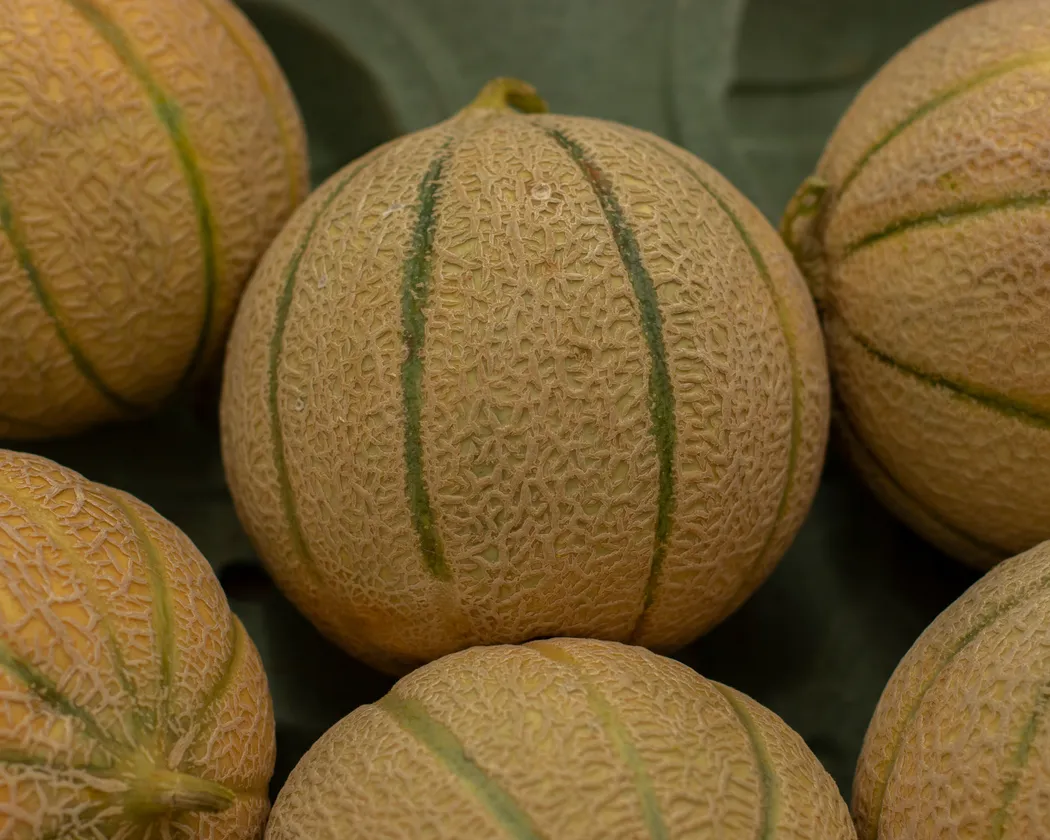
To find a ripe muskmelon, look for a melon that feels heavy for its size. The rind beneath the webbed texture should be a warm cream, yellow, or gold color rather than green. Tap the melon; it should sound deep and hollow. Finally, smell the blossom end (opposite the stem)—it should have a sweet, fragrant aroma.

Can I mix muskmelon with other foods?

Yes! Muskmelon pairs well with infant-friendly foods such as plain, unsweetened whole-milk Greek yogurt, infant oatmeal or barley cereal, avocado purée, and banana purée.

Apollo 247 Floating Action Button