logo
0

Neosure Formula for Preterm Infants: Feeding Guide

Learn about the NeoSure formula for preterm infants, including its uses, nutrition, safe preparation, feeding guidance, and when to switch formulas.

article image

Dr. Bhanu Prakash

Bringing a premature baby home from the NICU is a milestone filled with both relief and anxiety. Nutrition sits at the centre of that anxiety, and for many families, NeoSure is the formula their neonatologist or paediatrician recommends to close the growth gap after discharge. This guide explains what it is, how to use it safely, and what to watch for, always in close partnership with your baby's doctor.

What Is NeoSure and Who Is It For?

NeoSure is an enriched post-discharge formula designed specifically for premature and low-birth-weight infants who have left the NICU but still need more nutritional support than a standard infant formula can offer. It sits between a hospital-grade preterm formula and a regular term formula in nutrient density, bridging the gap during the critical months after discharge.

It is generally prescribed for babies born before 37 weeks of gestation, or those with a birth weight under 2.5 kg, who are not exclusively breastfed or whose breast milk needs supplementation. Occasionally, a full-term baby with very low birth weight or a specific growth concern may also be prescribed it, but this is less common.

Use only under medical supervision. NeoSure formula for premature babies is not a choice parents should make independently. A neonatologist or paediatrician will assess your baby's corrected age, growth velocity, and clinical needs before recommending it.

Key Nutrients and How NeoSure Supports Catch-Up Growth?

Preterm infants miss weeks of rapid third-trimester growth. The brain, bones, and organs are all catching up after birth, and standard formulas simply do not deliver enough calories or micronutrients to close that gap efficiently. Research and pediatric nutrition guidance broadly support the use of enriched post-discharge formulas to improve weight gain, length, and head circumference in the months after NICU discharge, though the exact duration and transition point should be guided by your care team.

Preterm infants may require additional nutritional support after discharge because of ongoing growth needs. For infants who require catch-up growth, the 2025 ESPGHAN position paper recommends fortified human milk or a protein- and energy-enriched formula, with growth monitored using weight, length, and head circumference. The choice and duration of nutritional support should be individualised by the baby's healthcare team.

NeoSure addresses this through a more concentrated nutrient profile:

  • Higher calorie density than standard formulas, achieved without needing to increase feed volume, which matters because preterm stomachs are small.
  • More protein per feed to support muscle development and organ maturation in those early post-discharge months.
  • A higher calcium-to-phosphorus ratio to build bone density that was missed during the third trimester. Preterm infants are at real risk of metabolic bone disease without this support.
  • Added DHA and ARA, the long-chain fatty acids that support brain and retinal development through the first year of life.
  • Enhanced iron levels, because preterm babies are born with limited iron stores and need adequate iron for cognitive development and anaemia prevention.


Nutrient values per 100 g powder:

  • Energy: 517 kcal
  • Protein: 13 g
  • Fat: 28.2 g
  • Carbohydrate: 53.4 g
  • Calcium: 667 mg
  • Phosphorus: 333 mg
  • Iron: 9.2 mg
  • DHA: 67 mg
  • ARA: 107 mg

How to Prepare and Feed NeoSure Safely?

Incorrect preparation is the most common source of formula feeding problems. With NeoSure, the stakes are higher because it is already calorie-dense. Over-concentration, even by one extra scoop, can stress a small baby's kidneys. Learning how to prepare Neosure formula correctly before your baby comes home is one of the most practical things you can do.

Step-by-step preparation

  • Wash your hands thoroughly with soap and water before touching any feeding equipment.
  • Sterilise bottles, teats, and measuring spoons before each use.
  • Boil fresh drinking water and allow it to cool to approximately 70 degrees Celsius, not fully cooled, to kill any bacteria in the powder.
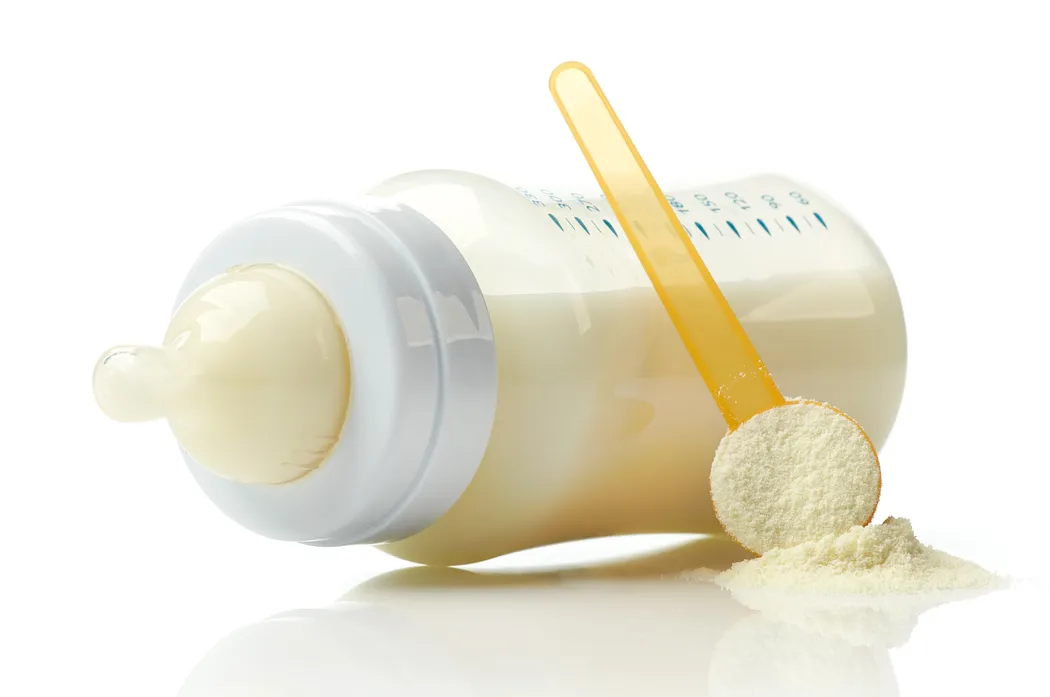
  • Add the measured water to the bottle first, then add level, unpacked scoops of powder as directed on the label. The standard mixing ratio is one level scoop per 60 mL of water, but always follow your doctor's exact prescribed dilution, which may differ.
  • Seal and shake gently until fully dissolved, then cool to feeding temperature before offering.

Knowing how to prepare Neosure formula correctly is just as important as knowing how much to give. When in doubt, call your paediatrician rather than guessing.

Storage

  • Use prepared formula within one hour at room temperature.
  • Refrigerated prepared formula should be used within 24 hours.
  • Never freeze prepared formula.
  • Store opened powder in a cool, dry place and use within four weeks.

How much should a preterm baby drink?

Feed volumes depend on your baby's corrected age, current weight, and growth trajectory. There is no single neurosure feeding chart that applies to every premature baby. A general principle is that preterm infants commonly need around 150 to 180 mL per kg of body weight per day, but your paediatrician will set specific targets. If your baby seems persistently hungry or is not gaining weight, contact your care team before making any changes.

For a broader view of caring for your baby at home, newborn care essentials after discharge can help you feel more prepared across all aspects of post-NICU life.

When to Stop NeoSure and Switch to Regular Formula?

The transition away from NeoSure is not based on a fixed date. It is based on growth milestones and corrected age. Most paediatricians consider switching to a standard formula or introducing whole milk somewhere between 9 and 12 months corrected age, once the baby has achieved adequate weight and length on a preterm-appropriate growth chart.
Some babies need to continue past 12 months corrected age if catch-up growth is slower. Others may be ready earlier. This is a post-discharge formula for preterm infants meant to be used for a defined window, not indefinitely.

Do not make this switch on your own. Stopping too early can stall the growth progress your baby has worked hard to achieve.

Contraindications and Precautions

NeoSure is not appropriate for every baby. Your doctor will screen for the following before prescribing it:

  • Galactosemia or other disorders of galactose metabolism, because the formula contains lactose.
  • Known cow's milk protein allergy or intolerance.
  • Specific inborn errors of metabolism that require a medically tailored formula.
  • Any condition where fluid or calorie restriction is clinically indicated.

If your baby develops signs of an allergic reaction such as hives, vomiting, blood in stools, or significant feeding refusal, stop feeding and contact your doctor promptly. Report adverse events to your healthcare provider or the relevant regulatory authority.

Parents sometimes ask about NeoSure vs regular formula in the context of constipation or digestive discomfort. A higher protein and mineral content can occasionally cause harder stools. If this happens, discuss it with your paediatrician before changing dilution or switching formulas.

Conclusion

NeoSure is an enriched formula designed to provide additional nutrition for some premature or low-birth-weight infants after NICU discharge. Because feeding needs vary with corrected age, weight, growth, and medical conditions, it should be used only under guidance from a neonatologist or paediatrician. Follow the prescribed preparation and feeding amounts carefully, and do not change the formula or dilution without medical advice.

FAQS

Is NeoSure the same as regular infant formula?

No. NeoSure is an enriched post-discharge formula with higher calorie density, protein, calcium, phosphorus, and iron than standard infant formulas. It is specifically designed for preterm or low-birth-weight infants who need additional nutritional support after leaving the NICU.

Can NeoSure cause constipation in babies?

Some preterm babies do experience firmer stools on NeoSure because of its higher protein and mineral content. If constipation is persistent or causing your baby distress, speak to your paediatrician before making any changes to preparation or feeds.

How long should a preterm baby stay on NeoSure?

Most babies transition off NeoSure between 9 and 12 months corrected age, but this depends entirely on your baby's growth progress. Your paediatrician will make this call using preterm-appropriate growth charts rather than a fixed timeline.

Does NeoSure need a prescription?

NeoSure is a medical nutrition product intended for use under a doctor's guidance. While it may be available at pharmacies, it should only be used when specifically recommended by your neonatologist or paediatrician for your baby's clinical needs.

What are the side effects of NeoSure formula?

Most babies tolerate NeoSure well. Some may experience harder stools, mild gassiness, or initial feeding refusal during the adjustment period. Serious reactions like vomiting, rash, or blood in stools are uncommon but require immediate medical attention. Report adverse events to your healthcare provider or the relevant regulatory authority.

Apollo 247 Floating Action Button