logo
0

Nestle Formula Milk: Complete NAN & S26 Guide

Compare Nestle formula milk options, including NAN and S26. Learn about stages, nutritional composition, preparation safety, and paediatric guidance.

article image

Dr. Nallapu Siri

Choosing how to feed your newborn is one of the most important decisions you will make as a parent. Nestle formula milk is among the most widely recognised infant formula options in India, and many families turn to it when breastfeeding is not possible, not sufficient, or not chosen. Understanding the different brands, stages, and nutritional profiles helps you have a more informed conversation with your baby's doctor before making any changes to their diet.

What Is Infant Formula Milk and When Is It Used?

Infant formula is a manufactured food designed to substitute or supplement breast milk during the first years of life. It provides the essential nutrients a growing baby needs, in a form that current nutritional science has made as close to breast milk composition as possible.

Formula milk for newborns and older infants is typically considered when:

  • Maternal medical conditions: The mother is unable to breastfeed due to a medical condition.
  • Insufficient milk supply: Milk supply is insufficient, and the baby is not gaining weight adequately.
  • Return to work: The mother has returned to work and cannot maintain exclusive breastfeeding.
  • Clinical recommendation: A healthcare professional recommends supplementation for any clinical reason.

Guidelines generally recommend exclusive breastfeeding for the first six months. If formula becomes necessary, always consult your paediatrician before starting. They can assess your baby's weight, health history, and specific nutritional needs before recommending any product.

Overview of Nestle Infant Formula Brands (NAN, S26 and Others)

Nestle offers several infant formula product lines, each designed for a particular stage of development or a specific medical need. Understanding infant formula stages is the foundation for picking the right product.

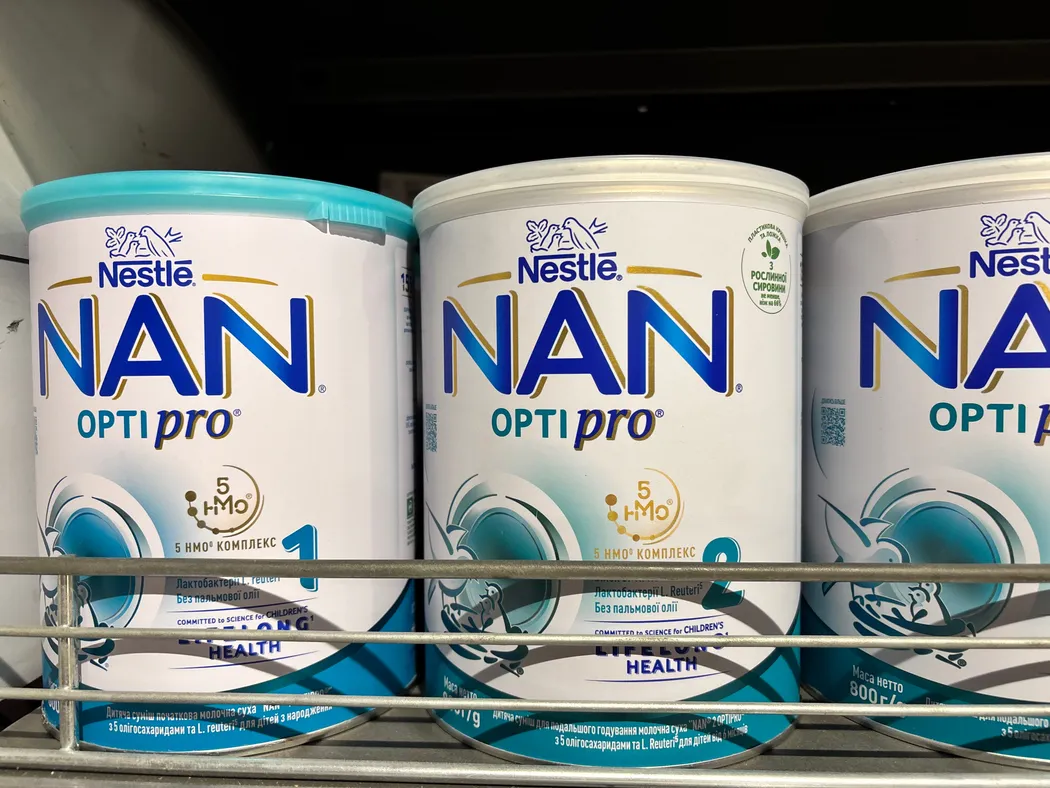
NAN formula milk is one of Nestle's flagship ranges, available in stage-based variants for infants from birth through toddlerhood:

  • Stage 1 (birth to 6 months): designed to be the sole source of nutrition for newborns when breastfeeding is not possible.
  • Stage 2 (6 to 12 months): a follow-on formula used alongside the introduction of solid foods.
  • Stage 3 (12 to 24 months): a toddler milk intended to complement a mixed diet.

S26 formula milk is another widely known brand, originally developed by Wyeth Nutrition, which is now owned by Nestle in many markets. Like NAN, S26 comes in staged variants aligned with a baby's age. Both brands meet standard infant nutritional guidelines, though their specific ingredient profiles and protein ratios differ slightly. If you are trying to decide between the two, your paediatrician is the best person to guide the choice based on your baby's individual needs.

Nestle also produces specialised formulas for babies with particular medical requirements, such as low-birthweight infants or those with digestive sensitivities. These are generally recommended only under medical supervision and are not standard over-the-counter choices.

In India, the Infant Milk Substitutes (IMS) Act governs the marketing and sale of infant formula. Brands are restricted from actively promoting formula for infants under two years, which is why detailed product guidance is best sourced from a paediatrician rather than from advertising.

Nutritional Composition and Ingredients to Check

All commercially available infant formulas must meet a baseline nutritional standard, but reading the label carefully still matters, especially if your baby has specific health considerations.

Key nutrients to look for:

  • Protein: most standard formulas use whey and casein from cow's milk in ratios intended to reflect breast milk.
  • DHA (docosahexaenoic acid): an omega-3 fatty acid linked to brain and eye development; many modern formulas include it, and it is worth confirming your chosen product does too.
  • ARA (arachidonic acid): often paired with DHA for similar developmental support.
  • Prebiotics and probiotics: included in some formulas to support gut health and reduce digestive discomfort.
  • Iron: essential for neurological development, particularly in Stage 1 products.
  • Lactose: the primary carbohydrate in most standard formulas; lactose-free variants exist for babies who cannot tolerate it.

Always read the ingredient list in the context of your baby's specific needs. A formula that works well for one infant may not suit another. Your paediatrician or a registered dietitian can help you interpret what the label means for your child.

How to Choose the Right Formula for Your Baby's Age and Needs

Knowing how to choose baby formula starts with matching the stage to your baby's age. Using a Stage 2 or Stage 3 product for a newborn is not appropriate, as the protein and nutrient concentrations are calibrated for older babies with different requirements.

Beyond age, consider these factors when looking for the best formula milk for babies:

  • Cow's milk protein allergy (CMPA) risk: A family history of cow's milk protein allergy may mean your baby needs a hydrolysed formula, where proteins are broken down to reduce allergic risk.
  • Lactose intolerance: Lactose intolerance in infants, though less common than in adults, may call for a lactose-free or specialised option.
  • Prematurity or low birth weight: Premature or low-birthweight babies often have specific caloric and mineral needs that standard formulas do not meet.
  • Colic or gastro-oesophageal reflux: If your baby shows signs of colic or reflux, anti-reflux or comfort formulas are available, but should only be introduced after a doctor has assessed your baby.

Switching formula brands is generally possible, but do it gradually if your baby has a sensitive stomach. Mix the new formula with the old over a few days to ease the transition. If your baby reacts poorly to any change, such as with unusual stools, excessive crying, or skin rashes, contact your paediatrician promptly.

For newborn care essentials beyond feeding, including hygiene and daily care routines, reliable guidance can make those early weeks much more manageable.

Contraindications and When Not to Use Certain Formulas

Standard cow's milk-based infant formula is not appropriate for every baby. There are specific conditions where particular formulas must be avoided:

  • Galactosaemia: A rare metabolic disorder where the baby cannot metabolise galactose. Standard formula and breast milk both contain lactose, which breaks down into galactose. Specialised metabolic formulas are required, prescribed by a specialist.
  • Cow's milk protein allergy (CMPA): One of the more common food allergies in infancy. Symptoms include skin rashes, vomiting, diarrhoea, and in severe cases, anaphylaxis. Extensively hydrolysed or amino acid-based formulas are used instead of standard products.
  • Premature infants: Babies born before 37 weeks often need post-discharge formulas with higher caloric density and adjusted mineral content. Standard Stage 1 formula may not meet their requirements without paediatric guidance.
  • Soy-based formulas: These are not recommended for preterm infants and should only be used for full-term babies under specific circumstances, such as confirmed lactose intolerance or galactosaemia, and only with medical advice.

Report adverse events to your healthcare provider or the relevant regulatory authority.

Any baby showing signs of poor growth, persistent digestive symptoms, or allergic reactions after starting formula should be assessed by a doctor before continuing or switching products.

Preparation, Storage and Safety Tips

Correct preparation matters as much as the formula itself. Contaminated or incorrectly mixed formula can cause illness, especially in very young babies.

Safe preparation steps:

  • Water temperature: Use water that has been boiled and cooled to at least 70 degrees Celsius to kill potential bacteria in the formula powder. Let it cool before feeding.
  • Equipment sterilisation: Sterilise all bottles, teats, and feeding equipment before each use, particularly for babies under three months or those with a weakened immune system.
  • Precise measurement: Measure formula and water precisely using the scoop provided. Never add extra scoops to make the feed more concentrated.
  • Fresh preparation and storage: Prepare feeds freshly when possible. If you need to prepare feeds in advance, refrigerate them immediately and use within 24 hours.
  • Discard leftovers: Discard any formula left in the bottle after a feed. Do not reheat and reuse.
  • Avoid microwave warming: Never use a microwave to warm formula as it creates hot spots that can scald your baby's mouth.

Conclusion

Selecting the right infant formula is an important clinical decision whenever exclusive breastfeeding is not feasible, adequate, or medically possible. Whether considering standard stage-based options such as Nestlé NAN and S26 or evaluating specialised formulations for prematurity or suspected cow's milk protein allergy, aligning the product with your baby's exact age and metabolic needs ensures balanced development. Nutritional safety relies equally on strict preparation standards: using water boiled and cooled to at least 70°C, sterilising all feeding equipment, and avoiding the microwave eliminate microbial risks and protect fragile digestive systems. Because every infant's digestive tolerance and growth curve are unique, always consult your paediatrician before introducing or switching formula to ensure the feeding plan is safely tailored to your child's health.

FAQS

Is Nestle NAN good for newborns?

NAN Stage 1 is formulated for babies from birth and can be used when breastfeeding is not possible. Whether it is suitable for your specific newborn depends on their health status, and a paediatrician should confirm the choice before you start.

What is the difference between NAN and S26 formula milk?

Both are staged infant formula ranges under the Nestle umbrella, but they have different ingredient profiles, protein blends, and added nutrients. The practical differences for most healthy babies are minor, and your doctor can advise which fits your baby's needs better.

Can formula milk cause constipation in babies?

Some babies do pass harder stools on formula compared to breast milk, as formula proteins are digested differently. If constipation is persistent or causing distress, speak with your paediatrician before switching products or making any dietary changes.

How much formula should a baby drink per day?

Feeding volumes vary with age and your baby's weight. Your paediatrician can calculate an appropriate daily volume based on your baby's growth chart and individual appetite.

When should I consult a doctor about formula milk?

Speak with a doctor before starting any formula, and again immediately if your baby shows poor weight gain, persistent vomiting, blood in stools, skin rashes, or excessive gas after feeds. These signs may point to an allergy or intolerance that requires a different formula.

Apollo 247 Floating Action Button