logo
0

Nestum and Nestle Baby Food: Guide to Starting Solids

Learn about Nestum and Nestlé baby food products, their ingredients, nutritional value, age suitability, and tips for safely introducing solids to your baby.

article image

Dr.Kamran

For new parents, watching your little one grow and hit milestones is one of life’s greatest joys. Around the six-month mark, your baby will begin showing signs that they are ready to explore the world of solid foods. This transition is an exciting step, but it often brings up many questions about nutrition, safety, and brand choices.

When your baby reaches this half-year milestone, introducing nestum baby food is a popular and trusted way to start. Nestum, manufactured by Nestle, has been a household name for generations, helping babies transition smoothly from a liquid-only diet to nutritious solids.

In this comprehensive guide, we will explore the wide array of Nestle products available, detail how to safely introduce cereals to your infant, and provide evidence-based nutritional tips to give your baby the best start in life.

Understanding the Nestle Baby Food Ecosystem

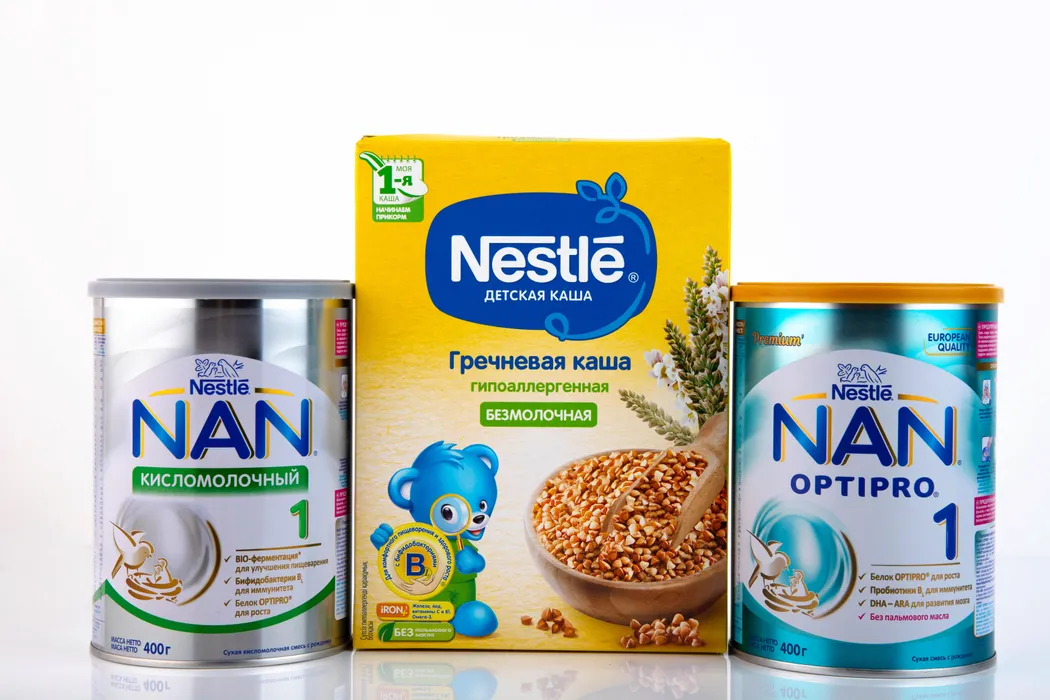
For over a century, Nestle has been a global leader in paediatric nutrition. The company offers a diverse range of products designed to support your child’s development at every growth stage.

Nestle Infant Formula

While breast milk is the gold standard for infant nutrition, there are times when breastfeeding is not possible or sufficient. In these cases, parents often rely on nestle infant formula to meet their baby's developmental needs. Scientifically formulated to mimic breast milk, these formulas provide a precise balance of proteins, fats, carbohydrates, vitamins, and minerals.

In specific regions, products like nestle india infant formula are customised to meet local regulatory standards and paediatric guidelines, ensuring infants receive culturally appropriate and highly regulated nutritional support.

Nestle Baby Food Products

As infants grow, their nutritional requirements change. The selection of nestle baby food products extends far beyond formula. It includes:

  • Single-grain and multi-grain infant cereals
  • Fruit and vegetable purees
  • Nutritious toddler snacks

Choosing quality baby food nestle manufactures allows parents to seamlessly progress from liquid formulas to thicker, textured foods as their baby’s swallowing coordination improves.

Why Choose Nestum Baby Cereal at 6 Months?

At around six months of age, an infant's natural iron stores begin to deplete. According to paediatric health authorities, introducing iron-rich complementary foods at this stage is crucial for healthy brain development and preventing iron deficiency anaemia.

This is where nestum baby food for 6 months plays a vital role.

Age

Feeding Stage

Key Points

0–6 Months

Exclusive breastfeeding or Nestlé infant formula

Breast milk or appropriately prepared infant formula provides the main nutrition

6+ Months

Signs of readiness for solids

Good head and neck control, sitting with support, and other developmental readiness signs

6+ Months

Introduce Nestum Stage 1

Iron-fortified complementary food with a smooth, easy-to-eat texture


Nestum Baby Food Stage 1

Designed specifically for beginners, nestum baby food stage 1 is formulated to be incredibly gentle on a developing digestive system. It features simple, easily digestible grains - most commonly rice - that have a minimal risk of triggering allergic reactions.

When looking at nestle nestum baby cereal rice reviews, many parents highlight how easily the powder dissolves into a smooth, lump-free consistency. This smooth texture is essential for teaching infants how to swallow solids without choking.

For those looking specifically for nestle baby food for 6 months, starting with a single-grain, iron-fortified rice cereal allows you to monitor your baby for any food sensitivities or adverse reactions.

Navigating Nestum Baby Cereal – From 6 to 12 Months

As your baby grows more confident with swallowing, their nutritional needs expand. The transition from single-grain cereals to multi-grain blends is simplified with the nestum baby cereal – from 6 to 12 months product line.

Gradual Texture and Flavor Progression

  • 6 Months: Start with nestum baby cereal 6 months formulas. These are typically single-grain (like rice or oatmeal) and are mixed with breast milk or formula to create a very thin, liquid-like paste.
  • 7 to 8 Months: Gradually thicken the consistency of the nestum baby cereal. You can begin introducing options that contain fruits like bananas or apples.
  • 10 to 12 Months: Introduce multi-grain variations and cereals with slightly coarser textures to encourage chewing, even if your baby does not have teeth yet.

This step-by-step approach ensures your baby naturally develops the oral motor skills needed to eat more complex family foods later on.

Regional Varieties and Common Search Confusions

Parents looking for these products online often run into different regional names or minor typographical issues.

Nastam Baby Food and Regional Variations

In some regions, phonetic spellings and local dialects lead parents to search for nastam baby food. If you are looking for nastam baby food price details online, keep in mind that "nastam" refers to the classic Nestum line.

These products, alongside nestle baby food products in india, are formulated with local dietary needs in mind. They are often fortified with iron, zinc, and key vitamins to address specific regional nutrient deficiencies.

Common Search Typos

In the age of voice-activated smart assistants, minor voice search errors are incredibly common. For instance, voice-to-text software may translate "Nestum baby food" into next time baby food. If you ever see this phrase pop up on your search engine, rest assured that it is simply a common digital typo for the trusted Nestum brand.

Important Safety and Nutritional Guidelines

While introducing nestum baby food is highly beneficial, safety should always remain a top priority. When starting your baby on solid foods, keep these guidelines from major health organizations in mind:

1. Never Feed Cereal from a Bottle: Unless explicitly directed by your pediatrician to treat gastrointestinal issues like severe reflux, never put baby cereal in a bottle. Feeding cereal through a bottle increases the risk of choking and can lead to unhealthy weight gain. Always feed cereal using a small spoon.

2. Practise the 3-to-5-Day Rule: When introducing any new food, wait three to five days before introducing another. This helps you identify the exact source of an allergic reaction or digestive upset if one occurs.

3. Prioritise Sanitation: Always wash your hands thoroughly before preparing baby food. Ensure all bowls, spoons, and preparation surfaces are meticulously cleaned.

4. Avoid Added Sugars and Salt: Young kidneys and metabolic systems are highly sensitive. Avoid adding table salt, sugar, or honey to your baby's meals.

Summary Table: Nestum Feeding Stages


Stage / Age

Recommended Product Type

Main Focus

Ideal Texture

Stage 1 (6+ Months)

Single-grain, such as rice

Gentle digestion, iron intake, and easier allergen tracking

Very thin, smooth, and runny

Stage 2 (8+ Months)

Multi-grain or fruit-infused varieties

Expanding the palate and introducing flavour variety

Slightly thicker paste

Stage 3 (10–12 Months)

Complex grains or textured blends

Encouraging chewing and transitioning towards family foods

Coarser texture with soft pieces

FAQS

When is my baby officially ready to start Nestum baby food?

Most babies are ready to start solid foods around 6 months of age. Look for developmental signs of readiness, such as your baby holding their head up steadily, sitting upright with minimal support, showing curiosity about what you are eating, and losing the "tongue-thrust reflex" (which causes them to automatically push food out of their mouth).

What is the difference between Nestle infant formula and Nestum baby cereal?

Nestle infant formula is a liquid breast milk substitute designed to be a baby's primary source of hydration and nutrition for the first year of life. Nestum baby cereal, on the other hand, is a solid complementary food designed to be mixed with breast milk, formula, or water. It is meant to introduce textures and provide extra iron alongside regular milk feedings.

How do I prepare Nestum baby cereal safely?

To prepare Nestum, wash your hands and sterilise the baby's feeding bowl and spoon. Pour the recommended amount of warm breast milk or infant formula into the bowl, then slowly add the Nestum cereal powder. Stir thoroughly until the mixture is completely smooth. Always test the temperature on your inner wrist before feeding your baby.

Is Nestum suitable for babies under 6 months old?

The World Health Organization (WHO) recommends exclusive breastfeeding for the first 6 months of life. You should consult your paediatrician before introducing any solid foods, including stage 1 cereals, to an infant under 6 months of age.

Why is iron fortification so important in baby cereals?

Infants are born with natural iron reserves that begin to deplete by the age of 6 months. Iron is a crucial component for brain development and healthy red blood cells. Fortified cereals like Nestum provide a safe, easily absorbable source of iron to prevent developmental delays associated with iron deficiency.

Apollo 247 Floating Action Button