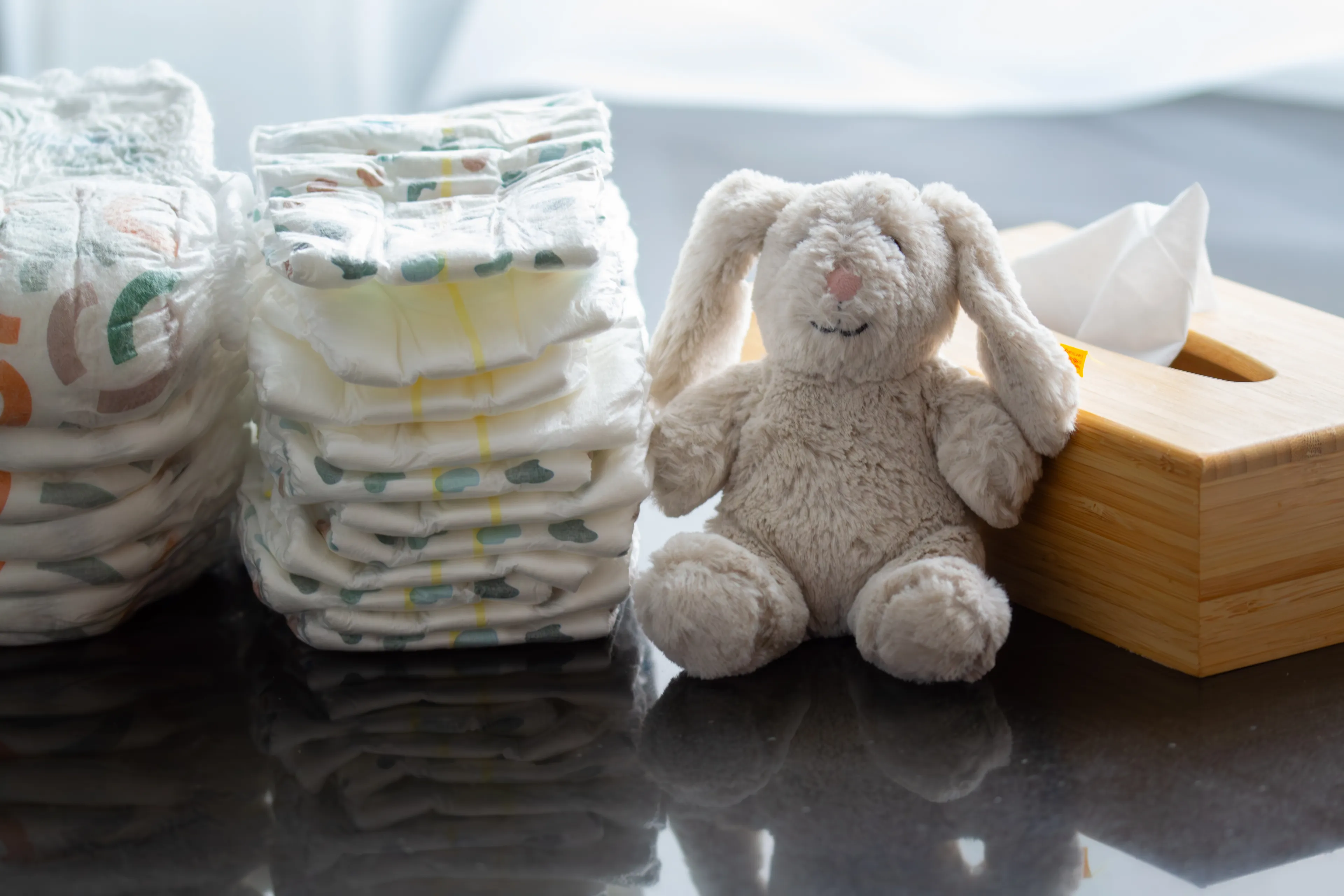
Confused about picking a new born diaper? Compare types, sizes, materials & rash-prevention tips in this parent-friendly Apollo Pharmacy guide.
Dr.Rohini priyanaka
Choosing the right new born diaper is one of the most practical decisions you will make before your baby arrives. Newborn skin is thinner, more absorbent, and far more prone to irritation than adult skin, so the wrong diaper can cause chafing, rashes, or leaks within hours. With dozens of options across Indian stores and online platforms, this guide cuts through the confusion so you can stock up confidently.
Why Diaper Choice Matters for Newborns?
A newborn typically needs 8 to 12 diaper changes every day. That is a lot of contact between material and your baby's most sensitive skin. Poor fit lets moisture pool against the skin, while rough edges can graze the soft folds around the thighs and belly.
Beyond comfort, a well-fitted new born diaper also protects the healing umbilical cord stump. Many newborn-specific diapers have a small notch or lower front waistband for this purpose. If yours does not, simply fold the front edge down to avoid pressure on the stump.
Types of Newborn Diapers: Disposable, Cloth and Hybrid
Understanding the three main types helps you decide what suits your lifestyle, budget, and your baby's skin. The cloth vs disposable diapers newborn debate has no single right answer, since each type has real tradeoffs.
Disposable Diapers
Disposable diapers use an absorbent core, typically made of fluff pulp and a gel material, to pull moisture away from the skin quickly. They are convenient for overnight use and travel. The downsides: they cost more over time, generate non-biodegradable waste, and some contain fragrances or dyes that can irritate sensitive skin.
When looking for the best diapers for newborn baby use, check for:
A soft, cloth-like inner layer rather than a plastic-feeling one
A wetness indicator strip, which is genuinely helpful for first-time parents still learning feeding cues
A notch or cutout at the front for the umbilical cord stump
No added perfumes or harsh dyes
Cloth Diapers
Modern cloth diapers include pre-fold inserts, pocket diapers, and all-in-one styles. They tend to be gentler on skin for babies prone to reactions, cheaper over the long term, and produce far less waste.
The tradeoff is washing effort. Newborns soil diapers very frequently, so you will need at least 20 to 24 cloth diapers to manage laundry cycles. In Indian cities with water scarcity, that extra wash load is worth factoring into your decision.
Hybrid Diapers
Hybrid systems pair a reusable cloth outer cover with a disposable or washable insert. You get some convenience without as much waste. The upfront cost is higher, but they work well as a middle-ground option.
Quick comparison across all three types:
Feature
Disposable
Cloth
Hybrid
Upfront cost
Low
Medium to High
High
Long-term cost
High
Low
Medium
Overnight absorbency
High
Variable
Medium
Environmental impact
High waste
Low waste
Low to Medium
Skin friendliness
Variable
Generally good
Generally good
How to Choose the Right Diaper Size and Fit?
Newborn diaper size is weight-based, not age-based. Most brands label their smallest option as "Newborn" or "NB" and design it for babies up to around 5 kg. If preterm birth is anticipated, check whether a "preemie" size is available before your due date.
Fit checklist before committing to a bulk purchase:
The waistband sits flat and snug, with two fingers fitting comfortably underneath
Leg cuffs are fully unfolded and tuck gently against the groin folds without digging in
No gaps appear at the legs when the baby is held or laid down
The back waistband covers the lower back fully
The front does not press on or cover the umbilical cord stump
Babies move up a size faster than most parents expect. Red marks at the thighs or waist, or repeated blowouts at the back, usually mean it is time for the next size up, even if the baby is still within the listed weight range. Avoid stockpiling more than one or two packs of newborn diaper size before birth for this reason.
Must-Have Diapering Accessories
Good diapering goes beyond the diaper itself. These are the diaper essentials for newborn care worth having ready before you leave the hospital:
Unscented, alcohol-free baby wipes or a soft wet cloth for cleaning at every change
A zinc-oxide-based barrier cream applied at each change to protect skin before irritation starts
A waterproof changing mat on a firm, flat surface at a safe height
A diaper bag with room for wipes, a spare outfit, and a small rash cream
A lidded bin or wet bag for soiled diapers or used cloth inserts
A spare set of clothes within easy reach, because blowouts happen at the least convenient moments
These items do not need to be expensive. A reliable cream, a firm mat, and a good supply of wipes matter more than any brand name.
Preventing and Treating Diaper Rash
Newborn diaper rash prevention comes down to one consistent habit: keep the area clean, dry, and aired as often as possible.
Change diapers promptly after each soiling. During every change, clean gently from front to back, pat dry rather than rub, and let the skin air for a minute or two before fastening the new diaper. A thin layer of barrier cream at each change reduces both friction and moisture exposure.
Since the cord stump and diaper waistband share the same area, it also helps to know how to care for a newborn's belly button to avoid accidental irritation or infection at the stump site.
Mild redness that clears within a day or two with good hygiene is common and not alarming. If the rash is spreading, blistering, or has small satellite spots beyond the main rash area, it may point to a fungal infection that needs specific treatment.
When to Consult a Doctor?
Most diaper rashes resolve with better hygiene and a barrier cream within two to three days. See a pediatrician if:
The rash has not improved after two to three days of careful home care
There are blisters, open sores, or the skin is bleeding
Your baby develops a fever alongside the rash
The rash spreads beyond the diaper area
Your baby seems to be in significant pain during changes
These signs can indicate a bacterial or fungal infection that needs prescription treatment. Do not delay, as newborn skin infections can worsen quickly.
Contraindications and Precautions
Not all rash creams or skincare products are safe for newborns without medical advice. Keep these precautions in mind:
Avoid products containing boric acid, camphor, phenol, or salicylates, as these can be absorbed through newborn skin and cause harm.
Do not apply antifungal or antibiotic creams unless specifically prescribed by your doctor. Using the wrong treatment can delay healing or cause further irritation.
Talcum powder is not recommended for newborns. Inhaling fine powder particles poses a respiratory risk.
If your baby has a known skin condition such as eczema or a confirmed allergy, consult a pediatrician before choosing any diaper type or rash product.
Report adverse events to your healthcare provider or the relevant regulatory authority.
Choosing the right newborn diaper is mainly about finding a balance between fit, skin comfort, absorbency, convenience, and your family's routine. Disposable, cloth, and hybrid diapers each have practical advantages, and there is no single option that suits every baby. Whichever type you choose, selecting the correct size, changing diapers promptly, keeping the nappy area clean and dry, and protecting the umbilical cord stump can help reduce irritation and leaks during the early weeks.
If your baby develops a persistent or worsening rash, blisters, open or bleeding skin, fever, or significant discomfort, consult a paediatrician rather than relying on repeated product changes or home treatments. Avoid talcum powder and do not use medicated antifungal or antibiotic creams without professional advice. As your baby grows, reassess the diaper fit and skin response regularly so that your diapering routine continues to provide safe and comfortable care.
FAQS
How many diapers does a newborn need per day?
Most newborns need 8 to 12 diaper changes every 24 hours in the first few weeks. Keeping a stock of at least 70 to 80 diapers for the first week is a reasonable starting point.
Is cloth diaper better than disposable for newborns?
Neither is universally better. Cloth diapers are gentler on skin and more economical over time, while disposables offer convenience and high absorbency, especially overnight. Many families use a combination of both.
What ingredients should I avoid in newborn diapers?
Look out for added fragrances, dyes, and lotions listed in the product description, as these are the most common triggers of skin irritation and allergic reactions in newborns with sensitive skin.
Can newborns be allergic to diapers?
Yes. Some babies react to materials, dyes, or fragrances in certain diapers, showing redness, hives, or persistent rash. Switching to a fragrance-free, dye-free option often helps, but consult a pediatrician if the reaction is severe.
How often should I change a newborn's diaper?
Change the diaper as soon as possible after each soiling and at least every two to three hours even if it appears only wet. Prolonged contact with moisture is the main cause of diaper rash in newborns.