logo
0

How to Change a Newborn Diaper: A Step-by-Step Guide

Learn how to change a newborn diaper safely, including essential supplies, step-by-step instructions, changing frequency, rash prevention, and safety tips.

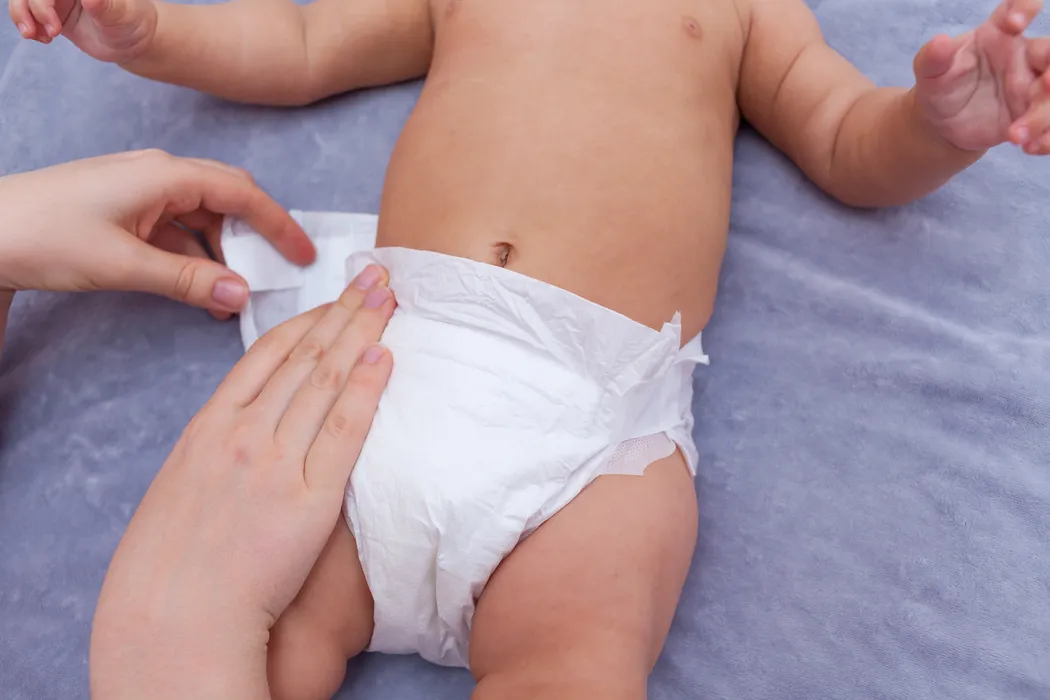
article image

Dr. J.T.Hema Prathima

Knowing how to change a newborn diaper confidently is one of the most practical skills a new parent can build. In the first few weeks alone, you will change your baby's diaper dozens of times, and doing it correctly keeps your newborn comfortable, clean, and protected from skin irritation. This guide walks you through everything from what to prepare to the exact technique, how often to change diapers, and how to spot trouble early.

What You Need Before You Start

Never leave a baby unattended on a changing surface, not even for a second. Gather everything before you lay your baby down.

Keep these items within arm's reach:

  • A clean diaper in the right size for your newborn
  • Fragrance-free, alcohol-free baby wipes or a soft damp cloth
  • A barrier cream or zinc oxide ointment for diaper rash prevention in newborns
  • A waterproof changing mat or a clean, flat surface with a safety strap if available
  • A small bin or nappy bag for the soiled diaper
  • A change of clothing in case of a blowout

If your baby still has the umbilical cord stump attached, choose a newborn diaper with a U-shaped cut-out at the waist to keep the stump dry and exposed. For more on stump care, read how to care for a newborn's belly button.

Step-by-Step: How to Change a Newborn Diaper

These newborn diaper changing steps are designed to be quick and gentle. With practice, the whole process takes under two minutes.

  1. Wash your hands thoroughly before you begin.
  2. Place your baby on the changing mat on their back. Keep one hand on the baby at all times.
  3. Unfasten the diaper tabs and fold them back so they do not stick to your baby's skin.
  4. Lift both ankles gently with one hand. Use the front of the soiled diaper to wipe away most of the mess, then fold the diaper inward so the dirty side faces in.
  5. Slide the soiled diaper out and set it aside.
  6. Clean your baby's skin with a wipe or damp cloth. When learning how to clean a baby during a diaper change, always wipe front to back, especially for girls, to avoid spreading bacteria toward the urethra. Pay attention to all skin folds.
  7. Pat the area dry with a soft cloth. Do not rub; newborn skin is delicate.
  8. Apply a thin layer of barrier cream if there is any redness, or routinely as a preventive measure.
  9. Slide a fresh diaper under your baby's bottom, with the back panel and tabs at waist level.
  10. Bring the front panel up and fasten the tabs snugly. Check that you can slide two fingers under the waistband. Too tight restricts movement; too loose leaks.
  11. Dispose of the soiled diaper, seal it in a bag, and wash your hands again.

For baby boys, point the penis downward before fastening the front panel to reduce the chance of urine leaking over the waistband.

How Often Should You Change a Newborn's Diaper

One of the most common questions is how often to change a newborn’s diaper. The short answer: every 2 to 3 hours as a general rule, and always immediately after a bowel movement. Leaving stool in contact with skin, even briefly, is the main driver of diaper rash.

At night, a wet-only diaper does not need changing every time your baby stirs, unless the skin looks red or the diaper is very full. A soiled diaper, however, should always be changed promptly regardless of the hour.

Most newborns need 8 to 12 changes per day in the early weeks. In the first few days, stools will be dark and tarry (meconium). After that, breastfed babies often have mustard-yellow, loose stools, while formula-fed babies tend toward firmer, tan-coloured ones. Knowing what is typical for your baby helps you spot changes early.

Preventing and Spotting Diaper Rash

Diaper rash prevention in newborns comes down to a few consistent habits applied at every change.

  • Change diapers frequently and as soon as possible after soiling.
  • Clean the skin gently and completely, covering all skin folds.
  • Let the skin air-dry for a minute before closing the fresh diaper.
  • Apply a barrier cream at each change if your baby's skin is sensitive or rash-prone.
  • Make sure diapers fit well. Friction from a too-tight diaper worsens irritation.

Signs of diaper rash in babies include redness, puffiness, or small red bumps on the bottom, inner thighs, or genital area. The skin may look raw or feel warm to touch. Mild rash often clears within two to three days with frequent changes and barrier cream.

See a paediatrician if the rash spreads beyond the diaper area, develops blisters or open sores, is accompanied by fever, or does not improve after three days of consistent home care. A rash with small spots scattered outside the main red patch may indicate a fungal infection that requires specific treatment.

Safety Precautions and When to Consult a Doctor

These newborn diaper changing tips apply to every caregiver, not just first-time parents.

Products and practices to avoid:

  • Talcum powder on newborns. Inhaled talc particles can harm a baby's lungs.
  • Scented wipes, harsh soaps, or products containing alcohol on intact or broken skin.
  • Any medicated cream, steroid, or antifungal product without a doctor's recommendation.

Who should not apply barrier creams unsupervised:

If your baby has broken skin, open sores, or bleeding in the diaper area, do not apply any over-the-counter product without first speaking to a paediatrician. These situations need medical assessment.

Seek medical advice promptly if you notice:

  • Bleeding or open wounds in the diaper area
  • Rash that is not clearing after 3 days of consistent care
  • Fever alongside skin changes
  • Disproportionate distress or pain during changes

Report adverse events related to any skin product or cream to your healthcare provider or the relevant regulatory authority.

Conclusion

Learning how to change a newborn diaper safely helps keep your baby clean, comfortable, and protected from skin irritation. Gather all supplies before starting, keep one hand on your baby throughout the change, clean from front to back, and ensure the fresh diaper fits comfortably. Newborns commonly need frequent changes, particularly after bowel movements. Gentle cleaning, adequate drying, and appropriate barrier cream can help prevent diaper rash. Avoid talcum powder and medicated products unless recommended by a paediatrician, and seek medical advice if a rash persists, worsens, or is accompanied by fever or open sores.

FAQS

How many times a day should I change a newborn diaper?

Most newborns need 8 to 12 diaper changes per day in the early weeks. This includes a change after every bowel movement and every 2 to 3 hours for wet diapers.

Should I wake a sleeping baby to change their diaper?

For a wet-only diaper, you generally do not need to wake your baby. If you can smell or feel a soiled diaper, change it promptly to protect the skin even if your baby is asleep.

What can I use instead of baby wipes for newborns?

A soft cloth or cotton wool dampened with plain warm water works well, particularly for very young or sensitive skin. Avoid scented or alcohol-based wipes on newborns.

Why does my newborn cry during diaper changes?

Being undressed and exposed to cooler air can startle newborns. Keeping the room warm, moving gently, and talking softly can help. If crying during changes seems severe or is accompanied by visible discomfort in the skin, mention it to your paediatrician.

How do I know if a diaper rash needs medical treatment?

A rash that has not improved after 3 days of frequent changes and barrier cream, or one with blisters, bleeding, satellite spots, or fever, needs a doctor's review rather than continued home management.

Apollo 247 Floating Action Button