logo
0

Newborn Diaper Guide: Sizing, Changing & Choosing Tips

Learn how to choose newborn diapers, find the right size, change them safely, recognise when to move up a size, and manage diaper changes.

article image

Dr. J.T.Hema Prathima

Choosing the right new born diaper can feel overwhelming when you are already running on little sleep and learning everything at once. The decisions you make in those first weeks, from material to fit to changing technique, directly affect your baby's skin comfort and overall wellbeing. This guide brings together practical, medically grounded advice to help you feel confident from day one.

How to Choose the Right Newborn Diaper

The best diapers for newborn baby skin are gentle, absorbent, and snug without being tight. Here is what to look for.

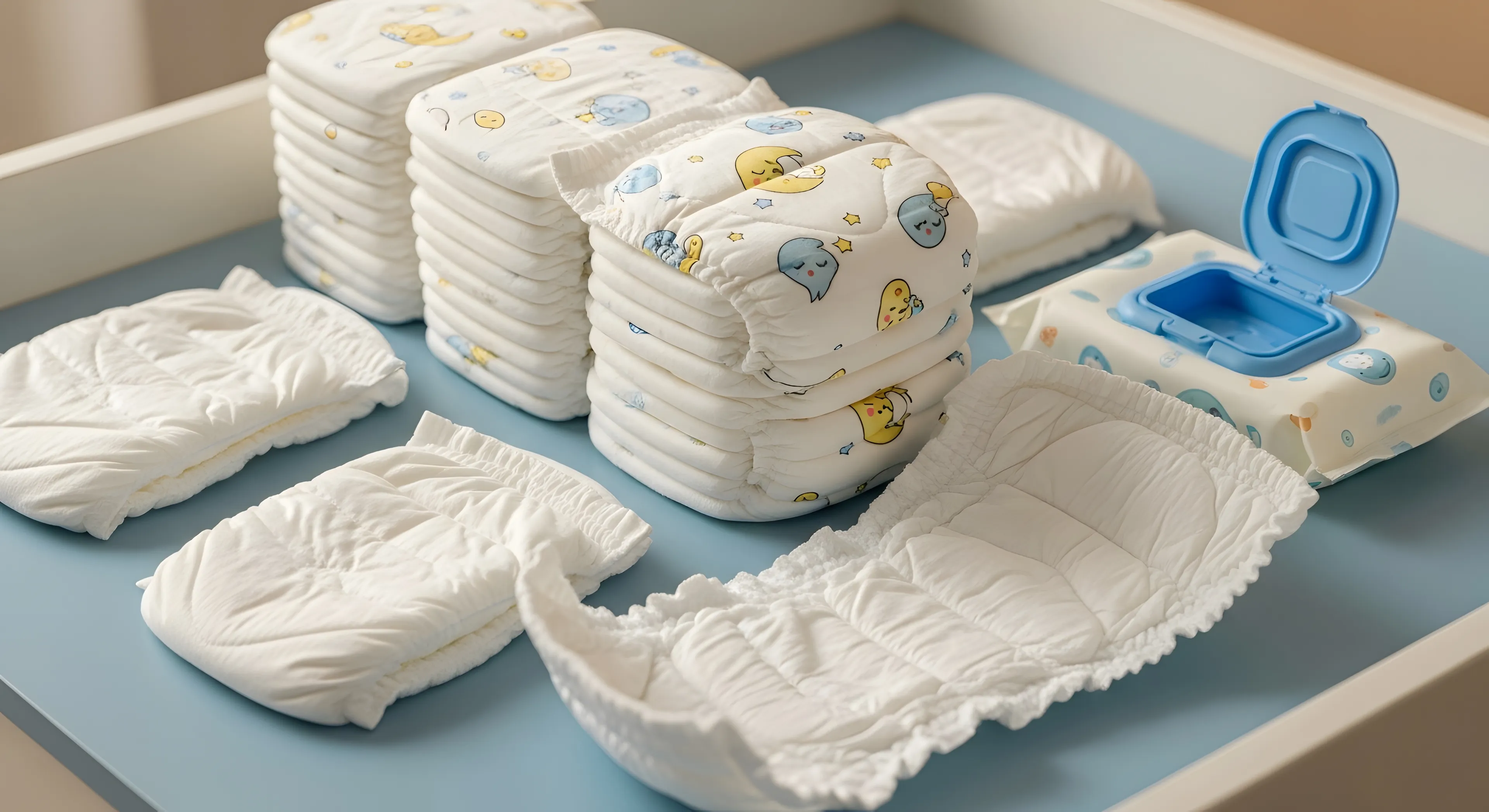
Soft, breathable inner layers can reduce friction on delicate newborn skin. Choose diapers labelled hypoallergenic or fragrance-free, particularly if your baby has sensitive skin. Newborns urinate frequently, so good absorbency helps keep the skin dry and may reduce irritation. Many newborn-size diapers also have a front cutout or fold-down area designed to keep the umbilical cord stump exposed and dry while it heals.

On cloth vs disposable diapers for newborns: both are genuinely viable.

  • Disposable diapers: Highly absorbent and convenient, making them a practical choice for nighttime use, travel, and hospital stays.
  • Cloth diapers: Reusable and economical over time, but they may require more frequent changes to keep the baby's skin dry and comfortable.
  • Combination approach: Some families use both, choosing cloth diapers at home during the day and disposable diapers at night or while travelling.

The right choice depends on your lifestyle, budget, and your baby's skin sensitivity. There is no universally superior option.

Newborn Diaper Sizing Chart: Getting the Fit Right

Newborn diaper size is determined by your baby's weight, not age. The table below gives general guidance; exact ranges vary slightly between brands.

Size LabelApproximate Weight RangeTypical Age Range
PreemieUnder 2.5 kgPremature or very small newborns
Newborn (NB)2.5 kg to 4.5 kgBirth to roughly 4 weeks
Size 14 kg to 6 kg4 weeks to about 3 months
Size 25.5 kg to 8 kg2 to 4 months approximately

Weight is always a more reliable guide than the age printed on packaging, because babies grow at very different rates.

Knowing when to change diaper size is just as important as picking the right one to begin with. Watch for these physical cues.

Signs the diaper is too small:

  • Redness or indentation marks around the thighs or waist
  • Frequent leaks even after regular changes
  • The waistband sits below the belly button without stretching

Signs the diaper is too large:

  • Gaps at the legs that allow leaks
  • The waistband folds over or gapes at the back
  • The diaper bunches heavily between the legs

Check the fit every few days in the first month. A new born diaper that fits well one week can cause discomfort the next as growth picks up.

Step-by-Step Newborn Diaper Changing Technique

Learning how to change a newborn diaper correctly takes a little practice but becomes routine within days.

  1. Gather everything first: Keep a clean diaper, unscented baby wipes or cotton wool with warm water, and barrier cream within easy reach. Never leave your baby unattended on a changing surface.
  2. Place your baby safely: Lay your baby on a flat, secure changing surface, preferably with raised edges, and keep one hand on your baby at all times.
  3. Remove the soiled diaper: Open the diaper, fold the front panel down, and gently wipe away most of the stool with the clean part of the diaper. Lift your baby's bottom gently by supporting the legs.
  4. Clean from front to back: For girls, always wipe from front to back to help reduce the risk of infection. For boys, cover the penis with a clean cloth first, then gently clean around the scrotum and skin folds.
  5. Protect the umbilical cord: Keep the cord stump clean and dry, and ensure the diaper does not rub against or cover it unnecessarily.
  6. Apply barrier cream if needed: Once the skin is clean and dry, apply a thin layer of zinc oxide barrier cream to help protect against moisture and friction.
  7. Fasten the clean diaper: Slide the diaper underneath your baby, bring the front panel up to the waist, and fasten the tabs evenly. The diaper should fit snugly without being too tight.
  8. Wash your hands: Wash your hands thoroughly with soap and water after every diaper change.

Recognising and Preventing Newborn Diaper Rash

Newborn diaper rash appears as redness, mild swelling, or small bumps in the nappy area. It is common, but not inevitable.

Common triggers include prolonged contact with wet or soiled diapers, friction from a diaper that fits too snugly, and sensitivity to fragrances, alcohol, or preservatives in wipes.

Prevention steps:

  • Change diapers promptly, ideally within two hours or as soon as soiling occurs
  • Pat the skin completely dry before fastening a fresh diaper
  • Allow short periods of nappy-free air time each day
  • Use fragrance-free, alcohol-free wipes or plain warm water and cotton wool

See your paediatrician if the rash is severe, blistered, bleeding, spreading beyond the nappy area, or not improving within two to three days of home care. A rash with small satellite spots outside the main redness may indicate a fungal infection and requires specific treatment.

Report adverse events to your healthcare provider or the relevant regulatory authority.

Contraindications and When to Avoid Certain Products

Not all diaper creams and wipes suit every newborn. This is a safety consideration, not a formality.

Situations where extra caution is needed:

  • Broken or damaged skin: Do not apply creams to broken, bleeding, or blistered skin without consulting your paediatrician.
  • Sensitive skin: Avoid wipes containing alcohol, fragrance, or other potentially irritating ingredients if your baby has sensitive skin or a history of skin reactions.
  • Previous allergic reaction: Stop using any product that has caused an allergic reaction and consult your healthcare provider before trying another product.
  • Premature or specialised skin care: Babies born very prematurely or those with certain skin conditions may require individualised care recommended by a paediatrician or dermatologist.

When in doubt about whether a cream or wipe is safe for your specific baby, ask your healthcare provider before use rather than after a reaction occurs.

When to Transition Diaper Sizes or Types

Knowing when to change diaper size is straightforward if you watch the right signals rather than the calendar.

Move up a size when:

  • Your baby consistently exceeds the upper weight limit for the current size
  • You are seeing red marks on the thighs or waist after every change
  • Leaks are happening despite a correct fastening technique
  • The diaper looks stretched or strained across the front

Most babies move from Newborn to Size 1 somewhere around four weeks, though this can happen earlier for larger babies or later for smaller ones. By around three to four months, many babies are ready for Size 2.

On switching from a new born diaper to pants-style pull-ups: this transition usually makes sense once your baby is more mobile, typically around six to nine months. Pants-style diapers are easier to remove during standing nappy changes and can support early toilet-training readiness later on.

Keep a small stock of the current size rather than buying in bulk. Babies can outgrow a size faster than you expect.

Conclusion

Choosing the right newborn diaper involves more than selecting a size, it also means considering your baby's weight, fit, skin sensitivity, and changing needs. A well-fitting diaper should be snug without leaving deep marks, causing discomfort, or creating gaps that lead to leaks. Frequent changes, gentle cleaning, thorough drying, and appropriate barrier protection can help prevent diaper rash and keep your baby's skin comfortable. As your baby grows, use weight limits and signs such as tightness, leaks, or red marks to determine when to move to the next size. With a little practice, safe diaper changing and sizing become a simple part of your newborn care routine.

FAQS

How many diapers does a newborn need per day?

Most newborns need 8 to 12 diaper changes in a 24-hour period in the first few weeks. This number gradually decreases as your baby gets older and bladder capacity increases.

Can newborns wear cloth diapers?

Yes, newborns can wear cloth diapers from birth. Choose a newborn-specific fit or adjustable design, and be prepared to change them more frequently than disposables since absorbency is lower.

Is it normal for newborn diapers to leak at night?

Occasional leaks are common, especially if your baby has outgrown the current size or the diaper is not fastened correctly. Consider sizing up or using a more absorbent overnight option if leaks are happening regularly.
How do I know if a diaper is too tight?

If you see consistent red marks or indentations on your baby's thighs or waist after removing the diaper, it is likely too tight. You should be able to slide two fingers comfortably under the waistband.

When should I consult a doctor about diaper rash?

Consult your paediatrician if the rash has not improved within two to three days of home care, if it is spreading, blistering, or bleeding, or if your baby seems to be in significant pain. These signs may indicate an infection that needs medical treatment.

Apollo 247 Floating Action Button