logo
0

Newborn Diaper Guide: How to Choose the Right Size and Type

Confused about newborn diaper sizes and types? Get a clear guide to choosing the right diaper, fit checks, and rash prevention tips from Apollo Pharmacy.

article image

Dr.J.T.Hema Prathima

Choosing the right new born diaper feels straightforward until you are standing in a store aisle facing dozens of options, unsure whether to go by weight, brand, or price. Getting the fit right matters more than most parents expect. A diaper that is too loose leaks; one that is too snug leaves red marks and causes discomfort. This guide walks you through how to choose a newborn diaper confidently, covering sizing, types, fit checks, and rash prevention from day one.

How to Choose the Right Diaper for Your Newborn?

The single most important factor when you choose a newborn diaper is your baby's current weight, not their age. Newborns vary considerably at birth, and a baby born at 2.5 kg has very different needs from one born at 3.8 kg.

Beyond weight, keep these factors in mind:

  • Absorbency matters most at night, when you want longer stretches between changes.
  • Skin sensitivity is worth checking early. Some babies react to fragrances or dyes in certain disposables.
  • The umbilical cord stump needs clearance. Many new born diapers include a small notch or lower front panel to avoid rubbing against the stump while it heals.
  • Elasticity around the legs and waist should be snug but never tight enough to leave a lasting mark on the skin.

If your baby was born preterm or weighs under 2 kg, standard newborn sizing may still be too large. Look for "premature" or "micro" sizes at hospital pharmacies.

Newborn Diaper Size Chart: Weight and Fit Guide

Most brands follow a broadly similar weight-to-size mapping, though names and exact cutoffs vary slightly. Use this as a starting reference, not a strict rule. Understanding newborn diaper size ranges early helps you avoid buying large quantities of a size your baby may outgrow in days.
 

Size LabelApproximate Weight RangeKey Feature
Premature / MicroUp to 1.8 kgExtra-small fit for NICU or preterm babies
Newborn / NB / N2 kg to 5 kgUmbilical cord cutout on front waistband
Size 13.5 kg to 6 kgSlightly more absorbent core
Size 25 kg to 8 kgWider fit as baby grows

A few things worth noting about this diaper size chart for babies:

  • There is an overlap between Newborn and Size 1. If your baby is around 4 to 5 kg and leaking from a newborn-sized diaper, moving up one size makes sense even if the pack says "newborn."
  • The cord cutout is a practical feature, not a gimmick. It keeps the waistband from pressing on the stump, which typically falls off around 7 to 21 days after birth. For guidance on keeping that area clean, read how to care for your newborn's belly button and cord stump.
  • After putting on a diaper, you should be able to slip two fingers flat under the waistband comfortably.

Types of Newborn Diapers: Disposable, Cloth, and Pants-Style

Disposable Diapers

The most widely used option for newborns in India. They are convenient, highly absorbent, and most include a wetness indicator, a line that changes colour when wet, which is genuinely useful in the early weeks when feeding and output schedules are unpredictable.

Downsides include ongoing cost, environmental impact from landfill waste, and the possibility of skin reactions to fragrances or synthetic materials in some brands.

Cloth Diapers

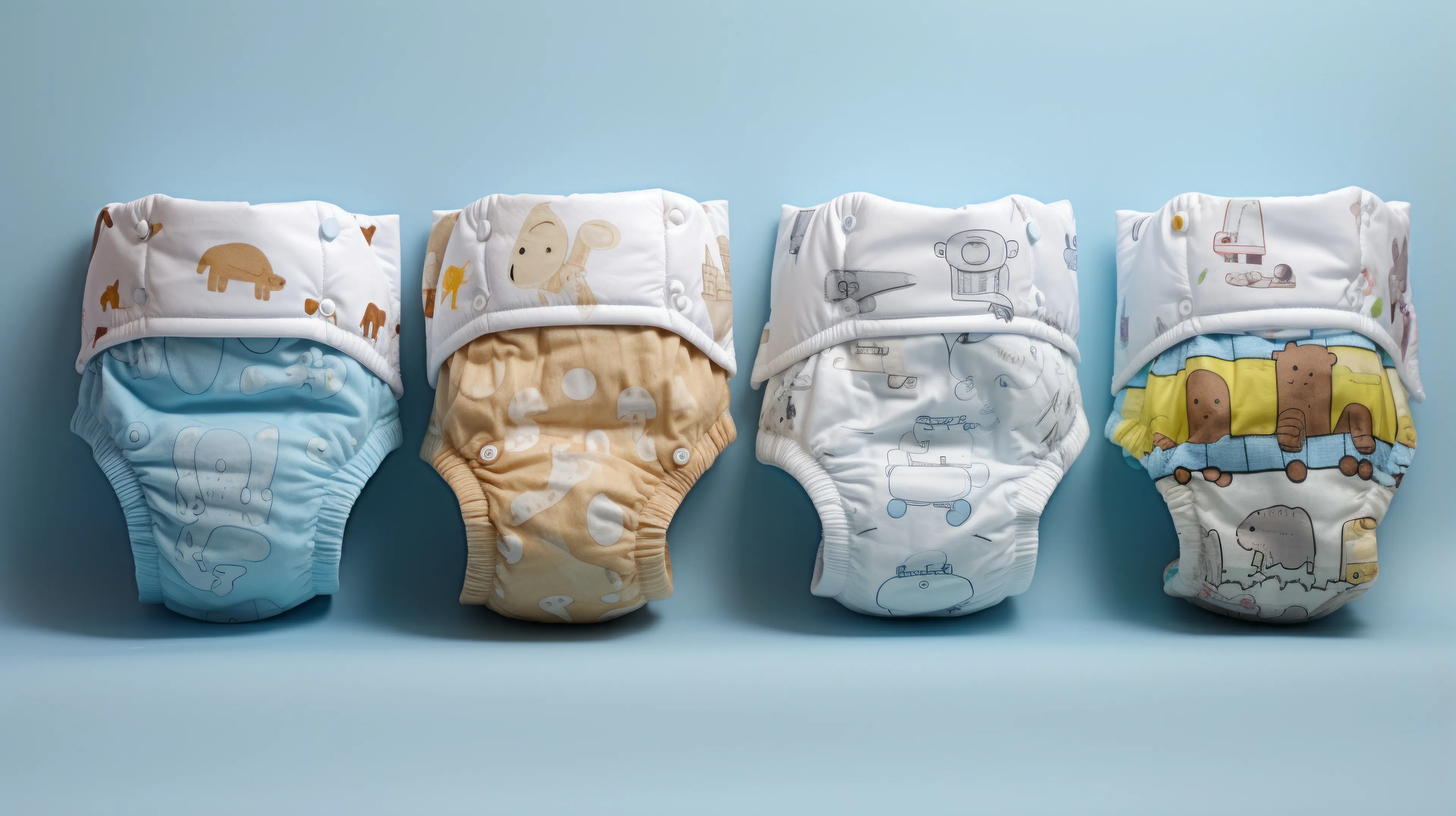
Modern cloth diapers are far removed from traditional folded fabric. Fitted options with snap closures are adjustable and reusable, making them cost-effective over time and more environmentally friendly.

The trade-off is frequent washing, longer drying times, and lower absorbency compared to premium disposables. Many parents combine both: cloth during the day when changes are frequent, disposable at night.

Pants-Style Diapers

These pull up like underwear and generally suit more mobile babies, usually from around 6 months onward. For newborns, they are harder to fit snugly and are not the first choice. Some parents introduce them later for ease during outings.

Deciding between cloth vs disposable diapers for a newborn often comes down to lifestyle. Both options keep a baby clean and comfortable when changed regularly. Neither is objectively superior, and many families use a mix of both.

Signs Your Newborn's Diaper Doesn't Fit

Fit problems show up quickly once you know what to look for. Knowing how to choose a newborn diaper also means recognising when the current size is no longer working.

The diaper may be too small if:

  • Leaks happen repeatedly even though the diaper does not feel fully saturated
  • Red marks or indentations remain on the thighs or abdomen after removal
  • The tabs barely reach the centre of the front panel

The diaper may be too large if:

  • There are visible gaps around the legs or waist when the baby is lying down
  • Stool escapes from the back before the diaper feels full
  • The waistband sits above the navel with no way to fasten it securely

A well-fitting new born diaper should sit just below the navel (or below the cord stump), hug the thighs gently without visible gaps, and have tabs fastened symmetrically in the middle of the front panel.

Preventing and Managing Newborn Diaper Rash

Newborn diaper rash is common and affects most babies at some point in the first year. Prolonged contact between wet or soiled skin and the diaper material is the main cause.

Practical steps to prevent it:

  • Change the diaper every 2 to 3 hours during the day and immediately after every bowel movement, including at night.
  • Clean the area gently with warm water and cotton wool or unscented wipes. Pat dry rather than rubbing.
  • Apply a thin layer of a zinc oxide-based barrier cream at each change to protect the skin from moisture.
  • Give the skin a few minutes of air exposure without a diaper a couple of times a day when practical.

If redness appears, increase barrier cream application and the frequency of changes. Most mild rashes clear within 2 to 3 days with consistent care.

Consult a pediatrician if the rash is bright red, blistered, spreading beyond the diaper area, or is not improving after 3 days of home care. A fungal or bacterial infection may require prescription treatment.

Contraindications and Precautions

Certain situations call for extra care or a change in product choice.

  • Babies with known latex allergy should avoid diapers containing latex elastic. Check the product label and ask your pharmacist if unsure.
  • Fragranced or alcohol-containing wipes and creams should not be used on broken or raw skin. They can worsen irritation and delay healing.
  • If a rash has open sores or signs of infection (oozing, crusting, spreading redness), do not apply over-the-counter barrier creams without a doctor's guidance, as some formulations are not suitable for broken skin.
  • Medicated diaper creams, including antifungal or steroid-based products, should only be used on a pediatrician's advice. Do not self-prescribe.
  • Report adverse events to your healthcare provider or the relevant regulatory authority.

When in doubt, a pediatrician visit is always the right call before trying a new product on a newborn's sensitive skin.

Conclusion

Choosing the right newborn diaper is mainly about finding a balance between fit, skin comfort, absorbency, and your family's daily routine. Disposable, cloth, and later-stage pants-style diapers each have practical uses, and there is no single option that suits every baby. Focus on your baby's current weight rather than age alone, check the fit around the waist and thighs, and look for signs such as leaks, gaps, or persistent red marks that may indicate it is time to change size.

Whatever type of diaper you choose, prompt changes after soiling, gentle cleaning, and keeping the nappy area dry can help reduce irritation and diaper rash. If your newborn develops a persistent or worsening rash, broken skin, blisters, oozing, spreading redness, or significant discomfort, consult a paediatrician rather than repeatedly changing products or using medicated creams without advice. As your baby grows, reassess the diaper size and fit regularly to keep diapering comfortable and practical.
FAQS

How many diapers does a newborn use per day?

Most newborns go through 8 to 12 diapers in a 24-hour period, especially in the first few weeks. Stock up before the baby arrives, but avoid buying too many of one newborn diaper size since babies grow quickly.

What size diaper does a newborn baby wear?

Most newborns fit the "Newborn" or "NB" size, designed for babies weighing roughly 2 kg to 5 kg. Premature or very small babies may need a smaller "micro" or "premature" size available at hospital pharmacies.

Is it OK to use adult-brand diapers for newborns?

No. Adult incontinence products are not designed for the shape, weight, or skin sensitivity of a newborn and will not fit correctly. Always use diapers specifically made for infants.

How often should I change a newborn's diaper?

Change a wet diaper every 2 to 3 hours and a soiled one immediately, regardless of the time of day. Frequent changes are one of the most effective ways to prevent newborn diaper rash.

What causes diaper rash in newborns?

The most common causes are prolonged skin contact with wetness or stool, friction from the diaper material, and occasionally a reaction to fragrances or dyes in the product. Fungal or bacterial infections can also cause rash, particularly if it does not clear with standard barrier cream treatment.

Apollo 247 Floating Action Button