logo
0

Should Diapers Be Used for Newborns? A Parent's Guide

Learn whether newborns can use diapers from birth, how often to change them, prevent diaper rash, and choose between cloth and disposable diapers.

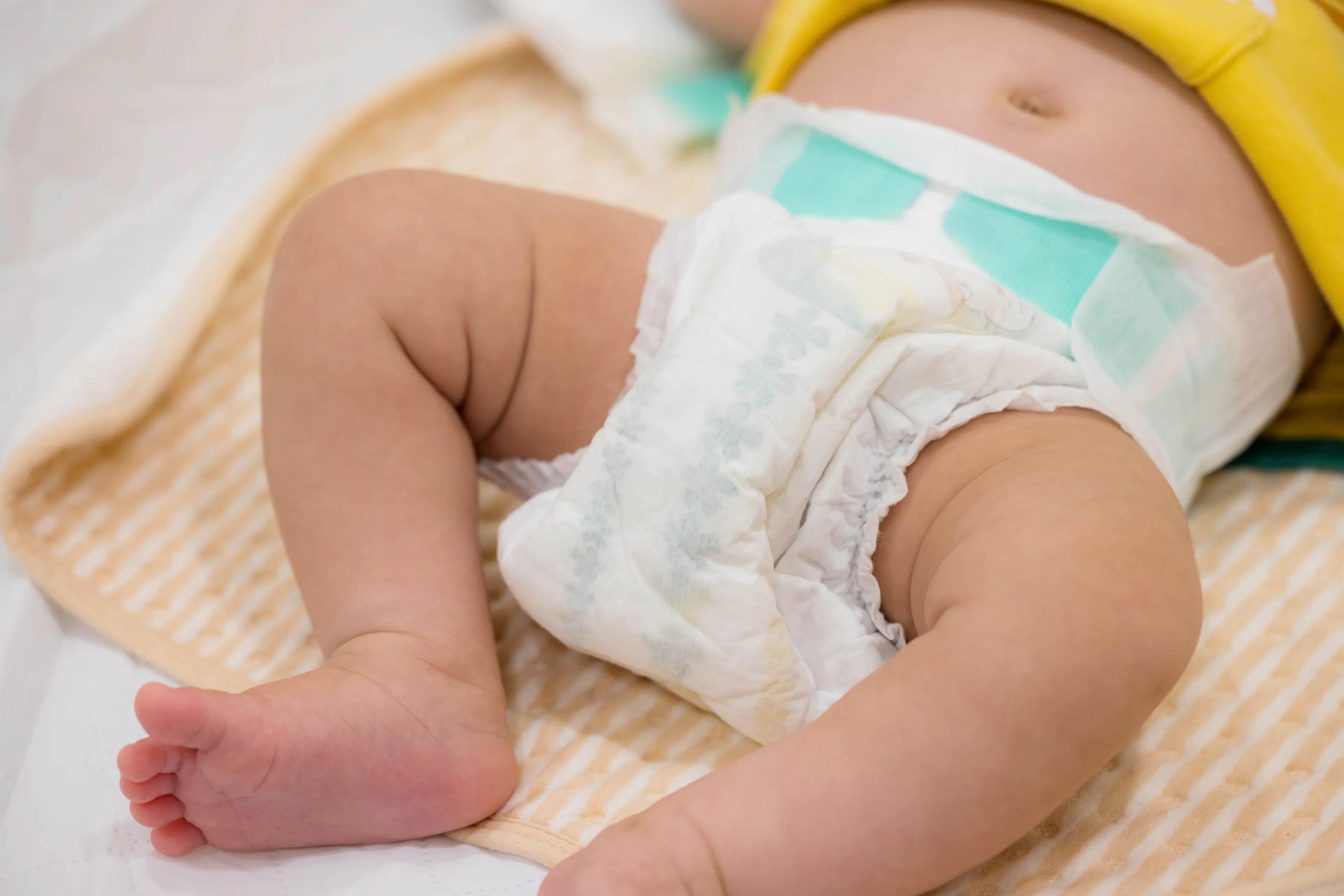
article image

Dr.Kamran

Deciding how to care for a newborn can feel overwhelming, and one of the first practical questions parents face is: should diapers be used for newborns right from birth? The short answer is yes. Diapers are a practical way to manage a newborn's frequent urination and bowel movements. Changing them regularly helps limit prolonged contact with urine and stool and helps prevent skin irritation and diaper rash. Whether you choose cloth or disposable, the key is using them correctly.

Are Diapers Safe and Necessary for Newborns?

Diapers are safe for newborns when used correctly and changed frequently. Newborns urinate frequently and may pass several stools a day, particularly in the early weeks. When to start diapering a newborn is straightforward: day one, right from birth.

When to start diapering a newborn is straightforward: day one, right from birth. There is no medical reason to delay newborn diaper usage. Leaving a baby without a diaper for extended periods exposes the skin to waste, which can cause irritation or infection.

Cloth vs Disposable Diapers: What to Choose

Both types are safe for newborns. Your choice depends on your priorities around cost, convenience, and your baby's skin sensitivity.

Factor    Cloth DiapersDisposable Diapers
AbsorbencyGood; needs more frequent changesHigher absorbency; locks moisture away
CostHigher upfront, lower over timeLower upfront, higher over time
Skin sensitivityBreathable; suits many sensitive babiesSuperabsorbent gels can irritate some babies
EnvironmentReusable; less landfill waste    Single-use; larger environmental footprint
 
ConvenienceRequires washing and storageReady to use; practical when out

For premature or very low-birth-weight babies, the neonatal team will guide you on the most appropriate type. If you notice redness or a rash shortly after switching diaper types, your baby may be reacting to a material or fragrance in that product.

How Often Should You Change a Newborn's Diaper?

Knowing how often to change a newborn's diaper is one of the most practical diapering newborn baby tips you will use every day. A newborn may need around 10 to 12 diaper changes a day, particularly in the early days. Keeping to this range maintains dry skin and sharply reduces the chance of rash.

Signs the diaper needs changing:

  • The diaper feels heavy, or the wetness indicator strip (on most disposables) has changed colour.
  • You can smell or see a soiled diaper.
  • Your baby is unusually fussy without another clear cause.

At night, change a newborn's diaper when it is soiled or when needed to keep the skin clean and dry. A soiled diaper should always be changed promptly regardless of the hour, as stool is more irritating to skin than urine alone.

Preventing Diaper Rash and Skin Irritation

Newborn diaper rash prevention starts with a few consistent habits at every change.

  • Gentle Cleaning: Clean the entire diaper area with warm water or fragrance-free wipes, wiping front to back.
  • Drying: Pat the skin dry before fastening a fresh diaper. Do not rub.
  • Barrier Cream: Apply a thin layer of zinc oxide or petroleum-based barrier cream to help protect the skin.
  • Proper Fit: Make sure the diaper fits comfortably without being too tight or loose.
  • Nappy-Free Time: Allow a few minutes of nappy-free time each day so the skin can dry and air out.

Avoid talcum or baby powder around newborns because inhaling powder can harm the lungs. Fragrance-free products are generally less irritating for newborn skin.

Because the umbilical stump is still healing in the first two to three weeks, fold the front of the diaper down below the stump to avoid friction and moisture build-up. For detailed guidance on how to care for your newborn's belly button while diapering, this resource covers the key steps clearly.

When to Consult a Doctor About Diaper Use

Many mild cases of diaper rash improve with appropriate skin care, but seek medical advice if the rash does not improve or becomes worse. See a paediatrician if:

  • Spreading or Blistering: The rash spreads, blisters, or develops pus-filled spots.
  • Possible Fungal Infection: Bright red patches with small satellite spots around the edges may indicate a Candida (yeast) infection.
  • Fever: Your baby has a fever alongside a rash.
  • Blood: There is blood in the stool or on the diaper.
  • No Improvement: The rash has not improved after 72 hours of home care.

Do not apply antifungal or steroid creams without a doctor's advice. Using the wrong product can worsen the condition rather than resolve it.

Report adverse events, including unexpected skin reactions or product-related concerns, to your healthcare provider or the relevant regulatory authority.

Contraindications and Precautions

There are specific situations where standard diapering practices need to be modified or avoided entirely.

  • Open Wounds or Surgical Sites: Open wounds or surgical sites on the lower body may require a sterile dressing rather than a standard diaper until the site heals.
  • Latex Allergy: Some cloth diaper covers and certain disposable products contain latex components. Choose latex-free products and confirm the choice with your paediatrician.
  • Umbilical Stump: Never cover the stump with the diaper waistband. Use newborn-cut diapers or fold the front panel down to keep the area dry and exposed to air.
  • Severe Skin Allergy: For severe skin allergy to diaper materials, switch types (cloth to disposable or vice versa) and consult a dermatologist if reactions persist.
  • Sensitive or Compromised Skin: Babies with very sensitive or compromised skin conditions require specialist guidance before any diapering product is used.

When in doubt, your child's doctor is the safest source of advice for your individual baby's needs.

Conclusion

Diapers can be used safely for newborns from the first day of life when they are changed regularly and used correctly. Whether you choose cloth or disposable diapers, keeping the baby's skin clean and dry, using a proper fit, and changing soiled diapers promptly can help prevent irritation and diaper rash. If your baby develops a persistent rash, skin reaction, or other concerning symptoms, consult a paediatrician for appropriate advice.

FAQS

Can newborns wear diapers from day one?

Yes, newborns can wear diapers from the first day of life to manage frequent urination and bowel movements.

How do I choose the right diaper size for a newborn?

Newborn diaper size and weight ranges vary by manufacturer, so check the product packaging for the recommended weight range. If red marks appear on the thighs or waist, size up; if the tabs overlap excessively or the diaper gaps at the legs, try a smaller size.

Is it okay to use diapers overnight for newborns?

Yes, overnight diapering is safe and standard practice. Change a soiled diaper promptly at any hour, but a wet-only diaper can usually wait until the baby wakes naturally.

What ingredients in diapers can cause allergies in newborns?

Some babies may develop allergic reactions to ingredients in diapers, wipes, or creams, including dyes, fragrances, or preservatives. If you suspect a reaction, switch to fragrance-free, dye-free, and latex-free options and check with your paediatrician if the rash persists.

How long can a newborn stay in one diaper?

Change a newborn's diaper frequently and as soon as possible after they have wet or soiled it to help protect the skin. Prolonged exposure to moisture increases the risk of diaper rash and skin breakdown.

Apollo 247 Floating Action Button