Newborn fingernails can grow quickly and may be sharp enough to scratch the baby's face. Regular, careful trimming can help reduce accidental scratches.
Choosing the Right Tool
Different tools can be used for newborn nail care, depending on what the parent finds easiest to handle.
- Fine emery board: A soft emery board can be used to gently smooth or shorten the nails, particularly during the early weeks.
- Rounded-tip scissors: Baby nail scissors with rounded tips can help reduce the risk of accidental injury.
- Newborn nail clippers: Baby-specific clippers may be easier to use when the nail extends beyond the fingertip.
The American Academy of Pediatrics recommends using baby nail clippers, baby nail scissors or a soft emery board for newborn nails and advises against biting the baby's nails.
How to Cut Newborn Nails Safely?
Choose a time when the baby is calm or asleep. Hold the baby's finger firmly but gently and carefully trim only the part of the nail that extends beyond the fingertip. A second adult can help hold and steady the baby's hand if needed.
If you accidentally nick the skin, apply gentle pressure with a clean cloth until the bleeding stops. Do not use an antiseptic, antibiotic cream or other medication unless advised by a healthcare professional.
How Often Should You Trim?
Newborn fingernails may need trimming as often as twice a week because they can grow quickly. The American Academy of Pediatrics notes that toenails generally need trimming less frequently than fingernails.
Hair Care Basics
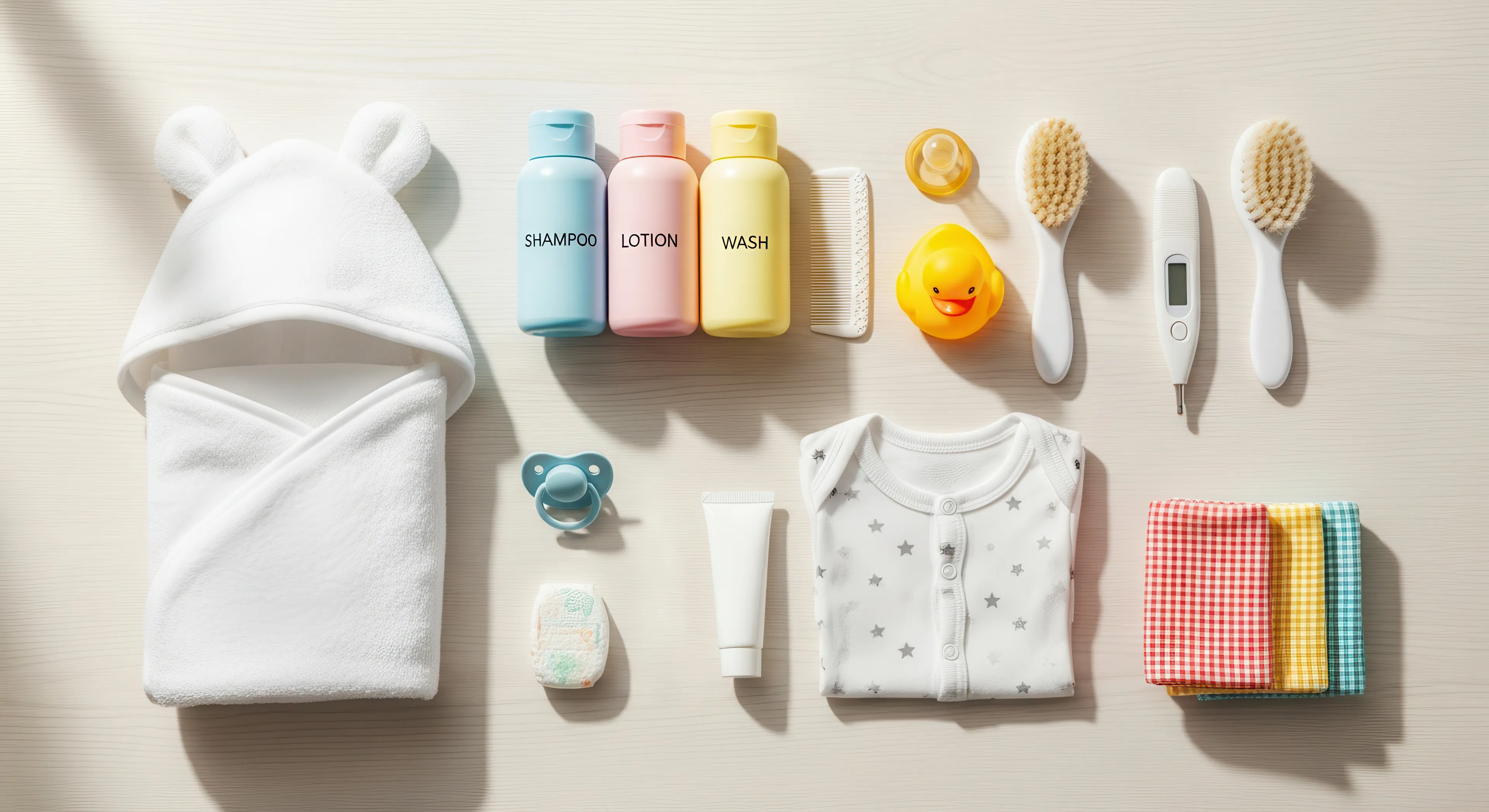
Newborn hair generally needs only simple, gentle care. Use a soft brush or wide-tooth comb and avoid vigorous brushing, particularly if the scalp is dry or irritated.
The American Academy of Pediatrics recommends washing a baby's hair two to three times a week with a mild shampoo or body wash. On other days, rinsing the scalp with warm water may be sufficient.