logo
0

Newborn Grooming Kit: Baby Hygiene Essentials

Discover the ultimate newborn grooming kit guide. Learn essential baby hygiene tools, safe nail trimming, cradle cap care, and paediatrician tips.

article image

Dr. Mayank

Bringing a newborn home is equal parts joy and anxiety, and figuring out which products are truly safe can feel overwhelming. A well-chosen newborn grooming kit is one of the first practical decisions new parents make, because tiny nails scratch, cradle cap appears without warning, and consistent hygiene keeps infections at bay. This guide covers the full baby grooming tools list you need, how to use each item safely, and when something warrants a call to your paediatrician.

What Should a Newborn Grooming Kit Include?

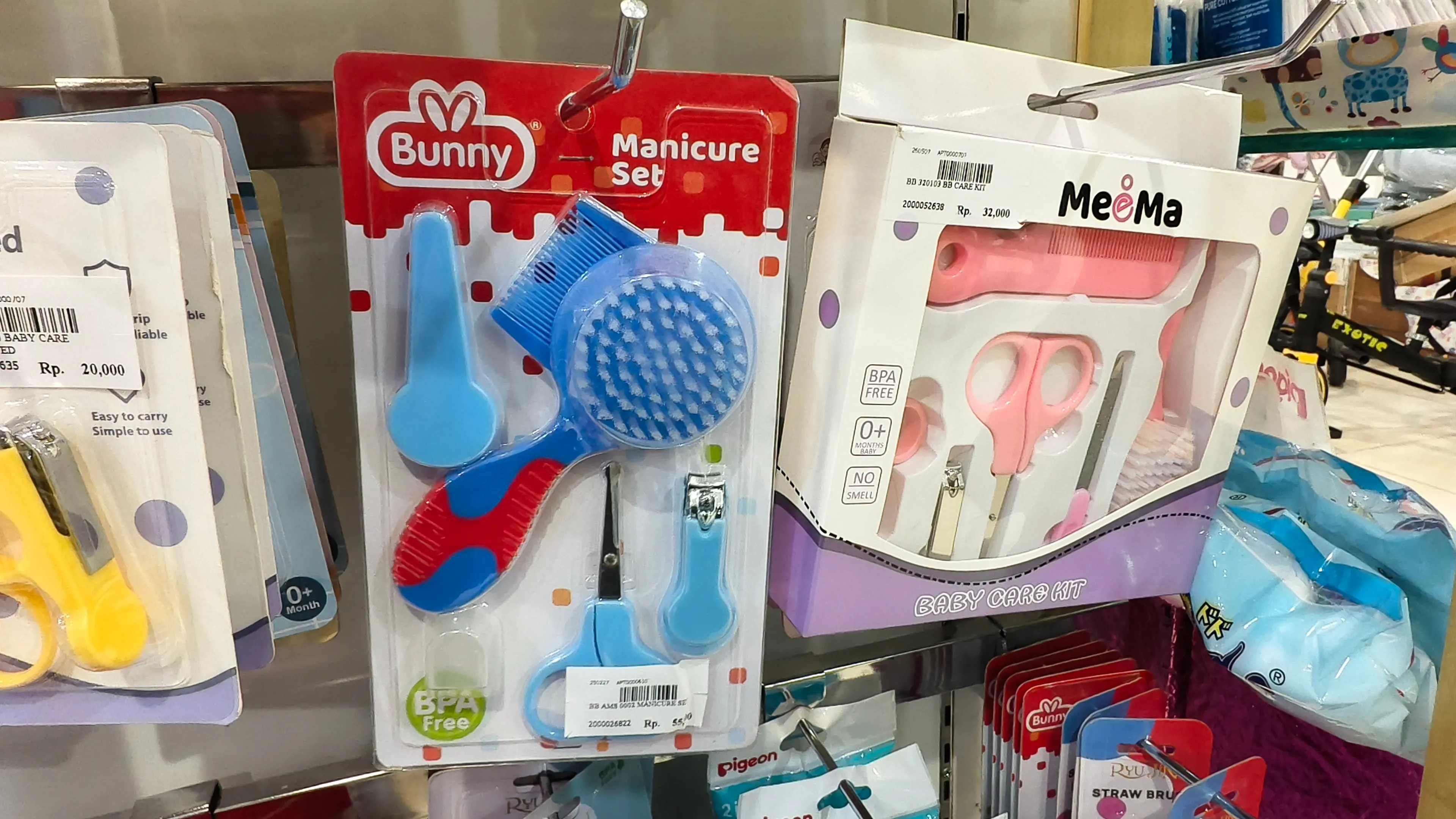
A good kit is compact, purposeful, and free of unnecessary extras. These are the core baby hygiene essentials every parent should have ready before the baby comes home:

  • Blunt-Tip Nail Scissors or Clippers: Dedicated tools designed for safe and precise trimming of tiny newborn nails.
  • Soft-Bristled Hairbrush and Wide-Tooth Comb: Gentle tools for maintaining scalp hygiene and managing newborn hair.
  • Sterile Cotton Swabs: Restricted to adult use only on external areas like outer ear folds and around nostrils.
  • Nasal Aspirator: Bulb or saline-drop type device to safely clear blocked nasal passages during congestion.
  • Newborn-Rated Digital Thermometer: Essential non-negotiable tool for accurate axillary (underarm) temperature monitoring.
  • Fragrance-Free Soap and Infant Sponge: Gentle bathing essentials that protect the delicate newborn skin barrier.
  • Soft Cotton Towel or Muslin Cloth: Breathable, gentle fabrics designed for drying and wrapping delicate infant skin safely.

Most parents find a compact pouch or zip case helpful for keeping these tools together and away from older children. Skip kits that include perfumed talc or medicated creams, which are not routinely recommended for newborn skin.

Nail Care for Newborns: Safe Trimming Practices

Newborn nails grow surprisingly fast. They are paper-thin but sharp enough to cause facial scratches within days of birth. Following sensible baby nail care tips can prevent minor injuries and the infections that sometimes follow them.

How Often Should You Trim?

Plan to trim fingernails roughly once or twice a week, and toenails every two weeks. Nails that curl over the fingertip or are visibly scratching the baby's face are clear signals it is time.

Blunt-Tip Scissors vs. Clippers

Baby nail clipper safety is a genuine concern in the first few weeks when fingers are tiny, and movements are unpredictable.

  • Blunt-Tip Baby Scissors: Provide enhanced control on small, curved nails and are generally considered safer for the first month.
  • Dedicated Baby Clippers: Variants with built-in magnifying lenses are useful with experience, while adult clippers are unsafe and increase the risk of nicking skin.
  • Filing or Gentle Peeling: Preferred methods during the very first week when infant nails are exceptionally soft and pliable.

Safe Trimming Technique

Trim nails after a bath, when they are at their softest. The easiest moment is when the baby is asleep or drowsy after a feed. Hold the finger firmly, press the fingertip pad away from the nail edge, and make small, careful snips following the natural curve. Cut toenails straight across to reduce ingrown-nail risk. Always use good lighting, and whenever possible, have one adult hold the baby still while another does the trimming.

If a small cut occurs, apply gentle pressure with a clean cloth. See our guide on treating minor nail-trimming cuts for first-aid steps you can follow at home.

Hair Care Basics: Brushing and Cradle Cap Management

Newborn Hair Care Routine

Newborn hair care is genuinely simple. Run a soft-bristle brush over the scalp once a day to keep it clean and encourage gentle circulation. A wide-tooth comb works better for longer or thicker hair. Wash the scalp two to three times a week with a mild, tear-free baby shampoo, and rinse thoroughly every time.

Managing Cradle Cap

Cradle cap, the medical term is seborrhoeic dermatitis, appears as yellowish, flaky patches on the scalp of many newborns. It looks alarming but is neither painful nor contagious.

  • Oil Application: Apply a small amount of pure coconut or baby oil and leave for 15 to 20 minutes to soften flakes.
  • Gentle Loosening & Washing: Gently loosen flakes with a soft brush, then wash the scalp with a mild baby shampoo.
  • Avoiding Fingernail Picking: Never pick at the flakes with your fingernails to prevent skin breakage and infection.
  • Natural Resolution: Most cases resolve on their own within a few months without aggressive treatment.

If the patches spread to the face, neck, or nappy area, or look red and weepy, consult your paediatrician before reaching for any medicated shampoo.

Other Essential Hygiene Tools and Their Uses

Rounding out a complete baby grooming tools list means going beyond nail and hair care. Each of the following items plays a specific daily role.

Cotton Swabs

Sterile cotton swabs are part of a solid baby hygiene essentials set, but their use is limited. Clean only the outer ear folds and the skin around the nostrils. Never insert a swab into the ear canal or nostril. The inner ear is self-cleaning, and pushing a swab inward risks injuring delicate tissue.

Nasal Aspirator

A blocked nose disrupts both feeding and sleep. A bulb aspirator or a saline-drop nasal aspirator clears mucus safely. Instill one or two drops of saline first to soften the mucus, wait a few seconds, then gently aspirate one nostril at a time. Rinse the device thoroughly after every use.

Thermometer

A digital thermometer is a non-negotiable part of any newborn bathing kit and broader hygiene set. Axillary (underarm) readings are the standard for home use in young babies. A rectal thermometer gives the most accurate reading but should only be used if your paediatrician recommends it and has demonstrated the correct technique to you.

Soft Sponge

A sponge designed for infants cleans gently without abrading the delicate newborn skin barrier. While your baby's umbilical cord stump is still attached, sponge baths are the only appropriate option to keep the area dry and safe. For detailed guidance during the early weeks, refer to expert resources on proper umbilical cord and belly button care.

When to Consult a Doctor

Grooming is usually uneventful, but certain signs should prompt a call to your paediatrician:

  • Nail Bed Infection (Paronychia): Redness, swelling, warmth, or pus around a nail bed indicating a potential infection.
  • Prolonged Bleeding from Nicks: A trimming cut that fails to stop bleeding within a few minutes of firm, steady pressure.
  • Spreading or Infected Cradle Cap: Cradle cap extending to the face, neck, or nappy area, or showing signs of secondary infection.
  • Persistent Nasal Congestion: Congestion that does not improve with saline drops and aspiration after a day or two.
  • Newborn Fever: Any axillary temperature above 37.5°C in an infant under three months, requiring immediate medical attention.

Contraindications and Safety Precautions

Not all grooming tools or routines are appropriate for every baby.

  • NICU & Premature Infants: Premature infants and babies admitted to neonatal intensive care should have all grooming done only under nursing or medical supervision. Their skin barrier and immune response differ significantly from full-term newborns.
  • Pre-existing Skin Conditions: Babies with skin conditions such as eczema, ichthyosis, or known allergies need a paediatrician's or dermatologist's guidance before any grooming product, including oils and shampoos, is introduced.
  • Medicated Treatments: Never apply medicated creams, antifungal shampoos, or any over-the-counter treatment to a newborn's scalp or skin without explicit advice from your doctor.
  • Prohibited Ingredients: Avoid products containing alcohol, strong fragrances, parabens, or essential oils on newborn skin.
  • Safe Storage & Childproofing: Baby nail clipper safety extends to storage: keep all small tools locked away or in a zipped case where older siblings cannot reach them.

Conclusion

Assembling a thoughtful newborn grooming kit helps you handle everyday care with confidence, from keeping tiny nails trimmed to managing cradle cap and keeping nasal passages clear. By focusing on safe, baby-specific tools, practicing gentle techniques, and knowing when a symptom requires professional attention, you can protect your baby's delicate health. When in doubt about any grooming routine or skin concern, your paediatrician is always your best resource for guidance.

FAQS

What is the best age to start a grooming routine for newborns?

You can begin a simple grooming routine from day one at home, starting with sponge baths, gentle brushing, and nail checks. The routine becomes more structured as the umbilical stump falls off and the baby settles into feeding and sleep patterns, usually within the first two to three weeks.
Can I use adult nail clippers on a newborn?

Adult clippers are too wide for a newborn's tiny nails and significantly raise the risk of cutting surrounding skin. Stick to blunt-tip baby nail scissors or clippers specifically designed for infants until the child is older and the nails are larger.

How often should I bathe and groom my newborn?

Two to three sponge baths a week are enough for most newborns, as daily bathing can dry out delicate skin. Daily grooming tasks, such as checking nails, clearing nasal passages if needed, and gentle brushing, can be done outside of bath time.

Is it safe to use cotton buds in a baby's ears or nose?

Cotton buds should only be used on the outer ear fold and the skin around the nostrils, never inside the canal or nostril. Inserting a swab into either opening risks injury, blockage, or infection.

What should I do if my baby's nail bleeds while trimming?

Apply light, steady pressure with a clean, soft cloth for two to three minutes. Do not use adhesive bandages, as a newborn can choke on them. If bleeding continues beyond five minutes or the area looks infected in the hours that follow, contact your paediatrician promptly.

Apollo 247 Floating Action Button