logo
0

Newborn Oil Massage: A Complete Guide for Parents

Learn the benefits of newborn oil massage, the best oils to use, safe massage techniques, precautions, and when to consult a paediatrician.

article image

Dr. Nallapu Siri

Few things feel as natural and nurturing as a newborn oil massage. This age-old practice, common across Indian households for generations, does far more than soften a baby's skin. Research in neonatal care supports its role in promoting weight gain, improving sleep, and strengthening the bond between parent and child. If you are a new parent wondering where to start, this guide covers the right oils, safe newborn massage techniques, and what to watch out for.

What Is Newborn Oil Massage and Why It Matters?

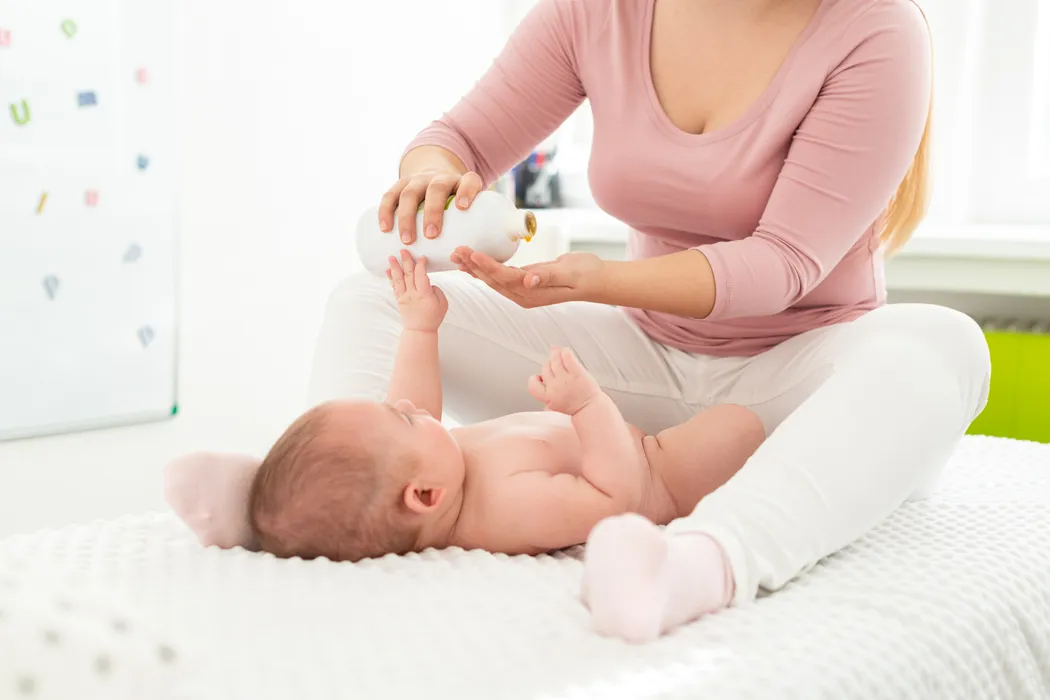
A newborn oil massage involves gently applying warm oil to a baby's skin using slow, rhythmic strokes. In India, this practice has been passed down for centuries, often performed by grandmothers or trained caregivers. Today, pediatric research backs what tradition already knew: regular massage helps newborns thrive.

Massage stimulates the vagus nerve, which activates the digestive system and can trigger the release of growth hormones. For parents, skin-to-skin contact deepens emotional connection and can ease postpartum anxiety. Even short daily sessions make a real difference in how settled and comfortable your baby feels.

Best Oils for Newborn Massage

Choosing the best oil for baby massage matters because a newborn's skin is thinner and more permeable than adult skin. Anything applied can be partially absorbed, so purity and gentleness come first.

  • Coconut oil: Coconut oil is widely recommended. It is light, absorbs readily, has natural antimicrobial properties, and is generally well-tolerated. Coconut oil for baby massage is a safe first choice for most families.
  • Sunflower oil: Sunflower oil is high in linoleic acid, which supports the skin barrier. It is light and suitable for daily use on newborn skin, especially for babies with sensitive skin.
  • Almond oil: Almond oil (sweet almond) is mild and absorbs without a heavy residue. A good option for babies with dry skin.
  • Olive oil: Olive oil is rich in oleic acid. Some research suggests it may disrupt the skin barrier in babies prone to eczema, so use it cautiously if there is a family history of skin conditions.
  • Mustard oil: Mustard oil has been used traditionally across South Asia, but evidence on its safety for newborns is mixed. Its high erucic acid content may be harsh on delicate skin. Discuss this choice with your pediatrician, particularly for infants under one month.
OilBest ForKey Point
Coconut oilMost skin typesAntimicrobial, light texture
Sunflower oilSensitive skinSupports the skin barrier
Almond oilDry skinMild, gentle absorption
Olive oilNormal skinAvoid if eczema risk present
Mustard oilTraditional useConsult pediatrician first

Always choose cold-pressed, unrefined, fragrance-free versions. Avoid oils with synthetic fragrances or added preservatives.

Newborn Massage Techniques: Step-by-Step Guide

Knowing how to massage a newborn baby properly keeps the experience calming rather than overstimulating. Keep the room warm, around 25 to 27 degrees Celsius, lay a soft towel on a flat surface, and warm the oil slightly by rubbing it between your palms before every stroke.

Follow this sequence, which reflects standard newborn massage techniques recommended by pediatric practitioners:

  • Legs and feet first. Newborns are least sensitive here, so starting with the legs helps them adjust. Use long, gentle strokes from thigh to ankle, then circle each foot and gently stretch each toe.
  • Arms and hands. Stroke from shoulder to wrist. Gently open each fist and stroke the palm.
  • Chest and abdomen. Use flat palms in downward strokes across the chest. On the abdomen, use slow clockwise circles, following the direction of digestion to help with gas and discomfort.
  • Back. If the baby is comfortable on their tummy, use long strokes from shoulders to buttocks. Never press directly on the spine.
  • Face. Keep this brief. Use fingertips to trace the forehead, cheeks, and chin. Keep oil away from the eyes and mouth.

A full session lasts 10 to 20 minutes. Read your baby's cues throughout. Fussing, turning away, or arching the back are signals to pause or stop. Relaxed muscles and eye contact mean they are comfortable.

Baby Massage Benefits: Growth and Development

The baby massage benefits seen in clinical settings are well-documented, particularly in preterm infants, and extend to full-term babies too.

  • Supports weight gain: Regular massage stimulates release of insulin-like growth factor and improves nutrient absorption, supporting faster weight gain.
  • May improve sleep: Babies massaged regularly tend to fall asleep faster and stay asleep longer. Touch lowers cortisol and supports melatonin production.
  • Supports neurological and sensory development: Consistent, predictable touch helps a newborn build a mental map of their body and environment, aiding neurological and sensory development.
  • Strengthens parent-baby bonding: Massage gives parents a structured, confidence-building way to connect, and many report feeling more attuned to their baby's moods after regular sessions.
  • May improve circulation and reduce stiffness: Gentle movement of limbs improves circulation and can reduce the muscle stiffness common in newborns who spend much of their day in flexed positions.

Baby Massage Precautions: When to Avoid Massage

Observing proper baby massage precautions is just as important as knowing the right technique. Skip the massage if any of the following apply:

  • Fever or active illness. Massage increases circulation, which can worsen discomfort when a baby is unwell.
  • Skin infections, rashes, or open cuts. Oil applied over broken or infected skin can spread bacteria or irritate the area further. For guidance on treating minor skin cuts during infant care, check with your child's doctor first.
  • Recent vaccination. Avoid massaging the injection site for at least 24 to 48 hours after vaccination. The area can be tender and inflamed.
  • Umbilical cord not yet healed. The cord stump must be fully dry and detached before you massage the abdomen. Read more about caring for the umbilical cord before starting massage to know when it is safe to begin.
  • Jaundice under treatment. Check with your doctor before massaging a baby receiving phototherapy or other jaundice management.
  • Premature infants. Preterm babies can benefit from massage, but technique and timing must be guided by a neonatologist, not attempted without specialist advice.

Safety Tips and When to Consult a Doctor

A few practical steps keep newborn oil massage safe and comfortable:

  • Do a patch test: Do a patch test on a small area of skin 24 hours before the first full massage. Watch for redness, hives, or swelling, which may signal an oil sensitivity.
  • Watch for allergic reactions: Signs of an allergic reaction include skin redness, rash, hives, or unusual fussiness after application. Stop the oil immediately and consult your pediatrician.
  • Keep oil away from sensitive areas: Keep oil away from the baby's eyes, mouth, and nasal passages.
  • Never leave the baby unattended: Never leave a baby unattended on a raised surface during massage.
  • Ask your pediatrician when needed: Ask your pediatrician before starting massage if your baby has a known skin condition, was born premature, or has any ongoing medical concern.

Conclusion

Newborn oil massage can be a gentle way to support skin care, relaxation, and parent-baby bonding when performed safely. Choose a simple, fragrance-free oil that your baby tolerates, and use gentle strokes without applying pressure. A short session of around 10–20 minutes is generally sufficient, with massage stopped if your baby becomes uncomfortable. Avoid massage over broken or infected skin, an unhealed umbilical cord, or during illness, and seek medical guidance for premature babies or infants with medical or skin conditions. A patch test before introducing a new oil can also help identify sensitivity.

FAQS

How often should a newborn get an oil massage?

Once a day is typical for most healthy newborns, usually in the morning or before the evening bath. Follow your baby's cues: if they seem overstimulated or unsettled after massage, try every other day instead.

Can I use baby oil on a newborn's face?

Yes, with care. Use only a tiny amount on the fingertips and avoid the eye area and mouth. Many parents skip the face entirely in the early weeks, which is also perfectly fine.
What is the right room temperature for an oil massage?

A room between 25 and 28 degrees Celsius is comfortable for a baby without clothing. If the room is cool, dress the baby from the waist down while you massage the upper body, then swap.

Can oil massage help with colic?

Clockwise abdominal massage may help move trapped gas and ease mild colic discomfort in some babies. It is not a cure, but many parents find it provides some relief alongside other colic management strategies.

Is it safe to massage a premature baby?

Preterm infants can benefit significantly from touch-based care, including massage, but the approach must be guided by a neonatologist or trained neonatal nurse. Do not attempt unsupported massage techniques on a premature baby without specialist input.

Apollo 247 Floating Action Button